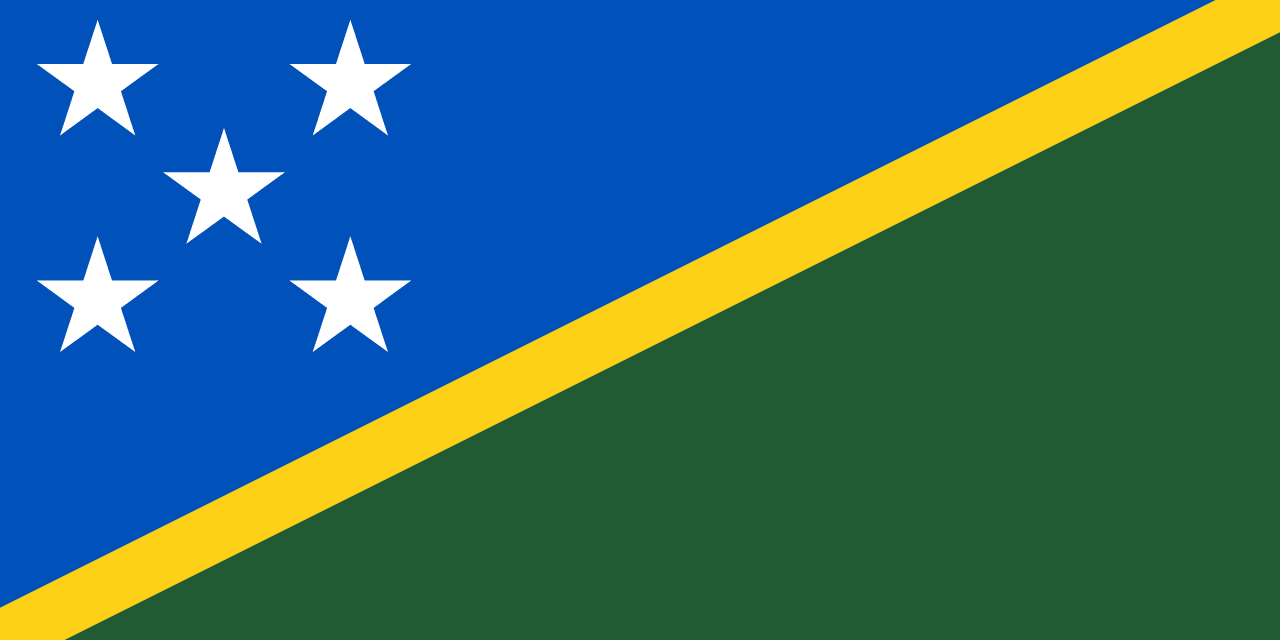
Living in the Solomon Islands is like stepping into an enchanting world where the echo of the sea collides with the vibrant pulse of daily life. As someone who has spent a significant amount of time here, I can attest that the experience is both extraordinary and nuanced. The Solomon Islands comprises nearly 1,000 islands, with a rich tapestry of cultures and traditions that set it apart from the bustling urban environments many might be accustomed to. From the moment you wake up to the sounds of roosters crowing and birds singing, you’ll discover that this life is a beautiful blend of simplicity and complexity.
Daily life in the Solomon Islands varies from island to island, but a typical morning for many starts early. As the sun rises, which, trust me, is a sight you don’t want to miss, the air fills with the scent of breakfast. Families often gather for their first meal of the day, typically consisting of a hearty bowl of porridge, fresh fruits like bananas and papayas, or sometimes fried bread and fish. You can find fresh, locally sourced ingredients at the market, where the prices are unbelievably low. A bunch of bananas might cost around 2 SBD (Solomon Islands Dollar), which is equivalent to roughly 25 US cents. The markets are lively and colorful, filled with the sounds of negotiation, laughter, and the vibrant chatter of locals in Pijin, the widely spoken language that mixes English with local dialects.
Living here, you’ll quickly learn a handful of Pijin phrases that help you engage with the community. A simple greeting like "Ola!" (hello) or "Yu orait?" (Are you okay?) can open many doors. The warmth of the people is palpable, and that personal touch makes even the simplest of exchanges memorable.
When it comes to the cost of living, Solomon Islands can be quite affordable, but it does depend on your lifestyle choices. While basic staples are cheap, imported goods can be more expensive due to transportation costs and taxes. For example, a loaf of bread might set you back around 10 SBD (about $1.25 USD), while local favorites like cassava and taro are plentiful and cheap, often costing just a few SBD. The overall cost of living is generally lower than many Western countries, but you may want to budget a bit more for imported items and luxuries like fresh dairy or high-quality meats.
Food culture is another magical aspect of life in the Solomon Islands. The cuisine is a delightful mix of fresh seafood, tropical fruits, and root vegetables. Grilled fish accompanied by rice and a side of greens like local spinach or the ubiquitous taro leaves is a staple meal. The locals also have a penchant for coconut in their dishes, whether it’s coconut milk in a stew or fresh grated coconut sprinkled on desserts.
Sunday is a special day for many people, and it often revolves around church. Attending service is a communal affair with everyone dressed in their finest attire, and music fills the air. The harmonies from the local choirs are breathtaking, and it’s not uncommon to hear gospel songs sung in Pijin. After church, families gather for a lavish meal, often involving roasted meats, sweet potatoes, and salads made from fresh vegetables, all shared together in a spirit of camaraderie.
As for social customs, respect for elders is paramount. You will often hear children and young adults calling older individuals "Aunty" or "Uncle," even if they aren’t related. This familial structure extends into the wider community, where everyone knows each other and looks out for one another. If you’re lucky enough to be invited to a local home, you might be treated to kava, a traditional beverage made from the root of the kava plant. It’s a social drink, served in a communal bowl, and is an essential part of many gatherings.
Family life in the Solomon Islands is closely knit, with extended families often living together or nearby. It’s not unusual to see three generations cohabiting, sharing responsibilities, and taking care of the children together. Children are highly regarded, and their upbringing is a community effort. They are raised with a sense of responsibility and respect, encouraged to contribute to family chores from a young age.
Work culture reflects the local rhythm of life. Many jobs are tied to agriculture, fishing, or tourism, especially in more populated areas like Honiara, the capital. However, formal job opportunities can be limited, leading some residents to become self-employed or engage in trade. Many locals navigate their days with a casual yet committed attitude toward work, often balancing multiple roles as farmers, artisans, and entrepreneurs. The pace of life is slower here, which can be refreshing but may take some adjustment for newcomers.
Weekends are often a time for community gatherings, beach outings, or family get-togethers. It’s not uncommon to see groups of people enjoying picnics by the shore, playing games, or dancing to local music. The islands’ natural beauty lends itself wonderfully to outdoor activities. You might find yourself hiking up stunning mountains, exploring hidden waterfalls, or snorkeling in crystal-clear waters. The Solomon Islands are renowned for their biodiversity, and it’s a paradise for nature lovers.
The weather here significantly shapes everyday life. The climate is tropical, with warm temperatures year-round, usually ranging from 25 to 32 degrees Celsius (77 to 90 degrees Fahrenheit). There are two main seasons: the dry season from May to October and the wet season from November to April. During the wet season, heavy rains are common, and the humidity can be overwhelming. However, the rain also brings the islands to life, making the landscapes lush and vibrant. Many locals embrace the wet weather, seeing it as an essential part of life that nourishes the land.
However, living in the Solomon Islands isn’t without its challenges. Infrastructure can be underdeveloped, making transportation a test of patience. Roads may be poorly maintained, and public transport can be sparse. The electricity supply can also be intermittent, and while many households have generators, power outages can occur, especially during storms. Access to healthcare services can be limited, particularly in rural areas, where facilities may be few and far between.
Despite these challenges, the positives of living here are abundant. The sense of community, the beauty of the islands, and the rich culture create a fulfilling lifestyle. Locals are remarkably resilient, often finding joy in the simplest of things, whether it’s a shared meal, a gathering of friends, or a stunning sunset over the Pacific.
One of the most surprising aspects for foreigners is the level of warmth and hospitality extended to newcomers. People may invite you into their homes with little hesitation; sharing food and stories is a way of life. You’ll find that the Solomon Islands foster a genuine sense of belonging, where even if you’re far from home, you can quickly feel like part of the community.
In conclusion, living in the Solomon Islands is a journey that transcends the ordinary. It’s about embracing a lifestyle that prioritizes relationships over material wealth, where the beauty of nature surrounds you, and every day brings a new adventure. There’s a rhythm to life here that can be jarring at first, but once you find your groove, you’ll discover a place that is as rich in culture as it is in heart. Whether it's the laughter of children playing, the aroma of fresh fish grilling by the beach, or the picturesque sunsets that paint the sky, every moment spent in the Solomon Islands is a treasure waiting to be uncovered.