South Sudan: The World's Newest Country and Its Ancient Nile Cultures
🌐 Translate:
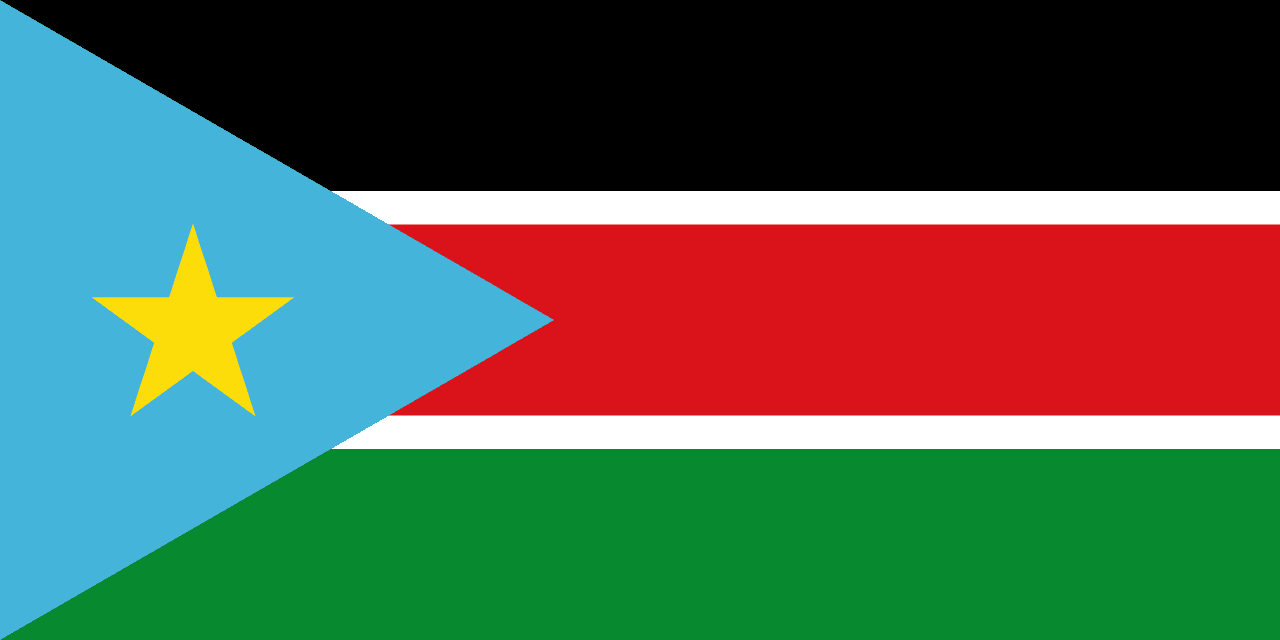
South Sudan became the world's newest internationally recognised country on July 9, 2011, following a referendum in which 98.83 percent of voters chose independence from Sudan after decades of civil war. The jubilation that greeted independence — after a conflict that killed approximately two million people — was genuine and overwhelming. The country began with enormous challenges: little infrastructure, minimal government institutions, ethnic divisions, and oil revenues flowing through Sudan's pipelines giving Khartoum leverage over the new state's finances.
The Dinka and Nuer peoples — the two largest ethnic groups in South Sudan — have cattle-keeping cultures of extraordinary depth and complexity. For the Dinka, cattle are not simply economic assets. They are identity: each person has a favourite ox whose colour determines their identity name. Cattle are the currency of marriage negotiations, the medium of social bonds, the subject of poetry and song. The Dinka's vast wetland homeland — the Sudd — is one of the world's largest freshwater ecosystems, covering up to 130,000 square kilometres during flood season.
The Nilotic cultures of South Sudan — Dinka, Nuer, Acholi, Lotuko — produced one of Africa's great traditions of cattle herding, oral history, and material culture. The elaborate scarification patterns, the towering heights of many South Sudanese men (the result of genetics and a cattle-milk diet), and the complex social organisation of cattle camp life represent a way of being in the world that has survived civil war, displacement, and the disruptions of modernity. It persists because it works.