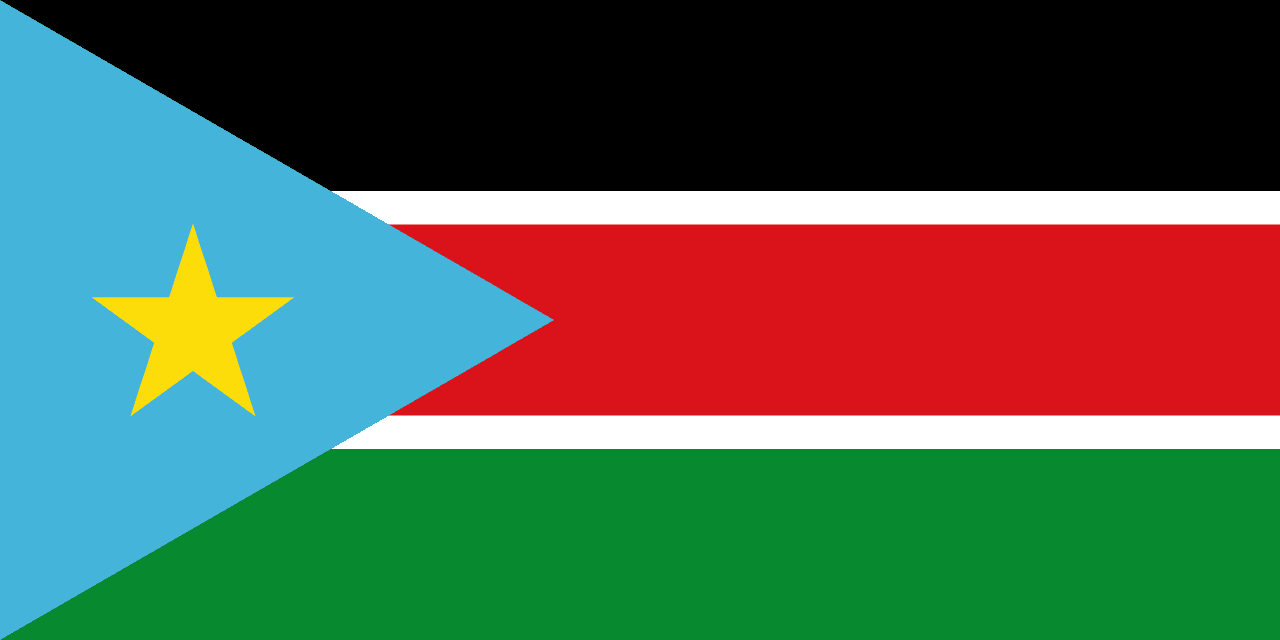
The History of South Sudan: From Ancient Times to Today
🌐 Translate:
# The History of South Sudan: From Ancient Times to Today
Nestled in the heart of East Africa, South Sudan is a nation with a rich tapestry woven from centuries of indigenous cultures, powerful kingdoms, colonial struggles, and a relentless quest for independence. Its story is one of resilience and hope, punctuated by the struggles of its people and their unyielding spirit. To understand South Sudan today, we must journey through its past, exploring the eras that have shaped this young nation.
## Ancient and Indigenous History
Long before the borders of modern nations were drawn, the land that is now South Sudan was home to diverse Indigenous communities. The Nilotic peoples, including the Dinka, Nuer, and Shilluk, thrived in the region, developing intricate social structures and rich oral traditions. As cattle herders, these groups revered their livestock, which were not merely animals but symbols of wealth, cultural identity, and social status. The Dinka, in particular, have a deep connection to their cattle, often weaving them into their songs, stories, and rituals.
Archaeological discoveries suggest that the area was inhabited as far back as 3000 BC. The tombs in sites like Jebel Mukluq indicate that these early societies engaged in trade, agriculture, and complex spiritual practices. The belief systems of these ancient communities revolved around nature and ancestral spirits, laying the groundwork for the rich cultural heritage that continues to thrive today. Each tribe had its own customs, languages, and belief systems, illustrating a profound connection to their environment.
## The Kingdoms and Empires
As time flowed on, significant empires began to emerge in South Sudan's history. Among the most notable was the Kingdom of Kush, which flourished from around 1070 BC to 350 AD along the Nile River. The Kushites are often recognized for their impressive pyramids and their conquests of Egypt, where they ruled as Pharaohs during the 25th Dynasty. This era marked a golden age for the region, with advancements in architecture, trade, and the arts.
The Kingdom of Alodia followed, lasting from the 6th century until the 16th century. Situated in what is now South Sudan, it was known for its trade networks that stretched across the region, connecting to Egypt and beyond. Alodia was predominantly Christian and is a testament to the cultural exchanges that took place along the Nile corridor. The kingdom's capital, Soba, became a bustling center of commerce and religion.
These ancient kingdoms, with their complex hierarchies and cultural exchanges, contributed significantly to the identity of modern South Sudan. The oral histories of the Dinka and Nuer, among other tribes, preserve the legacies of these kingdoms, celebrating their heroes and the battles that shaped their destinies.
## Colonial Encounters
The arrival of European powers in the late 19th century marked a dramatic turn in South Sudan's history. The region fell under the umbrella of broader colonial ambitions in Africa, particularly by the British and the Egyptians. In 1899, the British and Egyptians established a joint rule over Sudan, which included South Sudan. This colonial period brought with it a new set of challenges and changes.
The British sought to impose their governance structure and introduced western education, which was often limited to certain communities. This was also a time of significant economic exploitation, as the British prioritized resource extraction over the welfare of the local populations. The division of Sudan into northern and southern regions, with the north predominantly Muslim and the south largely Christian and animist, laid the groundwork for future strife.
The imposition of foreign rule led to cultural disintegration and the erosion of traditional authority. The resentment brewed among the Southern Sudanese, who felt marginalized and neglected. This discontent would eventually give rise to a movement for greater autonomy and rights, setting the stage for the conflicts that would later erupt.
## The Road to Independence
The mid-20th century was a period of significant upheaval and transformation for South Sudan. As World War II ended, calls for independence surged across Africa. In Sudan, the struggle for self-determination intensified, fueled by dissatisfaction with colonial rule and regional disparities. In 1955, just two years before Sudan's independence from British-Egyptian rule, the first civil war erupted in South Sudan.
This conflict was sparked by a combination of factors, including ethnic tensions, political marginalization, and a desire for greater autonomy. It pitted the predominantly Muslim north against the Christian south, revealing deep-seated divisions that would haunt the nation for decades. The civil war lasted until 1972, ending with the Addis Ababa Agreement, which granted the South a degree of self-rule. However, peace was short-lived.
In 1983, the Sudanese government, under President Jaafar Nimeiry, abrogated the agreement, triggering the second civil war. This conflict, lasting until 2005, was marked by brutal violence, widespread displacement, and immense suffering. Key figures emerged during this struggle, notably John Garang, the leader of the Sudan People's Liberation Army (SPLA). His vision of a united, democratic Sudan resonated with many, but the diverse ethnic and cultural identities of the South made unity a complex challenge.
Following years of negotiation, the Comprehensive Peace Agreement (CPA) was signed in 2005, paving the way for a referendum on independence. On January 9, 2011, an overwhelming 98.83% of South Sudanese voters chose independence, leading to the birth of the world's newest nation on July 9, 2011.
## A Nation Born
The establishment of South Sudan was a moment of jubilation and hope, but it was also the beginning of a tumultuous journey. The young nation faced monumental challenges, including the need to build a functioning government, establish infrastructure, and foster economic development. The scars of years of conflict were still fresh, and the divisions that had fueled the civil wars remained.
Salva Kiir, the country's first president, faced the daunting task of nation-building. However, tensions within the ruling party, the Sudan People’s Liberation Movement (SPLM), soon escalated into a power struggle. In December 2013, violence erupted in Juba, the capital, sparking a brutal civil war that pitted Kiir's forces against those loyal to his former deputy, Riek Machar. Ethnic tensions flared, leading to widespread atrocities, displacement, and a humanitarian crisis that affected millions.
The international community responded with calls for peace and reconciliation, but the path to stability proved elusive. Despite a peace agreement signed in 2015, fighting continued, reflecting deep-seated grievances and a lack of trust among various factions. The situation was exacerbated by economic challenges, with oil, the country’s primary revenue source, becoming a double-edged sword.
## South Sudan Today
As of 2023, South Sudan stands at a crossroads. The country is rich in natural resources, particularly oil, which presents both opportunity and challenge. However, the ongoing conflict, coupled with economic mismanagement and corruption, has hindered development and left millions in poverty. Humanitarian organizations continue to provide critical support, with food insecurity and displacement remaining persistent issues.
Despite these challenges, there are glimmers of hope. Grassroots movements are emerging, advocating for peace, unity, and development. Women, in particular, are playing increasingly vital roles in peace processes and community rebuilding efforts. The re-engagement of the international community and regional partners also holds promise for renewed dialogue and support for sustainable development.
South Sudan’s history is a testament to the strength of its people. As they navigate their path forward, the stories of ancient kingdoms, colonial struggles, and the fight for independence continue to resonate. The future of South Sudan will depend on the ability of its leaders and citizens to confront their past, heal divisions, and build a nation founded on inclusivity and resilience.
In this young country, where the echoes of ancient traditions meet the aspirations of a modern state, the journey is far from over. The resilience of the South Sudanese people, their rich cultural heritage, and their dreams for a brighter future will continue to shape the narrative of this extraordinary nation.