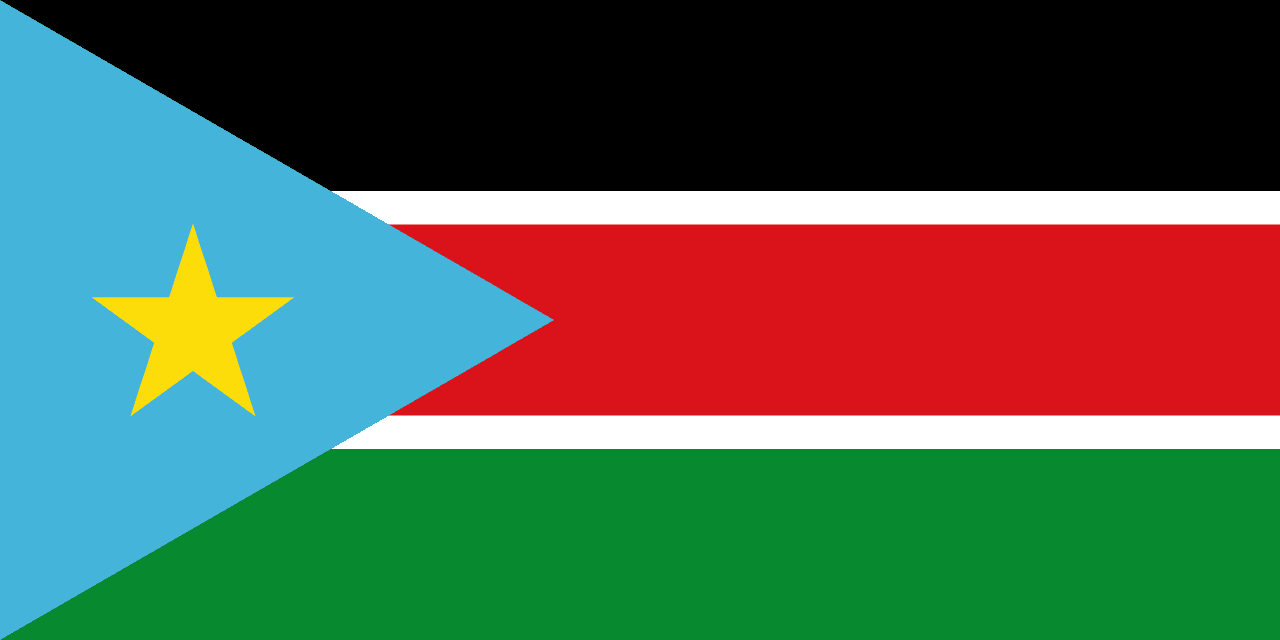
South Sudan, the world’s youngest nation, is a place where everyday life is woven with resilience, vibrancy, and an enduring sense of community. Living here, one quickly learns that life is not just about the challenges that come with the territory, but also about the joy found in simplicity, the warmth of human connection, and the rich cultural tapestry that defines the nation. As someone who has experienced daily life in South Sudan, I’d like to take you on a journey through the heart of this remarkable country.
When the sun rises over Juba, the capital city, the warmth envelops everything, signaling the start of another day. The early morning hours are filled with the sounds of roosters crowing and vendors setting up their stalls in the bustling markets. This is the time when the city begins to awaken, and for many, it starts with a cup of strong, sweetened tea or coffee, often enjoyed with a small piece of bread or a local delicacy known as ‘fatta’, which is essentially a flatbread. In a café along Juba Bridge, you might hear locals greet each other with “Nyo! Nyo!” which means “How are you?” in Juba Arabic, a unique blend of Arabic and local languages that exemplifies the country’s diversity.
Daily life in South Sudan is marked by a blend of tradition and modernity. In urban centers like Juba, life can seem fast-paced, yet it retains its roots in community and tradition. The cost of living in South Sudan can be quite challenging, especially given the ongoing economic fluctuations. Basic necessities such as rice, sugar, and cooking oil can be relatively expensive—prices for a kilogram of rice can hover around 100 South Sudanese pounds (approximately $0.75), while a liter of cooking oil might cost around 300 pounds ($2.25). Fresh produce, however, can often be found at lower prices, especially if purchased directly from local farmers. This reflects an interesting part of life here; while some goods are costly due to import reliance, the proximity to agriculture means that fruits and vegetables are often fresh and affordable.
Food culture in South Sudan is an integral part of its social fabric. The traditional meal typically consists of sorghum or maize porridge, served with various sauces made from leafy greens, beans, or meat. One of the most popular dishes is ‘asida’, a thick porridge made from sorghum flour, often accompanied by a spicy sauce made from groundnuts or various meats. Eating together is a cherished tradition; meals are often shared, and it is common for families and friends to gather around a communal bowl. The act of sharing food is seen as a way to strengthen bonds and foster community.
Social customs play a significant role in shaping everyday interactions. Hospitality is paramount; visitors are often offered food and drink as a gesture of goodwill. When entering someone’s home, it is customary to greet everyone present with a handshake, and it’s advised to always greet the eldest first. Family is the cornerstone of society in South Sudan, and extended families often live together or in close proximity. Children are raised with a strong sense of community, where responsibility is shared among relatives, and elders are respected as the keepers of tradition and wisdom.
Work culture in South Sudan is evolving, shaped by the country’s young population and the pressing need for development. Many locals are involved in agriculture or small-scale trade. In Juba, shops and markets buzz with activity, showcasing a blend of informal and formal business practices. A common sight is the “kitchen ladies”—women setting up stalls selling grilled meat or fried snacks, often attracting crowds during lunch hours. The workday typically begins at dawn and can extend into the late evening, reflecting the dual demands of sustaining livelihoods and managing household duties.
Weekends in South Sudan offer a much-needed respite from the week’s grind. For many, it’s a time for family gatherings, community events, or simply relaxing in the shade of a tree. The local soccer field often comes alive with matches, as football is a beloved pastime, bringing together players and spectators alike. Children play with makeshift balls, while adults gather to watch and cheer passionately for their favorite teams. Others may head to the Nile River for picnics or fishing, enjoying the cool waters and the stunning scenery. Traditional music and dance are also prevalent during weekends, with people coming together to celebrate life, love, and community.
The weather in South Sudan has a monumental influence on daily life. The country experiences a tropical climate with a distinct wet and dry season. The dry season, from November to April, brings scorching temperatures, sometimes reaching over 40 degrees Celsius (104 degrees Fahrenheit). This heat shapes the rhythm of life, with many opting to work during the cooler hours of the morning and evening. Conversely, the rainy season from May to October can bring heavy downpours, which can disrupt transportation and daily activities but also rejuvenate the landscape, making it lush and vibrant. The changing weather patterns underscore the connection between the land and its people, dictating agricultural practices and daily routines.
Living in South Sudan is not without its challenges. The aftermath of years of conflict has left its mark on the nation, with infrastructure often lagging behind the needs of the population. Power outages are common, and water supply can be inconsistent. The healthcare system is still developing, with limited access to facilities in rural areas. Security concerns can also be prevalent, making life unpredictable at times. However, amidst these challenges, there is an undeniable spirit of resilience and determination among the people. Many locals are committed to rebuilding their communities and fostering a sense of hope for future generations.
Despite the difficulties, there are also many positives to living in South Sudan. The sense of community is incredibly strong, and people often come together to support one another. There is a palpable sense of unity, especially during traditional celebrations or communal gatherings. The warmth and hospitality of the people can make even the most foreign of visitors feel at home. Moreover, South Sudan is rich in natural resources, with vast stretches of untapped agricultural land, which presents enormous potential for development and growth.
What often surprises foreigners the most about life in South Sudan is the sense of joy and laughter that permeates daily life. In conversations, you might hear locals say, “No stress,” a phrase that embodies a resilience and ability to find joy even in the face of adversity. The humor and camaraderie among friends and family reflect a deep appreciation for life’s small pleasures. You can find laughter in everyday moments—whether it’s a child playing in the street, friends sharing a meal, or families dancing together during celebrations.
In conclusion, living in South Sudan offers a unique perspective on resilience, community, and the richness of human experience. It’s a place where the simplicity of life intertwines with cultural depth, where challenges are met with laughter and support. While it may not be without its struggles, the stories of hope and the warmth of its people make South Sudan a remarkable home. Each day brings new experiences, revealing the beauty of a nation still finding its way but filled with potential and a bright spirit. Through the laughter, shared meals, and unwavering connections, life in South Sudan is a testament to the strength of the human spirit and the enduring power of community.