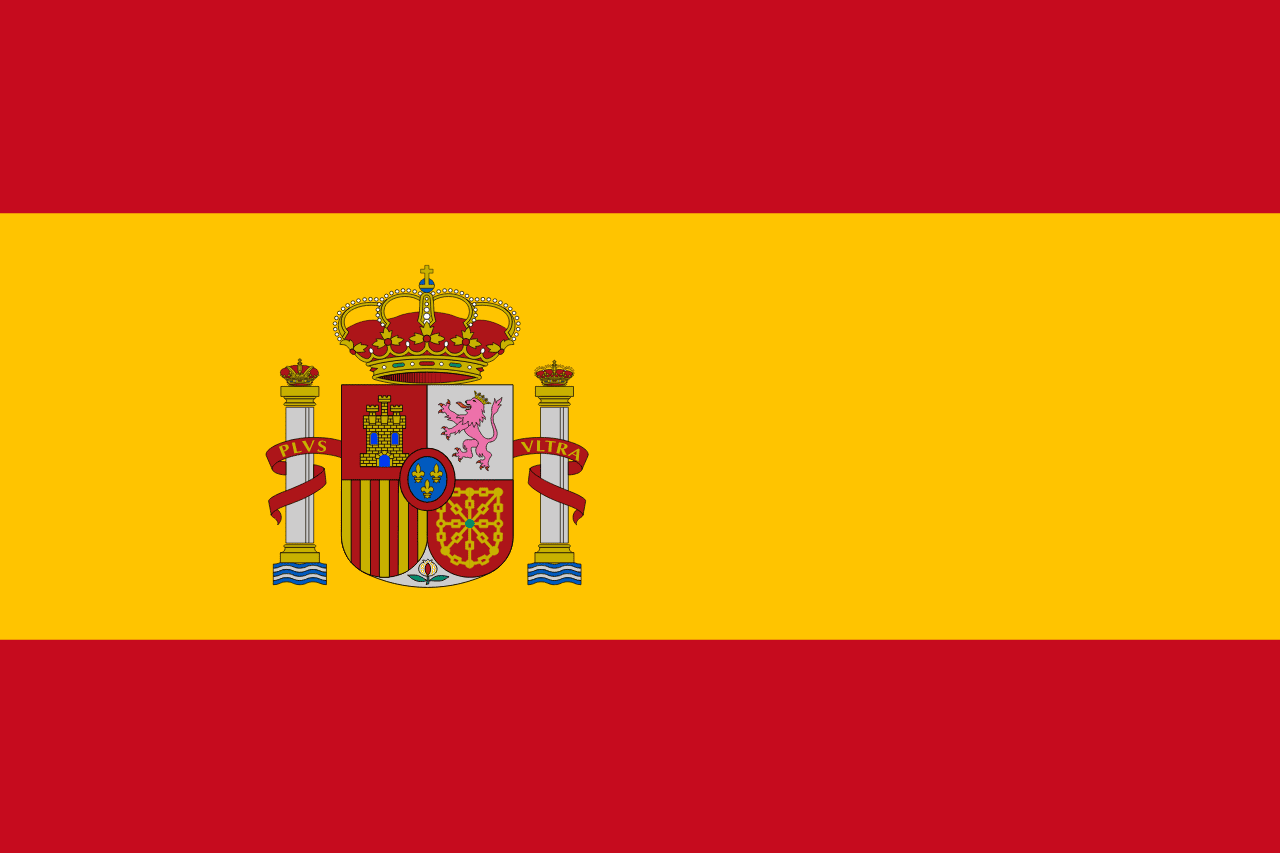
Spain: Siesta, Flamenco and the Culture That Puts Life Before Work
🌐 Translate:
The Spanish siesta — the afternoon rest period that closes shops and offices — is disappearing from major cities and still very much present in smaller towns and rural areas. Its logic is both climatic and social: the hours between 2 and 5 in the afternoon in July and August are genuinely hostile to outdoor activity in southern Spain, and a culture that organises dinner at 10 PM, stays out until 2 AM, and does not see anything wrong with this, requires a structural accommodation for human physiology that a northern European work schedule never has to make.
Flamenco is not a folk dance in the casual sense. It is a performance tradition of extraordinary technical depth — the interaction of cante (song), baile (dance), and toque (guitar playing) — developed by Romani communities in Andalusia over several centuries and incorporating Moorish, Jewish, and Andalusian elements into something that could only have emerged from that specific cultural encounter. A serious flamenco performance creates a state called duende — an untranslatable quality of dark, raw emotional truth — that the great poet Lorca described as a power not a work, a struggle not a thought.
Spain contains five languages with official status in their respective regions — Spanish, Catalan, Galician, Basque, and Occitan — and the regional identities attached to these languages are serious political forces. Catalonia's independence movement and the Basque Country's distinct cultural identity are not peripheral concerns. They are central to what Spain is: a country that has spent centuries negotiating the difference between unity and uniformity.