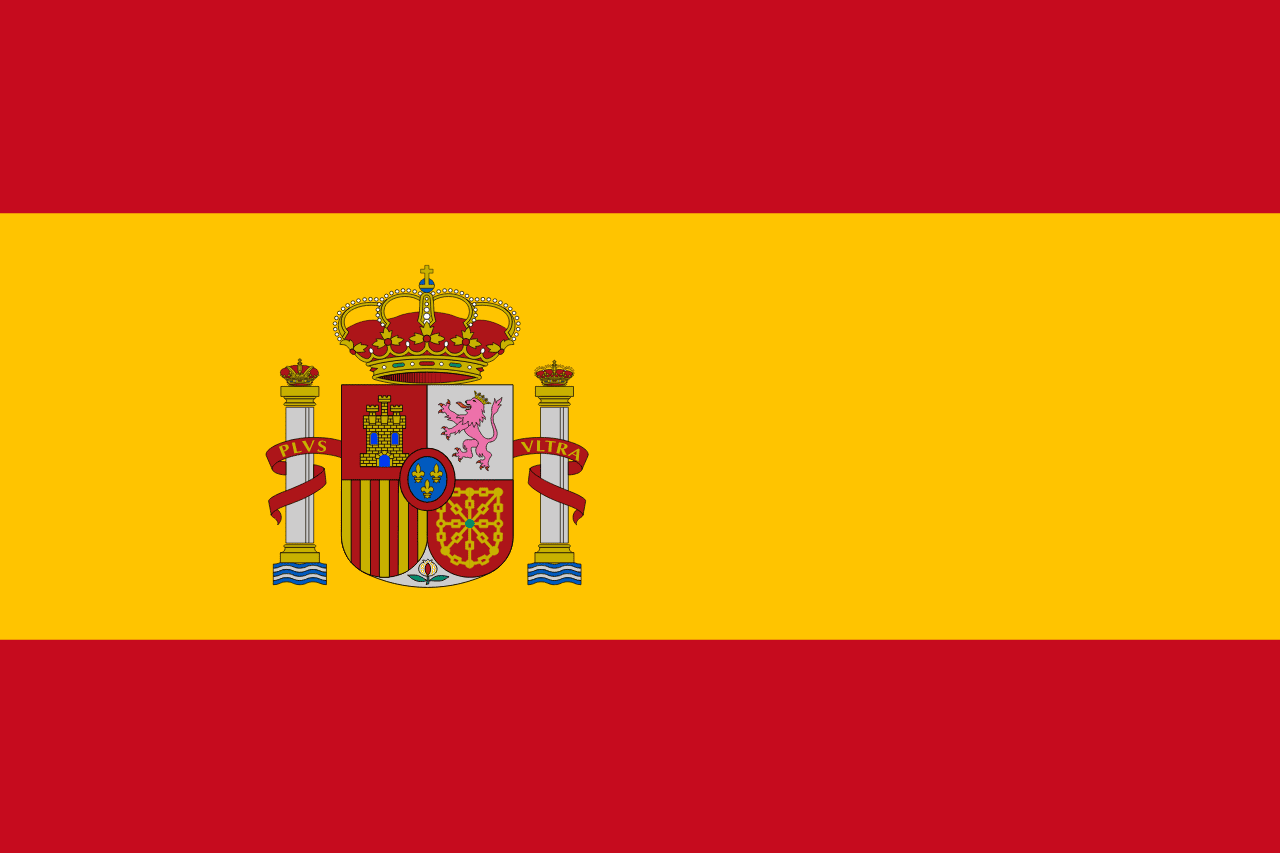
As I wandered through the sun-kissed streets of Barcelona, the vibrant tapestry of Spain's culture unfolded before me. The air was alive with the aroma of saffron, garlic, and roasted meats, each scent weaving a story of tradition, passion, and a deep connection to the land. Spain's culinary culture is as diverse as its landscapes, a delightful mosaic influenced by centuries of history, regional pride, and a love for communal dining. From the bustling streets of Madrid to the tranquil shores of San Sebastián, every corner of Spain offers a unique gastronomic experience that beckons to be savored. Join me on this flavorful journey as I explore ten must-try dishes that reveal the heart and soul of Spanish cuisine.
Let’s start with the beloved classic, **Paella**. Hailing from the region of Valencia, this iconic dish is a festival of flavors and colors. Traditionally made with a base of saffron-infused rice, paella is often embellished with an assortment of seafood, chicken, rabbit, and a medley of vegetables. The result is a beautifully vibrant dish that is both comforting and celebratory. As I sat at a beachside restaurant, savoring a generous serving of seafood paella, the taste was a harmonious blend of briny ocean flavors, aromatic spices, and a faint smokiness from the open flame. It's customary to enjoy paella on Sundays, with family and friends gathered around the table, sharing laughter and stories. This communal aspect makes it more than just a meal; it’s a cherished tradition that binds people together.
Next, let’s savor the delicacy of **Jamon Ibérico de Bellota**. This exquisite cured ham is produced from black Iberian pigs that roam freely in the oak forests of Spain, feeding on acorns, which gives the ham its rich, nutty flavor. The experience of tasting Jamon Ibérico is transcendent; the meat melts in your mouth, revealing a depth of flavor that is both sweet and savory. You can find it in tapas bars throughout the country, thinly sliced and served simply with crusty bread. The story behind this delicacy is as rich as its flavor—many families have been producing this ham for generations, and it’s often regarded as a symbol of Spanish pride and craftsmanship.
Another essential dish is **Gazpacho**, a refreshing cold soup that is especially popular during the hot summer months. Originating from Andalusia, gazpacho is a vibrant blend of ripe tomatoes, cucumbers, bell peppers, garlic, and bread, all pureed together with a drizzle of olive oil and vinegar. Each spoonful is a burst of freshness, the flavors mingling beautifully to create a dish that’s both healthy and invigorating. I remember enjoying a bowl at a small, rustic restaurant in Seville, where the owner insisted on using only the ripest, locally-sourced vegetables. The coolness of the gazpacho contrasted perfectly with the warm sun, making it an unforgettable summer treat.
One cannot discuss Spanish cuisine without mentioning **Tortilla Española**, or Spanish omelet. This simple yet satisfying dish consists of just three ingredients: eggs, potatoes, and onions. The potatoes are slowly cooked until tender, then combined with whisked eggs and sometimes sautéed onions, creating a luscious, thick omelet. The flavor is comforting and homey, reminiscent of family gatherings. I had my first tortilla in a bustling tapas bar in Madrid, where locals would order it as a late-night snack. The culinary significance of tortilla spans generations, often passed down as a family recipe, and it’s a staple in Spanish kitchens.
For a taste of the sea, **Pulpo a la Gallega** should be on your list. This Galician dish features tender octopus served with boiled potatoes, sprinkled with smoked paprika and finished with a drizzle of olive oil. The octopus is boiled to perfection, resulting in a melt-in-your-mouth texture that is both delicate and flavorful. I enjoyed this dish in a seaside town in Galicia, where octopus is celebrated as a culinary treasure. The combination of smoky paprika and the freshness of the octopus transports you to the rugged coastline, evoking the spirit of the sea in every bite.
Moving on to the sweet side of Spanish cuisine, we must indulge in **Churros con Chocolate**. These crispy, golden-brown pastries are deep-fried until they’re perfectly crunchy on the outside and soft on the inside. Served with a cup of thick, rich hot chocolate for dipping, churros are a beloved breakfast treat or an afternoon snack. During my visit to Madrid, I found myself at a famous churrería, where locals lined up for a taste of this beloved treat. The chocolate was decadently thick, clinging to each churro, creating a blissful combination that felt like a warm hug on a chilly day.
Another must-try dish is **Pintxos**, a style of eating that originated in the Basque Country. These delightful small bites are often served on a skewer or atop a piece of bread, featuring various toppings ranging from marinated seafood to savory meats and fresh vegetables. As I hopped from bar to bar in San Sebastián, I was captivated by the colorful array of pintxos displayed tantalizingly on the counters. Each bite was a burst of flavor, often accompanied by a glass of local cider or wine. The social aspect of pintxos—where friends gather to share, sample, and explore—makes it a quintessential part of the Basque dining experience.
**Fabada Asturiana**, a hearty bean stew from Asturias, is another dish that warms both body and soul. This comforting dish features white beans, chorizo, morcilla (blood sausage), and sometimes pork, all simmered together to create a rich and flavorful stew. The taste is robust and satisfying, with the spices and smoky flavors melding beautifully. I had the pleasure of enjoying fabada in a cozy Asturian tavern, where locals gathered during the colder months to relive the warmth of home cooking. The communal spirit of sharing a pot of fabada makes it a joyous meal, perfect for friends and family.
Lastly, we must not forget **Crema Catalana**, the Catalan cousin of the French crème brûlée. This dessert features a creamy custard base flavored with cinnamon and lemon zest, topped with a layer of caramelized sugar that cracks delightfully when tapped with a spoon. I savored my first crema catalana in a charming little restaurant in Barcelona, where the chef added a secret twist with a hint of orange zest. The interplay of creamy and crunchy textures, combined with aromatic flavors, made it an indulgent way to end a meal.
As I reflect on my culinary adventures throughout Spain, it becomes clear that the best food often comes from the most authentic sources. Markets like La Boqueria in Barcelona and Mercado de San Miguel in Madrid are treasure troves of fresh produce, artisan cheeses, and cured meats, where one can sample a variety of flavors all in one place. Street stalls serving up everything from grilled seafood to freshly made churros are abundant, and the bustling energy of these markets immerses you in the local culture. Additionally, small family-run restaurants and tapas bars often serve dishes that have been perfected over generations, inviting you to experience the true essence of Spanish cuisine.
In every bite of these traditional dishes, you taste the history, love, and passion of a nation that deeply values its culinary heritage. So, if you ever find yourself in Spain, keep your heart open and your appetite ready, for the gastronomic wonders awaiting you are an adventure in themselves.