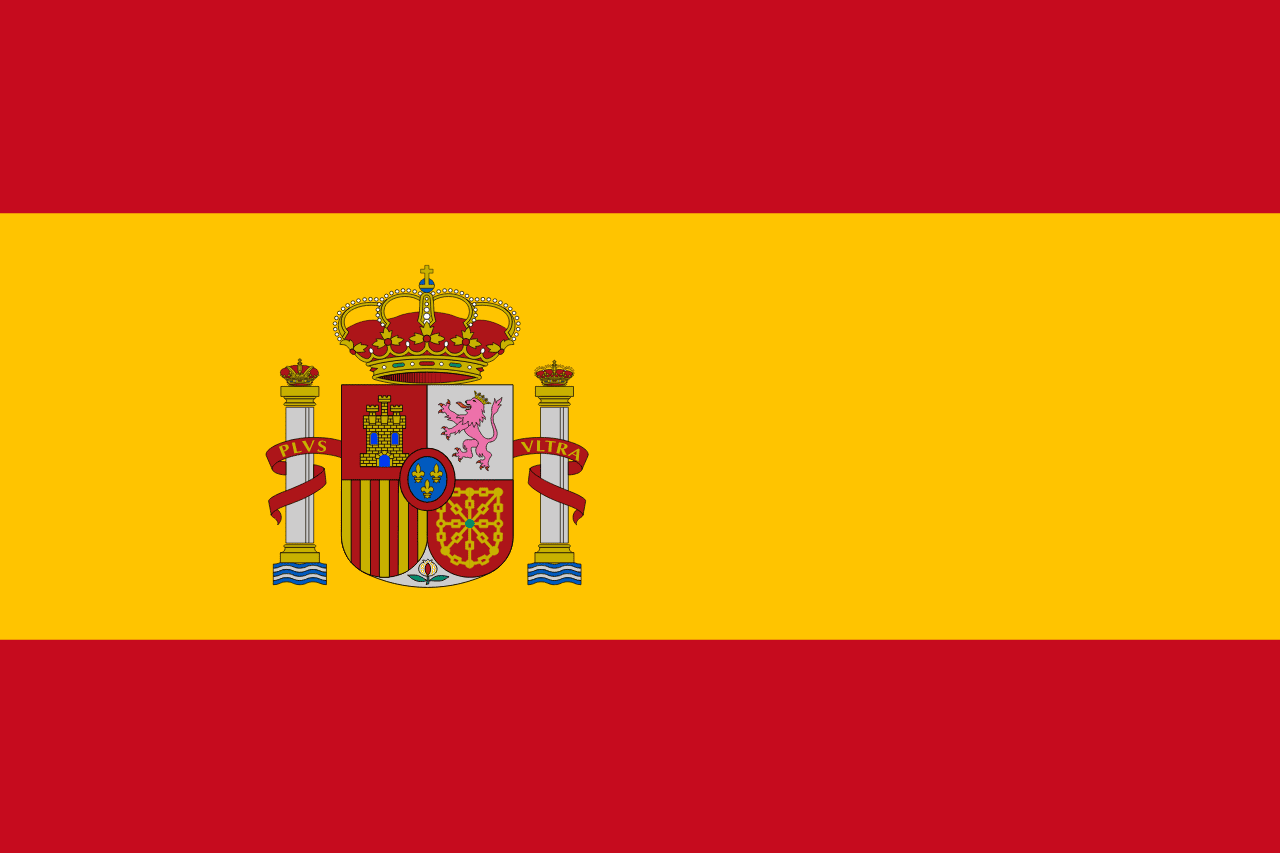
Spain is one of the world's most visited countries, and it has earned that status through an almost unfair abundance of things to offer. Architecture, food, art, beaches, mountains, history, nightlife, football and flamenco — it delivers on all of them, often in the same city on the same afternoon.
Barcelona is the obvious starting point for first-timers. Antoni Gaudi's buildings defy gravity and convention in equal measure. The Sagrada Familia — still under construction after more than 140 years — is unlike any cathedral on Earth, its soaring spires and kaleidoscopic interior more organic sculpture than architecture. Park Guell overlooks the city in terracotta and mosaic. The Gothic Quarter below hides medieval streets barely wider than outstretched arms. Las Ramblas connects it all to the sea.
Madrid is the counterpoint — flatter, more formal, undeniably grand. The Prado Museum contains one of the greatest collections of European art anywhere: Velazquez, Goya, El Greco. The Reina Sofia holds Picasso's Guernica — an anti-war painting of such raw moral force that people still stand before it in silence. The city's tapas bars and vermouth culture have their own energy: roving between small plates and glasses of cold wine from bar to bar is the real Madrid experience.
The south — Andalusia — offers a different Spain entirely. Granada's Alhambra palace is an Islamic architectural masterpiece built by the Nasrid dynasty in the 13th and 14th centuries. Intricate geometric tilework, carved stucco ceilings and the views from its terraces over the city and Sierra Nevada combine into something that genuinely moves visitors. Seville's cathedral, built on the site of a mosque, is the world's largest Gothic church. Cordoba's Mezquita — a mosque with a cathedral inserted into its heart — captures Spain's layered history in a single building.
The food across Spain is some of the best on Earth. San Sebastian in the Basque Country has more Michelin stars per capita than almost anywhere in the world, but its pintxos (small bites) in packed old-town bars are equally extraordinary. Valencia invented paella, and eating the original — rabbit, chicken, rice cooked in a wood-fired pan — is a revelation compared to its global imitations. Spanish olive oil, jamon iberico, Manchego cheese, Rioja wine and Cava are all first class.
The beaches of the Costa Brava, Costa de la Luz, and the Balearic islands — Mallorca, Menorca, Ibiza — cover every preference from party beach to hidden cove. Mallorca's Serra de Tramuntana mountains offer dramatic cycling and hiking behind the turquoise coast. Menorca is quieter, its stone farmhouses and Bronze Age monuments giving it a sense of unhurried authenticity.
Beyond the coasts, Spain's interior is underrated. The Camino de Santiago — the ancient pilgrimage route across northern Spain — is walked by hundreds of thousands each year, with routes converging on the great cathedral of Santiago de Compostela in Galicia. Toledo, Segovia, Salamanca and Cuenca are stunning cities that see fewer visitors than they deserve.
Spanish nightlife runs on its own timezone. Dinner rarely happens before 9pm. Bars fill at midnight. Clubs open at 2am. Fiestas — from the Running of the Bulls in Pamplona to Semana Santa processions — shut entire cities down and fill the streets with noise, colour and devotion.
Spain also has excellent infrastructure: fast trains link the major cities, budget airlines cover everywhere else, and roads through the countryside are well maintained.
To travel Spain is to understand why it has been fought over, celebrated and written about for centuries. Its genius is in making abundance feel effortless.