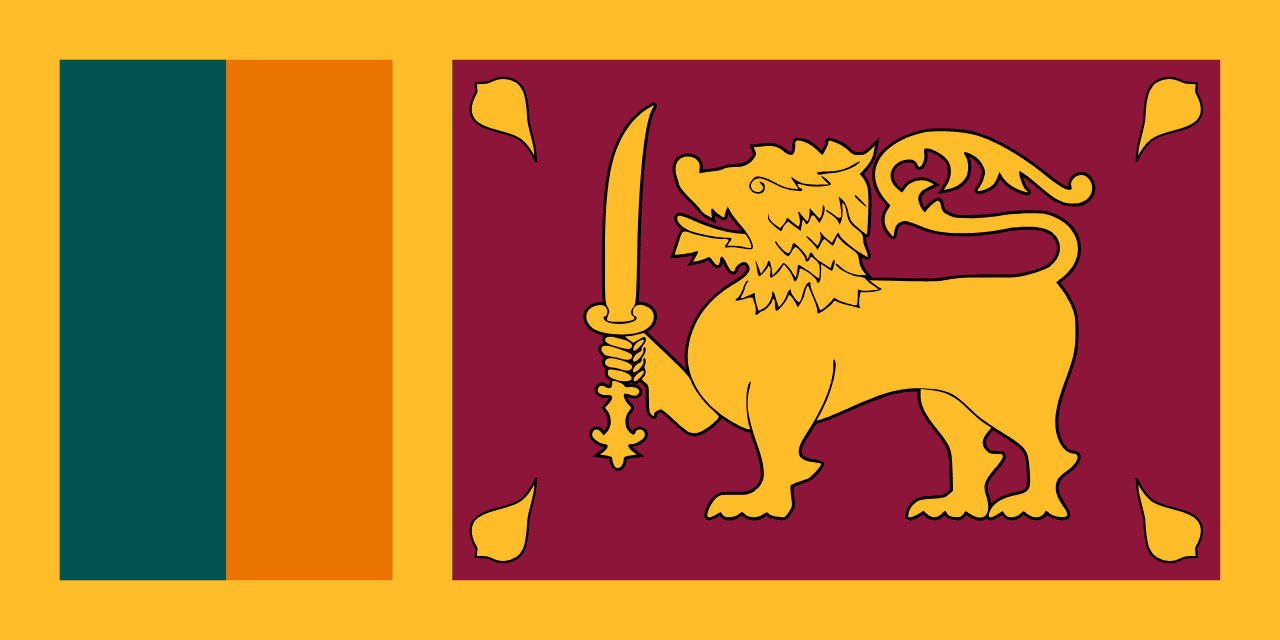
The History of Sri Lanka: From Ancient Times to Today
🌐 Translate:
# The History of Sri Lanka: From Ancient Times to Today
Sri Lanka, an island nation blossoming in the Indian Ocean, boasts a history that is as rich and diverse as its lush landscapes and vibrant cultures. This land of breathtaking beauty has been shaped by its indigenous roots, powerful kingdoms, colonial pursuits, and the struggles for independence. Each chapter of its history presents a mosaic of cultures, religions, and peoples, intertwining to create a vibrant national identity. Join me on a journey through time as we explore the remarkable history of Sri Lanka, from its ancient civilizations to the modern era.
## Ancient and Indigenous History
Archaeological evidence suggests that human activity on the island dates back over 30,000 years. Early inhabitants, known as the Veddas, were hunter-gatherers who roamed the forests and plains. They lived in harmony with nature, practicing a subsistence lifestyle that revolved around hunting, fishing, and gathering. The Veddas are today recognized as the island's original inhabitants, embodying a deep connection to the land that still resonates in Sri Lankan culture.
As centuries passed, the island began to see the emergence of more complex societies. By around 500 BCE, evidence of settled agriculture surfaced, leading to the rise of protohistoric communities. This era laid the foundation for the establishment of kingdoms, and soon thereafter, Sri Lanka became home to the Anuradhapura Kingdom, one of the world’s earliest advanced civilizations.
## The Anuradhapura Period: A Flourishing Kingdom
Around 377 BCE, Anuradhapura emerged as a significant political and religious center, heralding an era that would last for over a millennium. This ancient city was built around the sacred Bodhi tree, believed to be a sapling from the original tree under which the Buddha attained enlightenment. It became a pilgrimage site for Buddhists and a symbol of political power.
King Devanampiya Tissa, who reigned in the third century BCE, is credited with introducing Buddhism to Sri Lanka after meeting the Indian Emperor Ashoka’s missionary, Mahinda. This pivotal moment marked a turning point in Sri Lankan history, as Buddhism became ingrained in the cultural fabric of the island. Temples, stupas, and monasteries sprang up across the landscape, and the Anuradhapura Kingdom flourished under the auspices of the faith.
Notable kings such as Dutugemunu and Valagamba expanded the kingdom’s territory and fortified its defenses. King Dutugemunu, a national hero, is celebrated for uniting the island against the Tamil king Elara and for his contributions to Buddhism, which included the construction of the Ruwanwelisaya stupa, a magnificent monument that still stands today.
## The Polonnaruwa Period: A New Dawn
Following the decline of Anuradhapura due to invasions and internal strife, the Polonnaruwa Kingdom rose to prominence in the 11th century. This era is often regarded as a golden age of culture, politics, and architecture. The Polonnaruwa period saw the reign of King Parakramabahu I, who championed agricultural advancements, irrigation projects, and trade.
A true visionary, Parakramabahu I implemented an extensive system of reservoirs that transformed previously arid lands into fertile fields. His mantra was, "Not even a drop of water should flow to the sea without benefiting mankind." Under his leadership, Polonnaruwa became a hub of trade, attracting merchants from distant lands.
The architectural legacy of Polonnaruwa is evident in its remarkable ruins, including the Gal Vihara, where four colossal Buddha statues carved from solid rock stand in serene majesty. As the kingdom flourished, so too did its cultural achievements, particularly in the arts, literature, and science.
However, like its predecessor, Polonnaruwa eventually faced challenges. Tamil invasions from South India and the gradual decline of central authority led to its downfall. Yet, the era’s contributions to Sri Lankan identity would resonate through time.
## The Influence of the South Indian Kingdoms
As the Anuradhapura and Polonnaruwa kingdoms waned, the island faced increasing incursions from South Indian kingdoms, particularly the Cholas. By the 10th century, the Chola Empire had established control over significant portions of Sri Lanka. This period marked a profound shift, as Tamil culture and influence permeated the island, particularly in the north and east.
The Chola reign introduced new political systems, military strategies, and agricultural practices. The power struggle between the Sinhalese and Tamils would lay the groundwork for future tensions that persist today. However, this cross-cultural exchange also enriched the island's tapestry, fostering a unique blend of Sinhalese and Tamil traditions.
## The Rise of the Kandy Kingdom
By the 15th century, the Kandy Kingdom emerged as the last stronghold of Sinhalese power. Nestled in the lush hills, Kandy became a bastion of Buddhism and Sinhalese culture during the colonial conquests that unfolded in the 16th century. The capital, Kandy, was characterized by its picturesque lake and the Temple of the Tooth, which houses a relic believed to be a tooth of the Buddha, a symbol of royal authority.
The Kandyans fiercely resisted colonial powers, particularly the Portuguese in the 16th century and the Dutch in the 17th century. They maintained independence longer than other parts of Sri Lanka, showcasing the resilience and determination of the Sinhalese people. However, in 1815, the British seized control of Kandy, marking the end of native rule on the island.
## The Colonial Era: A Time of Turmoil and Transformation
The 16th century ushered in a new chapter with the arrival of European colonial powers. The Portuguese first made landfall in 1505, followed by the Dutch and eventually the British in the 18th century. Each of these powers sought to exploit Sri Lanka’s rich resources, including its lucrative cinnamon trade.
The British established direct control over the island in 1815, ushering in significant social, economic, and political changes. They brought with them modern infrastructure, including railways, schools, and tea plantations that transformed the island's economy. However, British rule also sowed the seeds of discontent, as they favored certain ethnic groups over others, leading to social divisions.
The introduction of indentured labor from India to work on tea plantations sparked tensions between communities. The British utilized a divide-and-rule strategy, exacerbating the existing ethnic tensions that would later ignite conflict in the country.
## The Road to Independence
The quest for self-governance began in the early 20th century, with the emergence of nationalist movements. Key figures such as Anagarika Dharmapala and D. S. Senanayake advocated for the rights of the Sinhalese and the restoration of Buddhism’s place in society. The Ceylon National Congress was formed in 1919, spearheading efforts for constitutional reforms.
After World War II, the demand for independence intensified. The Ceylon Independence Act was passed in 1947, granting the island self-governance as Ceylon. The nation celebrated its newfound autonomy, and D. S. Senanayake became the first Prime Minister. However, the euphoric atmosphere masked the underlying ethnic tensions that would soon erupt.
## The Post-Independence Era: Challenges and Conflict
The post-independence period was characterized by mounting ethnic strife, particularly between the Sinhalese majority and the Tamil minority. The government’s policies favoring the Sinhalese language and culture alienated Tamils, leading to demands for greater autonomy and recognition of Tamil rights.
By the 1980s, tensions escalated into a brutal civil war that lasted over two decades. The Liberation Tigers of Tamil Eelam (LTTE) fought for a separate Tamil state, resulting in significant loss of life and widespread devastation. The conflict polarized the nation, creating a deep schism between communities.
In 2009, the war came to a devastating end with the defeat of the LTTE. However, the scars of war remain, and the reconciliation process has proven challenging. The nation has grappled with issues of accountability, justice, and rebuilding trust among its diverse populace.
## The Sri Lanka of Today
Today, Sri Lanka stands at a crossroads, striving to heal from the wounds of its turbulent past while embracing a future filled with promise. The country is renowned for its stunning landscapes, including pristine beaches, verdant hill country, and ancient ruins that attract travelers from around the globe. Tourism has emerged as a vital component of the economy, offering a glimpse into the island’s rich heritage and natural beauty.
Culturally, Sri Lanka is a vibrant mosaic, with Sinhalese, Tamils, Muslims, and Burghers contributing to a dynamic societal fabric. The island celebrates its cultural diversity through festivals, cuisine, art, and music, each bearing a unique signature that reflects its multifaceted history.
In recent years, Sri Lanka has faced new challenges, including political instability, economic crises, and the impact of the COVID-19 pandemic. However, the resilience of its people shines through as they work collectively to forge a brighter future.
From ancient kingdoms to colonial struggles, and the scars of civil war to a hopeful modernity, Sri Lanka’s history is a testament to the strength, diversity, and indomitable spirit of its people. As this island continues its journey, it remains a land of hope and resilience, where the past informs the present, and dreams of a harmonious future beckon.
As we conclude this exploration of Sri Lanka’s captivating history, it is essential to remember that the story is still unfolding. Each chapter is woven with the threads of struggle, triumph, and the enduring quest for identity — a narrative that resonates profoundly in the hearts of its people and the wider world.