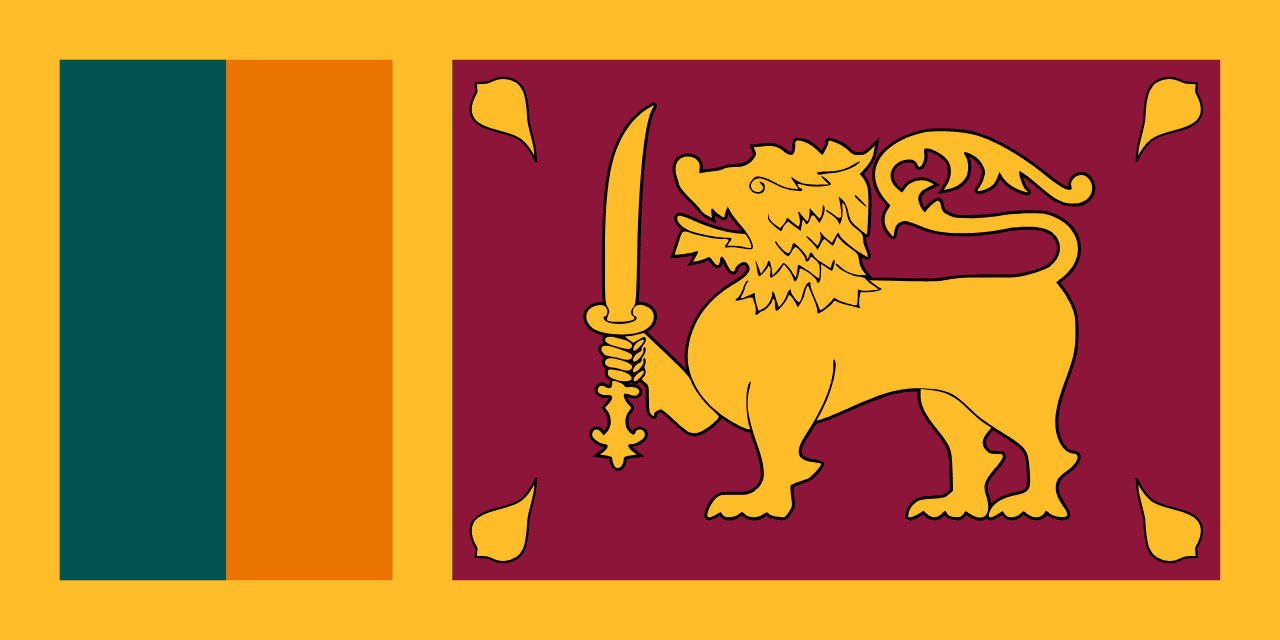
What It's Really Like to Live in Sri Lanka
Living in Sri Lanka is an experience that is vibrant, colorful, and often surprising. Having called this beautiful island home for several years, I can honestly say that life here is a delightful blend of tradition and modernity, with a distinct rhythm that is unique to this part of South Asia. This blog post aims to take you through what everyday life is like in Sri Lanka, covering everything from daily routines and cost of living to social customs and the food culture that ties it all together.
Each day in Sri Lanka typically begins with the rising sun, casting a golden hue over the lush landscapes. Most locals wake up around 5:30 AM, and you can often hear the joyful calls of birds greeting the dawn. For many, mornings start with a cup of "chai," a spiced tea that serves as a gentle invitation to the day ahead. The cost of living here is quite affordable, especially when compared to Western standards. A cup of tea costs about 50 LKR (around $0.15), and breakfast, which often includes an assortment of rice, lentils, and vegetables, can be enjoyed for less than 300 LKR ($1).
Daily life is often dictated by the rhythm of nature, with many people engaging in agricultural work. Sri Lanka is predominantly rural, and in the countryside, you’ll find farmers tending to their paddy fields while the mist still clings to the ground. In urban areas like Colombo, life is a bit more fast-paced, with bustling markets, honking tuk-tuks, and the omnipresent aroma of fresh street food wafting through the air.
The food culture in Sri Lanka is a significant part of daily life. The local cuisine is a rich tapestry of flavors, with rice and curry being the centerpiece of most meals. A typical lunch might consist of a plate of rice served with an array of curries, such as dhal (lentils), pol sambol (coconut relish), and a spicy fish curry. Eating out is quite economical; a lavish meal for two at a local eatery can cost around 1,500 LKR (approximately $4.50).
Social customs in Sri Lanka are rooted in a deep sense of hospitality. When you visit a local home, you are often greeted with a warm smile and offered a glass of "king coconut" water, a refreshing drink that is both hydrating and sweet. It is customary to remove your shoes before entering a home or temple, a practice that speaks to the importance of cleanliness in the local culture.
Family life in Sri Lanka is centered around close-knit relationships, with extended families often living together or nearby. Sunday family lunches are a cherished tradition, where everyone gathers to enjoy a feast together. The concept of "family honor" is prevalent, and respect for elders is deeply ingrained in social interactions. Children are taught to greet elders with a "Vanakkam" or a simple "Ayubowan," which means "may you live long." These greetings are accompanied by a slight bow, demonstrating reverence and respect.
The work culture in Sri Lanka varies significantly depending on the industry. In urban areas, you can find a mix of traditional businesses and modern corporate offices. The 9-to-5 workday is common, but many locals often work longer hours. The common practice of taking breaks to enjoy "tea time" is a welcome respite and an essential part of the workday. It’s during these moments that local gossip and camaraderie flourish, offering a glimpse into the heart of Sri Lankan workplace culture.
After a long week of work, weekends are a time for relaxation and recreation. Many locals head to the beach, as Sri Lanka boasts some of the most picturesque coastlines in the world. The sound of crashing waves and the warm sun make places like Unawatuna and Mirissa favorite weekend getaways. Beachside restaurants serve fresh seafood, and you can find locals enjoying a cool drink while watching the sunset.
For those looking for more traditional activities, attending a Kandy Perahera, a grand festival celebrating the sacred tooth relic of the Buddha, can be a captivating experience. Locals dress in traditional attire, and the streets come alive with music, dance, and fire performances. Joining the festivities can give you a sense of belonging and illustrate the rich cultural tapestry of Sri Lanka.
The weather in Sri Lanka also influences daily life significantly. The island experiences a tropical climate, with two monsoon seasons that bring heavy rainfall and can disrupt daily activities. However, when the sun shines, it creates an ideal atmosphere for outdoor activities and gatherings. The dry zone in the north and east is markedly different from the lush greenery of the central highlands, which means that climate can vary drastically within short distances.
Living in Sri Lanka does come with its challenges, as one might expect in any country. The infrastructure can be lacking, especially in rural areas, where roads may be poorly maintained, and public transport can be crowded. Traffic in cities like Colombo can be a nightmare, with long commutes being common. On the other hand, the warmth of the local people often outweighs these inconveniences, and you quickly learn to navigate the chaos with a smile.
One of the most significant surprises for foreigners living in Sri Lanka is the level of friendliness and hospitality extended by the locals. You'll often find yourself engaged in conversations with strangers who are eager to share stories, recommend places, and even invite you to their homes. This sense of community and openness creates an environment that is welcoming and warm.
Another surprise may be how deeply ingrained cultural practices are in daily life. Festivals are celebrated with great enthusiasm, whether it’s the Sinhala and Tamil New Year, Vesak (celebrating the birth, enlightenment, and death of Buddha), or Poya days, which mark the full moon each month. Each of these celebrations brings families together and often involves elaborate meals, rituals, and community gatherings.
Additionally, the local language, Sinhala, and Tamil can present a barrier for newcomers. However, most people in urban areas understand enough English to communicate effectively. Simple phrases like "kohomada?" (how are you?) or "sitha honda?" (are you well?) can go a long way in forging connections with locals and showing appreciation for their culture.
In conclusion, living in Sri Lanka is an enriching experience filled with flavor, warmth, and the occasional challenge. It’s a place where tradition meets modernity, and daily life is punctuated by community, family, and a love for good food. From the serene mornings to the vibrant festivals, each day offers new experiences that leave a lasting imprint on your heart. If you’re considering a move or a long stay, be prepared to embrace the chaos, savor the flavors, and immerse yourself in a culture that is as captivating as the island itself.