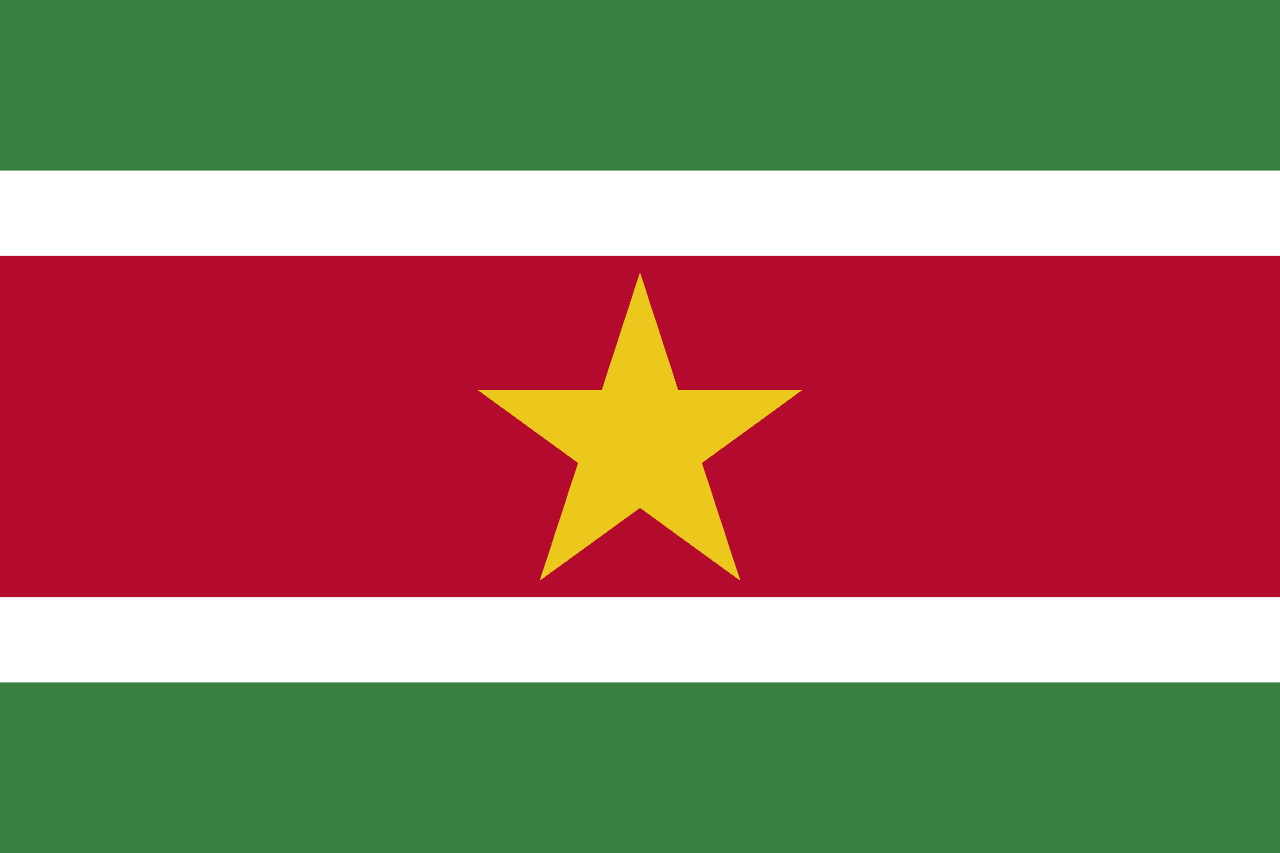
Nestled between Brazil, French Guiana, and Guyana, Suriname is a hidden gem on the northeastern coast of South America, where vibrant cultures blend seamlessly, reflected beautifully in its rich culinary landscape. This small nation, with its diverse ethnic communities, boasts a fusion of flavors that tells the story of its history and its people. From the Indigenous influences to the spicy notes of Indian and Javanese cuisine, Suriname's food culture is a celebration of its multicultural heritage. As I wandered through bustling markets and quiet villages, the aroma of freshly prepared dishes wafted through the air, beckoning me to explore the culinary treasures that lay ahead. Here’s my guide to ten traditional Surinamese dishes you absolutely must try.
First on my list is **Roti**, a beloved staple in Suriname that reflects the country's Indian heritage. Roti is a type of flatbread, soft and slightly chewy, typically served with a variety of curries. My favorite way to enjoy it is with **Kip Massala**, a rich chicken curry that has been simmered to perfection, with a harmonious blend of spices that dance on your palate—think cumin, coriander, and a hint of turmeric. The roti's neutrality complements the curry's boldness perfectly, making each bite a delightful experience. You can find Roti served in Indian restaurants throughout Paramaribo, especially at places like ‘Roti Shop,’ where the locals gather, sharing laughter and stories over plates bursting with flavor. The tradition of eating roti goes beyond just food; it’s a social experience, a time for family and friends to gather and enjoy each other’s company.
Next, we delve into **Pom**, a dish that beautifully encapsulates the Dutch influence on Surinamese cuisine. This baked casserole, made from grated pomtayer—a type of root vegetable—combined with chicken and a savory orange sauce, is a household favorite, especially during special occasions. The dish has a comforting, creamy texture, with a delightful sweetness from the pomtayer that contrasts perfectly with the savory chicken. I had the privilege of enjoying Pom at a family gathering, where it was the centerpiece of the table, surrounded by laughter and stories of generations past. This dish is often made during festive occasions like birthdays and holidays, making every bite feel like a warm hug from the past.
As I continued my culinary adventure, I couldn’t resist trying **Sate**, skewered and grilled meat that has become a beloved street food in Suriname. Typically made with chicken or beef, the marinated meat is grilled to perfection, served with a rich peanut sauce that adds a creamy, nutty flavor to the dish. I stumbled upon a small street stall in Paramaribo, where locals lined up, eagerly waiting for the vendor to serve up these delicious skewers. The scent of smoky meat on the grill mingled with the laughter of patrons enjoying their meals, creating an inviting atmosphere. Eating sate isn’t just about the food; it’s about the communal experience, the shared joy of discovering delicious flavors in the heart of the city.
A visit to Suriname wouldn’t be complete without tasting **Bami**, a delightful nod to the Javanese influence on the nation’s cuisine. This dish features stir-fried noodles tossed with vegetables, meat, and a medley of spices, creating a colorful, fragrant plate that is hard to resist. The flavors are a wonderful balance of savory and slightly sweet, with a kick of spice that keeps you coming back for more. I found myself at a bustling night market, surrounded by the sounds of sizzling woks and the chatter of fellow food lovers, where I enjoyed a steaming plate of bami served with a side of crispy fried wontons. It’s a dish that embodies the lively spirit of Suriname, perfect for a casual meal or a festive celebration.
Continuing my exploration, I discovered **Kroepoek**, a crispy shrimp cracker that is often served as an appetizer or snack. These light, airy chips are a delightful crunch that pairs perfectly with various dipping sauces. As I nibbled on these tasty morsels at a local snack bar, I learned that kroepoek is often enjoyed with a cold drink while watching a game or catching up with friends. The story behind this dish is one of innovation; it reflects the resourcefulness of the Surinamese people, who have embraced ingredients from their environment to create something truly unique. It’s a simple pleasure, yet one that encapsulates the essence of communal dining in Suriname.
No culinary journey in Suriname would be complete without sampling **Moksi Meti**, a traditional rice dish often made for special occasions. This dish is a beautiful blend of rice cooked with various meats, including chicken, pork, and fish, along with a variety of local seasonings and vegetables. The flavors meld together to create a comforting, aromatic meal that fills the home with delightful scents. I was fortunate enough to be invited to a local family gathering where Moksi Meti was served alongside rich, homemade sauces. It’s more than just food; it’s a way to honor family traditions and share a sense of belonging with loved ones, making each bite infused with the warmth of shared history.
I also had the chance to try **Pinda Soup**, a creamy peanut soup that is both hearty and flavorful. This dish often contains chicken or beef, with a generous helping of vegetables, all simmered together to create a comforting bowl of warmth. The flavor is rich, with the peanuts providing a depth of taste that warms you from the inside out. I enjoyed Pinda Soup during a rainy afternoon at a cozy café, where locals gathered to escape the downpour. The shared experience of enjoying Pinda Soup added to its charm, as I connected with others over this comforting bowl of goodness.
A delightful surprise was experiencing **Bitterballen**, a popular Dutch-inspired snack that has found its way into Surinamese cuisine. These deep-fried balls filled with a savory meat ragout are crispy on the outside and delightfully creamy on the inside. Typically served with mustard for dipping, they make for a perfect evening snack or party treat. I found a local bar that served these crispy bites during happy hour, and they quickly became a favorite. The atmosphere was lively, filled with laughter and chatter, making it a great spot to unwind while enjoying this delicious snack.
Lastly, I couldn't leave Suriname without indulging in **Tjauwmin**, a delicious noodle dish that showcases the Chinese influence in Suriname. This stir-fried noodle dish is often loaded with vegetables, shrimp, or chicken, and flavored with soy sauce and various seasonings. The result is a colorful, satisfying meal that can be found in many Chinese restaurants across the country. I enjoyed Tjauwmin at a local eatery, surrounded by families sharing their meals and laughter. It’s a dish that embodies the spirit of togetherness, where each bite brings back memories of family gatherings and celebrations.
As my journey through Suriname’s culinary landscape came to an end, I discovered that exploring the food of this vibrant country was about more than just tasting dishes; it was about connecting with the people, their stories, and their culture. Each meal is a testament to the rich history and diverse influences that have shaped Suriname. Whether you’re enjoying a casual meal at a street stall, sharing a feast with friends at a family gathering, or savoring the flavors at a local restaurant, the food of Suriname is a celebration of life, love, and community.
For the best food experiences, I recommend diving into the local markets and street stalls where the true essence of Surinamese cuisine comes alive. The bustling Central Market in Paramaribo is a must-visit, filled with vibrant stalls offering fresh produce, spices, and ready-to-eat meals. For a more relaxed dining experience, local restaurants like ‘De Waag’ and ‘Koto’ offer a sumptuous taste of traditional dishes, allowing you to savor the flavors of this diverse nation. Don’t forget to step into a cozy café or bar to sample snacks like bitterballen or kroepoek while mingling with the locals—it’s a recipe for unforgettable memories in this beautiful country.