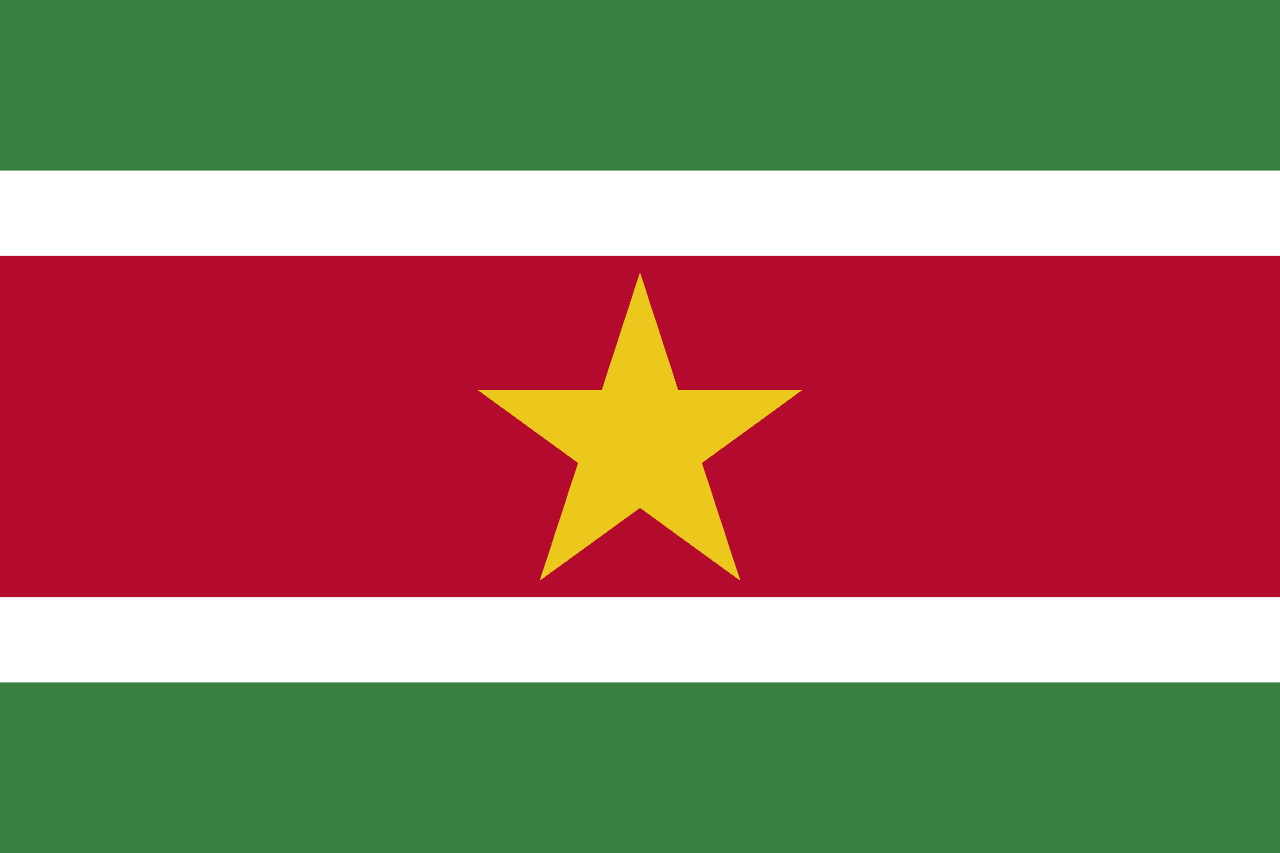
What It's Really Like to Live in Suriname
Nestled on the northeastern coast of South America, Suriname often escapes the radar of many travelers. With its vibrant culture, lush rainforests, and a distinctive blend of influences, the country offers a unique slice of life that is as rich as it is diverse. Having spent several years living in this beautiful gem, I can give you a glimpse into what everyday life looks like here, from family dynamics to food culture, and the myriad of surprises that await newcomers.
Daily life in Suriname is defined by an incredible diversity, with people from various ethnic backgrounds coexisting harmoniously. The population is a tapestry of Indigenous peoples, Afro-Surinamese, Hindustani, Javanese, and Chinese communities among others. This blend is evident in every aspect of life, including language, customs, and even in the daily hustle and bustle. Most Surinamese people speak a mix of Dutch — the official language — Sranan Tongo (a creole language), and their ethnic languages. Imagine walking down the vibrant streets of Paramaribo, the capital, and hearing greetings like “Fesi keba” (good day) or “Odi” (hello) as you pass by colorful street vendors selling fruits and snacks.
As for the cost of living, it can be surprisingly affordable, especially when compared to many Western countries. A modest apartment in Paramaribo can range from 1,500 to 3,000 SRD (Surinamese dollars) per month, depending on the neighborhood, while utilities typically hover around 500 SRD. Eating out is also quite reasonable; a meal at a local restaurant might set you back about 30 to 50 SRD, which is largely affordable for a budget-conscious individual. However, imported goods can be pricey, so it’s wise to embrace local products whenever possible. Fresh fruits and vegetables are plentiful and can be found at local markets for a fraction of the cost of imported ones. For example, a dozen eggs costs around 15 SRD, while a kilogram of rice is around 20 SRD.
Food culture in Suriname is a delightful exploration of flavors, owing to its diverse population. On any given day, you can savor the spicy, rich curries of the Indo-Surinamese, the unique flavors of Javanese dishes, or the hearty fare of the Afro-Surinamese. A favorite local dish, roti, is often filled with chicken or lamb and served with a side of flavorful vegetable curry. You might also come across a traditional dish called "pom," made from grated yellow root (similar to sweet potato) and filled with chicken or beef, which is a must-try during festive occasions. Street food is a beloved aspect of life here, where you can grab a “bami” (fried noodles) or “kipsate” (chicken satay) for a quick meal.
When it comes to social customs, Surinamese people are remarkably warm and welcoming. Family life is central to societal structure, and gatherings often include extended family. Family members will frequently drop by unannounced, and it is common to offer refreshments, demonstrating the significance of hospitality. During traditional celebrations, such as Eid or Diwali, you will see an influx of festivities, with everyone joining in to celebrate regardless of their background. In social settings, people often greet each other with a handshake accompanied by a friendly smile, and it’s customary to inquire about a person’s health and family before diving into conversation.
Work culture is another fascinating aspect of life in Suriname. The workweek typically runs from Monday to Friday, with most businesses opening around 8 AM and closing around 5 PM. The pace of work can be more relaxed than in many Western countries, which is both a challenge and a charm. Punctuality isn’t always strictly observed; meetings might start late, and deadlines can sometimes be flexible. This fluidity can take some getting used to, especially for those who are accustomed to a fast-paced, high-pressure environment. However, many international companies are adopting a more structured approach, so you'll find a mix of both styles depending on where you work.
Weekends in Suriname are a time for relaxation and socialization. Many locals take advantage of the beautiful natural surroundings by exploring the vast rainforests or visiting the scenic beaches along the coast. A popular outing is to head to the nearby historic plantation villages, where you can immerse yourself in Suriname’s colonial history while enjoying the stunning landscapes. Additionally, weekends often feature lively markets filled with music, crafts, and delicious food, creating a vibrant atmosphere that is hard to resist.
The weather in Suriname plays a significant role in everyday life. The country has a tropical climate with a distinct wet and dry season. From December to July, the days can be humid and hot, with temperatures regularly hovering around 30°C (86°F). This weather encourages a slower pace of life, where midday siestas or leisurely afternoons under a shade tree are common. During the rainy season, be prepared for sudden downpours, but don’t let that deter you; the rain often brings a refreshing break from the heat. Locals embrace the weather, and you’ll often see people enjoying outdoor gatherings, playing music, or dancing in the rain.
Living in Suriname is not without its challenges, however. Infrastructure can be lacking, especially in rural areas, with potholes dotting the roads and occasional power outages. Access to healthcare can be limited outside of Paramaribo, prompting some expatriates to seek treatment in neighboring countries. While crime rates are comparatively low, petty crime can occur in urban areas, so it’s essential to stay vigilant and take standard safety precautions.
Yet, amid these challenges, the positives are bountiful. Suriname is a melting pot of cultures, and this diversity fosters a rich social tapestry. Friends here feel more like family; the bonds formed often transcend traditional boundaries. The stunning natural beauty of the rainforest and wildlife is another undeniable perk. The dense greenery and diverse ecosystems are a paradise for nature lovers, providing ample opportunities for adventure and exploration.
What tends to surprise foreigners most upon arriving in Suriname is the genuine kindness and hospitality of the locals. People often go out of their way to help, whether it's giving directions, sharing a meal, or inviting someone to a family gathering. Another surprising aspect is the multicultural harmony, where various religious and cultural practices coexist peacefully. It’s not uncommon to witness a Hindu celebration occurring in tandem with an Islamic festival, showcasing the respect and appreciation each group has for the other.
In conclusion, living in Suriname is a journey filled with rich experiences and vibrant connections. Daily life here is a blend of tradition and modernity, where work and play beautifully coexist. The flavors of the local cuisine, the warmth of the people, and the breathtaking natural landscapes create a life that is both unique and fulfilling. While challenges exist, they are often overshadowed by the joys of living in a country that is as colorful as its people. For anyone considering a move or a visit here, be prepared to embrace the unexpected and open your heart to the warmth of Suriname.