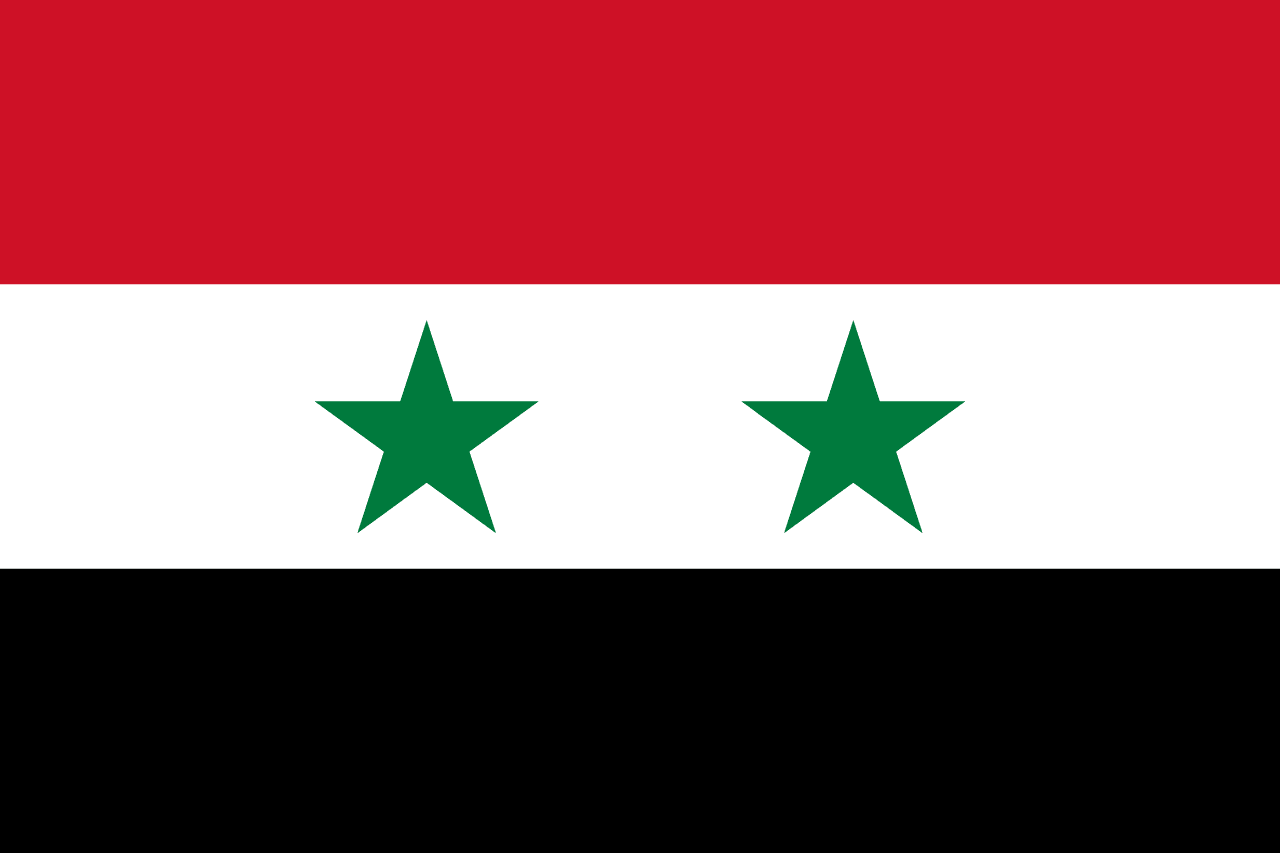
Syria: Damascus, Aleppo Soap and the Civilisation That War Could Not Erase
🌐 Translate:
Damascus is the oldest continuously inhabited city on earth — evidence of settlement dates to at least 9000 BC, and the city has been continuously occupied since. The Umayyad Mosque, built in the early 8th century on the site of a Roman temple that stood on a Hellenistic temple that replaced an older Aramaic place of worship, is among the holiest sites in Islam and one of the oldest mosques in the world. The Old City of Damascus, UNESCO World Heritage, contains layers of civilisation — Roman, Byzantine, Islamic, Crusader, Ottoman — that are simultaneously present in the same streets.
Aleppo soap — hard olive oil soap made with bay laurel oil using a method that has not changed significantly in two thousand years — is one of the oldest manufactured products in the world still in production by the same traditional process. The soap's distinctive green-brown colour and its specific ratio of olive to laurel oil vary by manufacturer and affect its properties. Syrian master soap makers can identify the quality of an Aleppo soap by smell alone. The soap was being made in this city before the Roman Empire.
The Syrian people carry a civilisation of extraordinary depth — the Phoenician alphabet that became the ancestor of almost every alphabetic writing system in the world originated in Syrian coastal cities; the first ever peace treaty in recorded history was negotiated between Egypt and the Hittites partly in what is now Syria; Aramaic, the language of Christ, was spoken in the Syrian interior. The war that has devastated Syria since 2011 has not destroyed this inheritance, though it has displaced and dispersed the people who carry it.