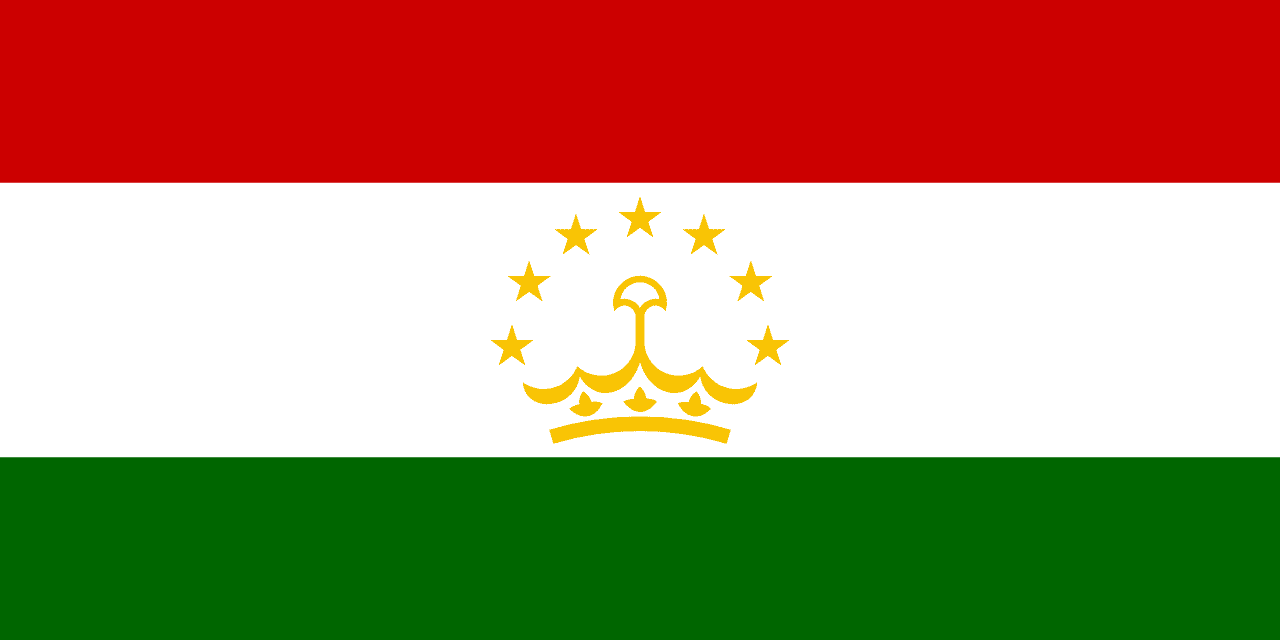
The History of Tajikistan: From Ancient Times to Today
🌐 Translate:
# The History of Tajikistan: From Ancient Times to Today
Nestled in the heart of Central Asia, Tajikistan is a land of stunning mountains, rich cultural heritage, and a history that spans millennia. Its past is woven into the very fabric of the Silk Road, the cradle of ancient empires, and the complex tapestry of modern geopolitics. To truly understand this country, one must embark on a journey through time, exploring its ancient roots, the rise and fall of great empires, the struggles of colonialism, and the fervent desire for independence that ultimately shaped its modern identity.
## Ancient Roots: The Dawn of Civilization
The history of Tajikistan dates back thousands of years, with its territory once inhabited by various nomadic tribes and ancient civilizations. Archaeological evidence suggests that the region was part of the Oxus Civilization, which flourished around 2000 BCE along the banks of the Amu Darya River. The rich agriculture, advanced metallurgy, and robust trade networks laid the foundation for a vibrant culture that would flourish in the centuries to come.
The Iranian-speaking peoples, specifically the Sogdian merchants, became the prominent inhabitants of this region, playing a crucial role in the Silk Road trade from the 6th century BCE. Sogdiana, as it was known, was a significant cultural and commercial hub, connecting the East and West through the exchange of goods, ideas, and philosophies. It was during this period that the foundations of the Tajik identity began to take shape, marked by the Persian language and Zoroastrian religious practices that would influence the region for centuries.
## The Rise of Great Empires
As time marched forward, Tajikistan found itself at the crossroads of some of the greatest empires in history. The Persian Empire, under the Achaemenids, absorbed the region, as did the subsequent empires of Alexander the Great and the Greeks. The conquest of Alexander in the 4th century BCE left a profound impact, intertwining Hellenistic culture with local traditions.
Centuries later, during the 6th century CE, the region would again change hands with the rise of the Hephthalite Empire. Known as the White Huns, they brought a wave of new cultural influences and trade networks. However, the most monumental shift came with the advent of Islam in the 7th century. The Arab conquests introduced the Islamic faith, which would become a cornerstone of Tajik identity.
In the 8th century, the Umayyad Caliphate solidified its control over the region, and with it, the Persian language and culture began to flourish once more. The Samanid Empire, which emerged in the 9th century, became a beacon of cultural revival, fostering literature, science, and art. It was during this era that the great Persian poet Rudaki, often hailed as the father of Persian literature, emerged, penning verses that would echo through the ages.
## The Turbulent Middle Ages
As the centuries unfolded, Tajikistan experienced a tumultuous history marked by invasions, conquests, and fragmentation. The Mongol invasions of the 13th century shattered the region and reshaped its demographic landscape. Genghis Khan's forces swept through, leaving devastation in their wake and resulting in the decline of the Samanid Empire.
The subsequent Timurid Empire, founded by the legendary Timur (Tamerlane), brought about a new era of prosperity and architectural marvels. Under Timur’s reign in the 14th century, the capital of Samarkand became a dazzling center of culture and learning, renowned for its magnificent mosques and madrasas. The Tajik legacy flourished during this time, with scholars and artisans contributing to a renaissance that would impact the entire Islamic world.
However, the 16th and 17th centuries saw the disintegration of the Timurid Empire, leading to further fragmentation of power among regional khanates. The region oscillated between various influences, including Persian, Uzbek, and Russian, as it struggled to maintain its unique cultural identity amidst the chaos of competing powers.
## Colonial Shadows: The Russian Empire
By the 19th century, the Russian Empire turned its eyes toward Central Asia, seeking to expand its territory and influence. The conquest of Tajikistan began in earnest in the 1860s, as Russian forces moved into the region, gradually absorbing the various khanates and principalities.
The Russian colonial period was marked by significant changes to the economic, social, and political landscape of Tajikistan. While infrastructure developed—railways were built, and towns modernized—local traditions often took a backseat to the assimilative policies of the colonizers. The imposition of Russian culture and language created rifts in the traditional fabric of society, and many Tajiks found themselves caught between their historical identity and the pressures of modernization.
This period also saw the rise of nationalist sentiments among the Tajiks, who began to advocate for their rights and the preservation of their cultural heritage. The early 20th century witnessed the emergence of prominent figures such as Mirzo Tursunzadeh, who championed the cause of Tajik identity and heritage. Yet, the revolution of 1917 brought about further upheaval, leading to the eventual establishment of Soviet control over the region.
## Independence and Modern Formation
Following the Russian Revolution, Tajikistan became part of the Soviet Union in the 1920s. Initially, it was a part of the Uzbek Soviet Socialist Republic, but in 1929, it was established as the Tajik Soviet Socialist Republic. This period was marked by significant social and economic transformations, as the Soviet regime attempted to modernize the region through education, industrialization, and collectivization. While many advancements were made, the era was also characterized by repression and the suppression of local culture.
The dissolution of the Soviet Union in 1991 marked a pivotal turning point in Tajikistan's history. On September 9, 1991, Tajikistan declared its independence, a moment celebrated by many as a long-awaited return to sovereignty. However, the euphoria was short-lived as civil war erupted in 1992, resulting from a power struggle among various factions and political groups. The conflict lasted until 1997 and claimed tens of thousands of lives, leaving a deep scar on the nation.
The post-war period was fraught with challenges as Tajikistan navigated its way toward rebuilding and establishing stability. Emomali Rahmon, who became president in 1994, played a crucial role in the peace process and efforts to unify the country. His leadership, although sometimes authoritarian, brought a degree of stability to the nation, allowing it to recover from the ravages of war.
## Tajikistan Today: A Land of Resilience and Hope
Fast forward to the present, and Tajikistan stands as a testament to resilience and cultural richness. The nation has made significant strides, with improvements in infrastructure, education, and economic development. Tajikistan is known for its breathtaking landscapes, including the towering Pamir Mountains, which attract adventurers and travelers seeking the beauty of nature.
Culturally, the Tajik identity remains vibrant, blending ancient traditions with modern influences. The Persian language, which is central to Tajik culture, continues to thrive, and the arts, including literature, music, and dance, are celebrated and cherished. Tajikistan is also increasingly engaging with the global community, participating in international organizations and regional collaborations to promote peace and development.
However, challenges remain. The country continues to grapple with economic issues, environmental concerns, and political tensions. The efforts to maintain stability and foster a sense of national unity are ongoing, as the government aims to build a brighter future for its citizens.
In conclusion, the history of Tajikistan is a complex narrative of resilience, cultural richness, and the indomitable spirit of its people. From ancient civilizations to the modern era, Tajikistan has endured trials and tribulations that have shaped its identity. As it strides into the future, it does so with a rich heritage and a commitment to overcoming challenges, ensuring that the legacy of its past continues to inspire generations to come.