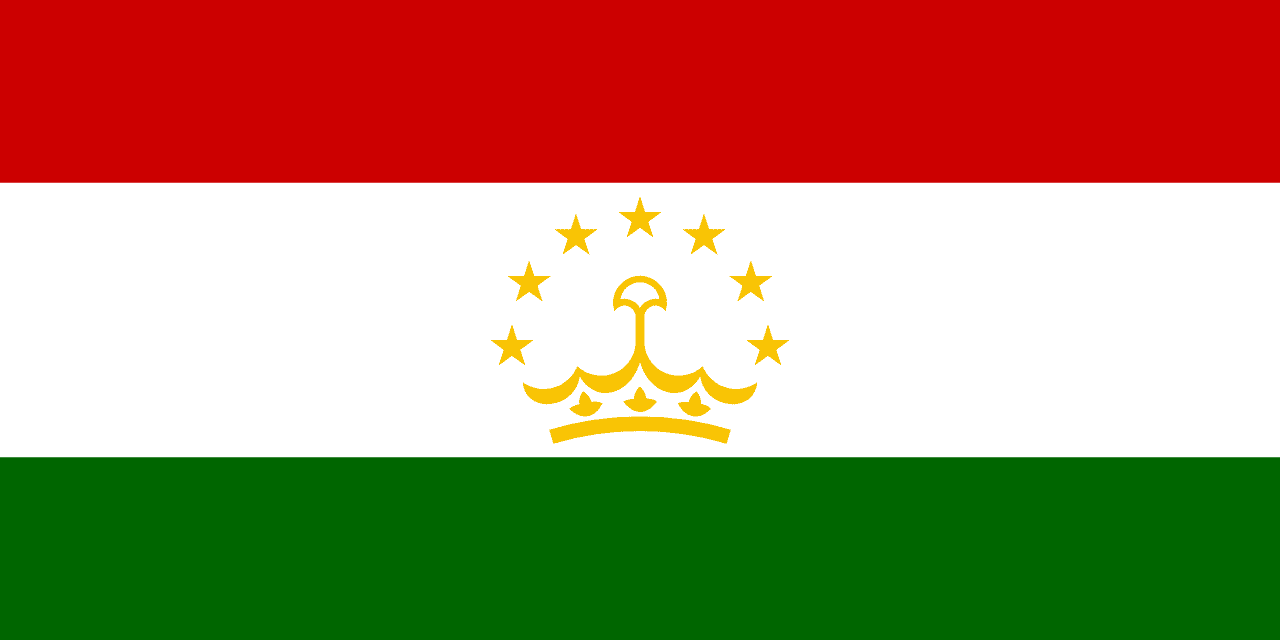
What It's Really Like to Live in Tajikistan
Living in Tajikistan is like being woven into a tapestry of rich history, diverse culture, and breathtaking landscapes. Nestled in the heart of Central Asia, this small, mountainous country is often overshadowed by its more famous neighbors. But for those of us who call it home, it offers an experience like no other. I have spent several years in Tajikistan, and I want to share with you the vivid details of everyday life here — from the local food to the warmth of family gatherings, the challenges we face, and the surprises that await foreign visitors.
Daily life in Tajikistan is characterized by a unique blend of tradition and modernity. Mornings often begin early, as the call to prayer reverberates through the streets. In cities like Dushanbe, the capital, and smaller towns such as Khujand, you might find vendors setting up their stalls as dawn breaks, selling fresh bread, fruits, and vegetables. I remember my first morning in Dushanbe; I was greeted by the tantalizing aroma of freshly baked non — round bread that is a staple in Tajik cuisine. A loaf costs around 2 somoni (about $0.20), and you can see people queueing up with their woven bags, chatting amicably as they await their turn.
The cost of living in Tajikistan is relatively low, especially compared to Western countries. Rent for a modest apartment in Dushanbe can range from 1,500 to 3,500 somoni per month (around $140 to $320), depending on the neighborhood. Utilities are affordable, usually around 300 somoni ($30) for a small apartment. When it comes to groceries, a trip to the bazaar is an adventure. Local markets are filled with colorful displays of fruits and vegetables; you can buy a kilogram of oranges for about 5 somoni ($0.50) or a bunch of fresh herbs for just a couple of somoni. Shopping at the bazaar is not just transactional; it’s a social experience. Haggling is common, and you’ll often hear locals greet each other with phrases like “Salom, khush omadi!” (Hello, welcome!) as they barter for the best price.
Food culture in Tajikistan is incredibly rich and deeply rooted in tradition. One of the most popular dishes is plov — a fragrant rice dish cooked with carrots, onions, and pieces of meat, typically lamb or chicken. A plate of plov at a local café might cost around 25 somoni ($2.30). Sharing meals is an integral part of Tajik life; it’s common for families to gather around a large platter of plov, with everyone digging in using their right hand. The first bites are often reserved for guests, an embodiment of the local hospitality. During my first plov experience, I was honored to be served first, a gesture that made me feel truly welcomed.
Social customs in Tajikistan are influenced by a blend of Islamic traditions and a unique cultural heritage. Greetings are warm and heartfelt; it’s customary to inquire about each other’s well-being. Handshakes are common among men, while women may embrace or kiss each other on the cheeks. When visiting someone’s home, it’s polite to bring a small gift, such as sweets or fruits. In larger cities, it’s also common to see more modern customs, especially among the younger generation, who often embrace social media and contemporary fashions while still respecting traditional values.
Family life in Tajikistan is close-knit and often revolves around the extended family unit. It’s not uncommon for multiple generations to live under one roof, sharing responsibilities and nurturing strong bonds. Family gatherings are frequent, especially during holidays and special occasions. During my time here, I attended several weddings, which are grand affairs that can last for days. Traditional Tajik weddings are vibrant, filled with music, dance, and, of course, an abundance of food. The bride and groom are often treated like royalty, and guests are expected to bring gifts, often in the form of money, to help the couple start their new life together.
Work culture in Tajikistan has its own rhythm. The typical workday runs from 9 AM to 5 PM, but many employees find themselves working longer hours, especially in the public sector. Office culture can be hierarchical, and showing respect to superiors is essential. Despite these formalities, there is a wonderful sense of camaraderie among coworkers. It’s not unusual for colleagues to go out for tea or lunch together, and conversations often extend beyond work-related topics.
Weekends in Tajikistan provide a welcome break from the workweek. Many locals enjoy spending their Saturdays visiting family or taking leisurely strolls in parks, particularly in Dushanbe, where you can find beautiful green spaces like the Rudaki Park. On Sundays, families often gather for picnics in the mountains, a common pastime that allows them to enjoy the breathtaking landscapes and fresh air. Tajikistan is blessed with stunning natural beauty, from the towering Pamir mountains to serene lakes like Iskanderkul. I often found myself hiking on weekends, surrounded by locals who were eager to share stories and food from their backpacks.
The weather in Tajikistan plays a significant role in shaping daily life. The country experiences a continental climate, with cold winters and hot summers. Winter temperatures in Dushanbe can drop to around -5°C (23°F), while summers can soar above 40°C (104°F). The stark seasonal changes dictate daily routines; during the summer months, you will find people socializing outdoors in the cooler evenings, while winter brings families closer together indoors. It’s fascinating to see how people adapt — in winter, you might find locals clad in thick woolen shawls, sipping hot green tea, while summer brings a burst of energy, with people setting up chaykhana (tea houses) in parks to enjoy refreshing beverages.
Living in Tajikistan presents its own set of challenges. Infrastructure can be inconsistent, with roads in rural areas needing improvement. Access to reliable internet can also be hit or miss, which can be frustrating for expats trying to stay connected with family and work. Healthcare services, while improving, may not always meet the standards one might expect in more developed countries. However, the resilience and resourcefulness of the people here are incredible, and many locals have developed a strong sense of community to navigate these challenges together.
Yet, Tajikistan is also filled with positives that make living here incredibly rewarding. The hospitality of the people is second to none. You can walk into a stranger’s home and be welcomed with open arms and an offer of tea, bread, and sweets. The sense of community is palpable, with neighbors looking out for one another and helping each other out in times of need. The rich cultural heritage, from traditional music to art forms, is a source of pride for many locals, and you can often witness performances or art exhibitions showcasing Tajik talent.
Foreigners frequently express surprise at the depth of hospitality and warmth they encounter in Tajikistan. Many come expecting a stark, underdeveloped landscape but leave with a sense of appreciation for the country’s rich culture and the kindness of its people. Visitors often remark on the stunning mountainous scenery and how they initially underestimated the beauty of the region.
Living in Tajikistan has been a transformative experience for me. It has taught me the value of community, the importance of family, and the joy found in everyday moments. Tajikistan may not be a typical travel destination, but for those willing to embrace its charm, it offers a unique perspective on life and an opportunity to connect with a culture that is both ancient and vibrant. Whether it’s sharing a meal of plov with a family or hiking through the majestic mountains, each day presents a chance to discover something new and beautiful.