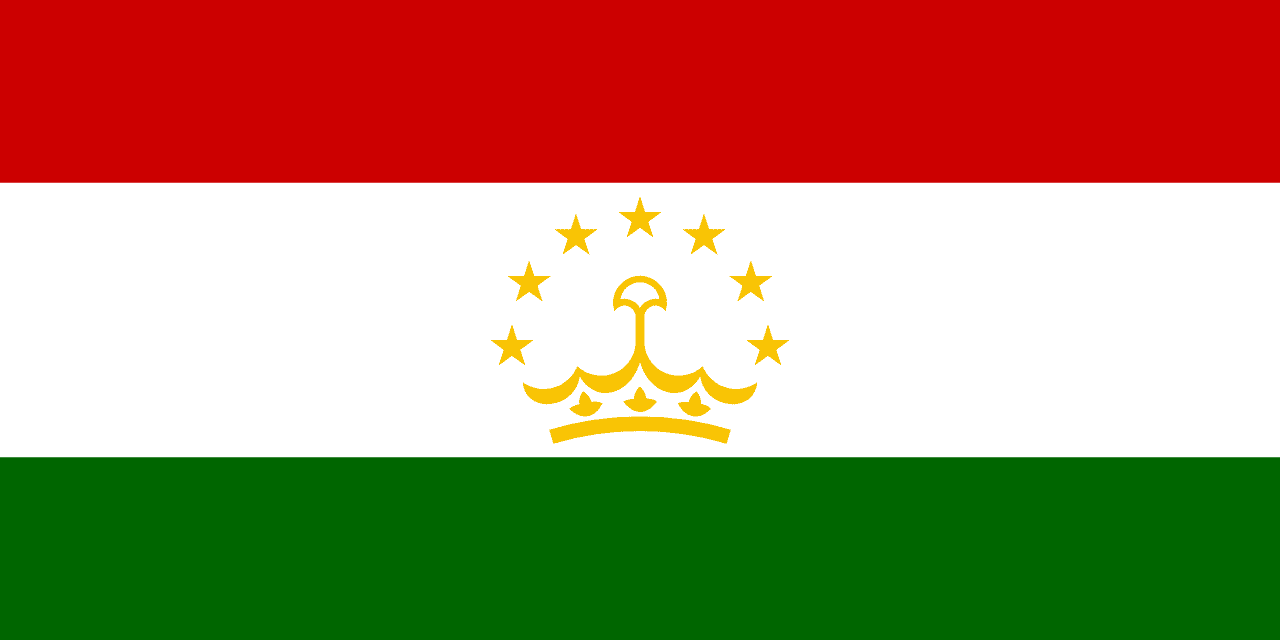
Tajikistan is Central Asia's mountain kingdom — a landlocked country where more than 90% of the land is mountainous, where the Pamir Mountains form a roof of the world that travellers describe as life-changing, and where the ancient Silk Road left traces of culture that the modern world has barely touched. It is not an easy destination. It is an extraordinary one.
The Pamir Highway — officially the M41, one of the world's highest roads — crosses the Wakhan Valley and the Great Pamir Plateau at altitudes above 4,000 metres. Driving it is an adventure in the full sense of the word: unpaved sections, river crossings, military checkpoints, and a landscape of such desolate, enormous beauty that it reduces most travellers to silence. The Hindu Kush rises to the south into Afghanistan; the Karakoram is visible across the border into Pakistan. Yak graze on high meadows. Pamiri villages of stone houses and carved wooden doors appear beside glacial rivers.
The Wakhan Corridor — the narrow strip of Afghanistan visible from the Tajik side — is one of the most historically resonant geographical features in Asia. Marco Polo sheep with their vast spiral horns roam both sides of the border. Marco Polo himself passed through here on his way to China in the 13th century, and the silence of the valley feels barely changed from what he described.
Lake Karakul sits at 3,914 metres above sea level near the Kyrgyz border, its deep blue set in a volcanic crater surrounded by bare, windswept mountains. There are no trees, no crops, barely any signs of human habitation around it. The isolation is extreme and the visual experience is genuinely alien — visitors describe it as like standing on another planet.
Iskandarkul, lower and more accessible in the Fann Mountains near Dushanbe, offers a completely different mood: turquoise water, forested slopes, waterfalls and hiking trails through meadows where horses graze free. The Fann Mountains are a trekking destination of growing reputation, with routes through villages where the pace of life has changed little in generations.
Dushanbe, the capital, is a city of Soviet-era boulevards and Persian cultural heritage navigating a post-Soviet identity. The National Museum houses artefacts from the ancient Bactrian civilisation, including gold jewellery and Buddhist statues predating the arrival of Islam. The carpet market near the city centre sells handwoven Pamiri rugs with geometric patterns that go back centuries.
Khujand in the north was once Alexandria on the Jaxartes — a city founded by Alexander the Great on the banks of the Syr Darya River. Its ancient citadel and bazaar retain historical character, and the surrounding Ferghana Valley connects into Uzbekistan and Kyrgyzstan's Silk Road cities.
Tajik culture is warmly hospitable. Guests are welcomed with green tea, non flatbread and dried fruit. Shared meals in yurt guesthouses on the Pamir Plateau are spontaneous and generous. The Pamiri people — ethnically and linguistically distinct from lowland Tajiks — maintain Ismaili Muslim traditions and a culture with ties to Persian antiquity.
The visa and permit process requires preparation — a special permit is required for the Wakhan Valley and Pamir Highway — and road conditions can make some routes inaccessible after heavy snow. Infrastructure varies from basic to very basic.
But Tajikistan is the kind of destination that serious travellers talk about for the rest of their lives. The mountains, the solitude, and the feeling of genuine remoteness are increasingly rare in today's connected world. Here, they are still fully available.