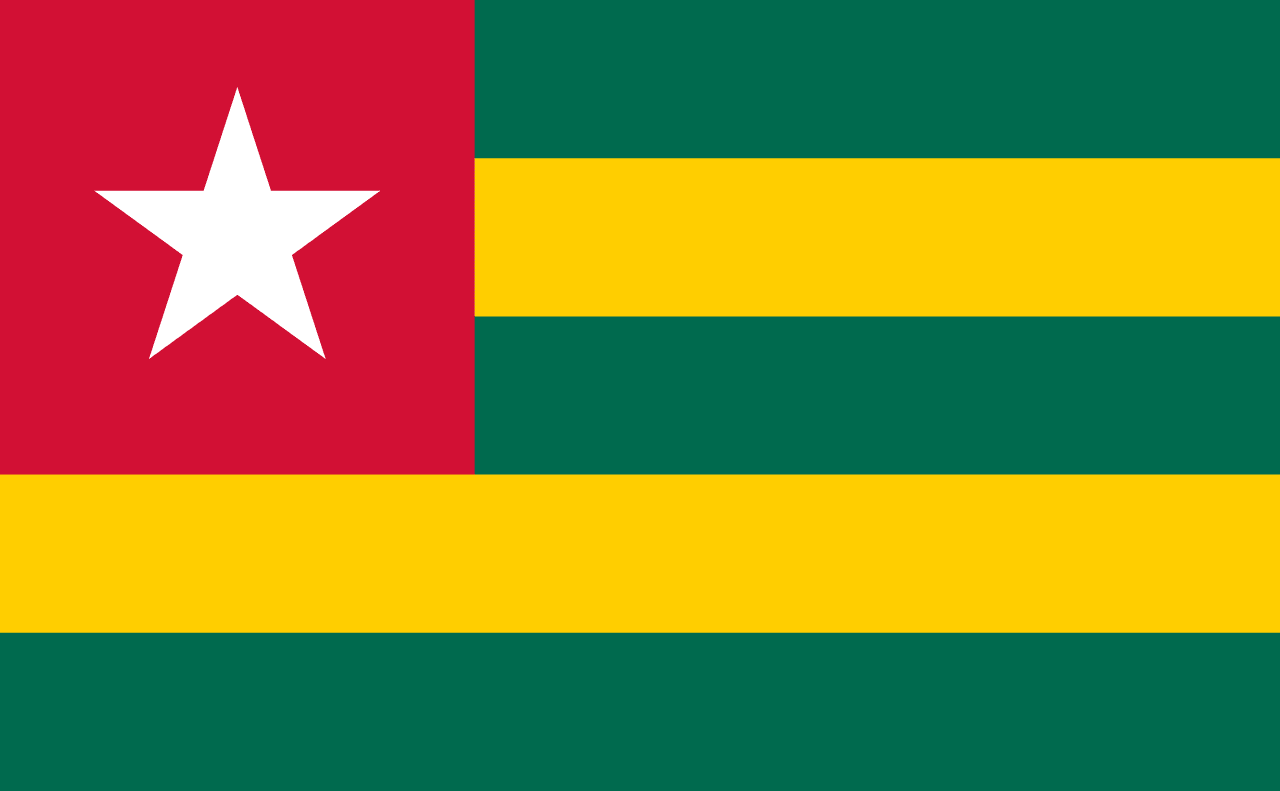
Togo is one of West Africa's smallest and most overlooked countries — a narrow strip of land running from the Gulf of Guinea north to the Sahel, flanked by Ghana and Benin. For travellers willing to look beyond the better-known destinations of the region, Togo offers a fascinating combination of living spiritual traditions, remarkable UNESCO-listed architecture and a coastline that lacks the tourist infrastructure precisely because so few international visitors have discovered it yet.
Koutammakou, in the northeast near the Benin border, is Togo's UNESCO World Heritage Site and its single most distinctive attraction. The Batammariba people — whose name literally means "those who are the real architects of the earth" — build extraordinary fortified houses called takienta from clay and organic materials. These multi-story circular towers have narrow doorways designed to require crouching entry (making defence easier), flat rooftops for grain drying, and interior spaces for sleeping, storage and ceremony. The landscape they occupy — rolling savanna with isolated baobab trees — makes it look like a world from another century, because in many ways it is. The Batammariba maintain their traditions, their ceremonies and their architecture largely on their own terms.
Lomé, the capital, sits directly on the Gulf of Guinea and has a relaxed Atlantic city atmosphere that differs from most West African capitals. The central market — Grand Marche — is the largest in the region and includes a dedicated voodoo market (the Marche des Feticheurs) where healers and practitioners sell dried animal parts, powders, roots and ritual objects used in traditional Vodun ceremonies. It is a functioning commercial space for practitioners, not a performance — photographing respectfully and buying from vendors supports real cultural traditions.
Vodun (the origin of what became Vodou in Haiti and Louisiana after the slave trade) is practised openly in Togo and Benin. Festivals, particularly around January 10, involve processions, drumming, possession ceremonies and offerings to ancestral spirits that are among the most striking and authentic cultural experiences available to visitors in Africa. Witnessing them with a knowledgeable local guide and appropriate respect reveals a spiritual system of great complexity and beauty.
The Fazao-Malfakassa National Park in central Togo provides wildlife viewing — elephant, buffalo, antelope and over 350 bird species — in a relatively undeveloped park that lacks the game-drive infrastructure of East or Southern Africa but rewards patient visitors who come for the experience rather than the guaranteed sighting.
The waterfalls at Kpalime in the southwest, set in forested hills close to the Ghana border, offer accessible hiking through cocoa and coffee plantations to waterfalls with natural swimming pools. The town itself is Togo's craft centre, with weaving cooperatives producing strip-woven kente-style cloth and wood carvers working in open workshops.
Togoese food is satisfying and varied. Fufu with peanut sauce, grilled tilapia, fried plantain and akpan (fermented corn paste) are staples available cheaply everywhere. The Togolese brew and drink tchoukoutou, a millet beer served from clay pots in communal calabashes at local bars — participating is a social gesture of inclusion.
Togo's road infrastructure is adequate for independent travel, and the country is compact enough to traverse north to south in a single day's drive. Safety is generally good, and locals in smaller towns and villages are openly welcoming to the rare international visitor.
Togo rewards the traveller who arrives with curiosity and patience. It does not bend itself into tourism shapes. It simply is what it is — and that turns out to be plenty.