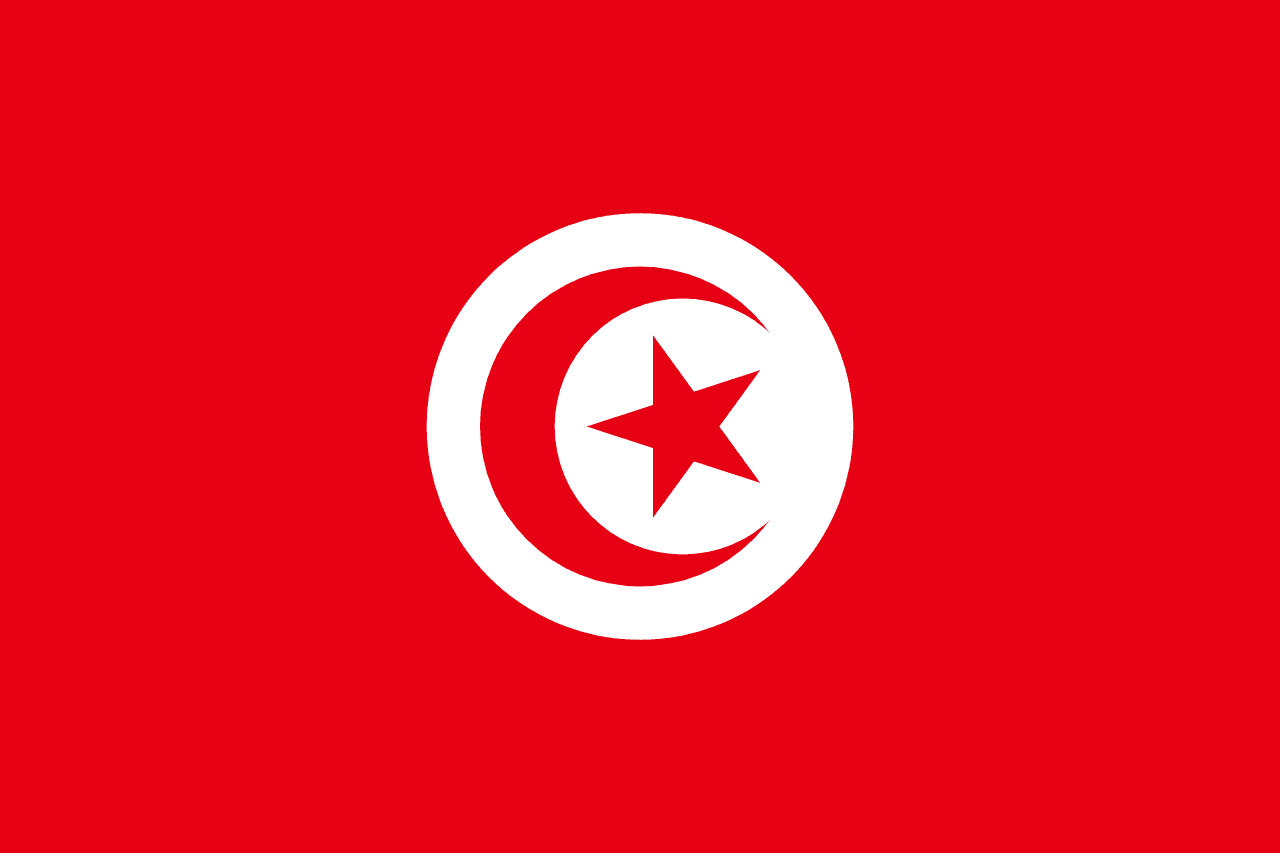
Tunisia is the smallest country in North Africa and one of the most underestimated destinations in the Mediterranean. It sits at a remarkable crossroads — Berber, Phoenician, Roman, Arab, Ottoman and French influences all left major marks on its culture, architecture and food — and the result is a country with more historical layers per square kilometre than almost anywhere in the region. Add Saharan desert, Mediterranean beaches, ancient medinas and a film location that doubled as a galaxy far, far away, and Tunisia demands more attention than it typically receives.
Carthage, just outside the capital Tunis, was one of the ancient world's greatest cities. Founded by Phoenicians from Tyre around 814 BCE, it became a Mediterranean superpower that challenged Rome in the Punic Wars. Hannibal marched elephants over the Alps from here. Rome eventually destroyed the city utterly in 146 BCE, then rebuilt it as a colonial capital. The ruins today — spread across hilltop sites with views across the Bay of Tunis — are more evocative than comprehensive, requiring imagination as much as guidebook, but the tophet (sacrificial precinct), Roman villas with mosaic floors and the Antonine Baths make this one of the Mediterranean's important archaeological sites.
The Bardo National Museum in Tunis holds the world's largest collection of Roman mosaics — room after room of extraordinary pictorial narratives in stone and glass tesserae. Scenes of mythology, daily life, animals and fishing boats cover floors and walls with a richness that makes other mosaic collections seem modest by comparison.
Tunis's medina is a UNESCO World Heritage Site: a continuous web of covered souks selling pottery, brasswork, leather goods, spices and cloth that has operated more or less continuously since the 8th century. The Great Mosque of Zitouna at its centre is one of North Africa's oldest mosques. The blue-painted alleyways of Sidi Bou Said village perched above the bay — white buildings, blue shutters, jasmine-scented lanes — provide a setting of such composure and beauty that it has attracted artists and writers since the 19th century.
Dougga, in the northwest, is arguably the best-preserved Roman site in North Africa: a hilltop town with a Capitol temple, theatre seating 3,500 and streets lined with public buildings in a remarkably intact state. El Jem's Roman amphitheatre — third largest in the Roman world, surpassing even the Colosseum in some measurements — rises from the flat plains of the Sahel in a scale that still confounds expectation.
The south is Sahara. Douz is the gateway, with camel treks into dunes that run south toward Algeria. Chenini, a Berber hilltop village, clings to a cliffside in the Matmata region where troglodyte houses — carved underground into the soft rock — provided locations for Uncle Owen's farm in Star Wars. The salt lake of Chott el Jerid shimmers in mirages across a flat expanse that connects Tunisia's Saharan south to its coastal north.
Tunisian food is excellent: harissa (chilli paste) is the base condiment, used in everything from couscous to merguez sausages to the national sandwich, the fricassee. Brik — a thin pastry filled with egg, tuna and capers, deep-fried — is the essential street snack. Lablabi (chickpea soup) is the preferred late-night and hangover remedy. The olive oil — Tunisia is the world's second-largest exporter — is exceptional.
Tunisia is compact, accessible, affordable and genuinely fascinating. It is a country that rewards the visitor who comes looking for depth rather than just a beach.