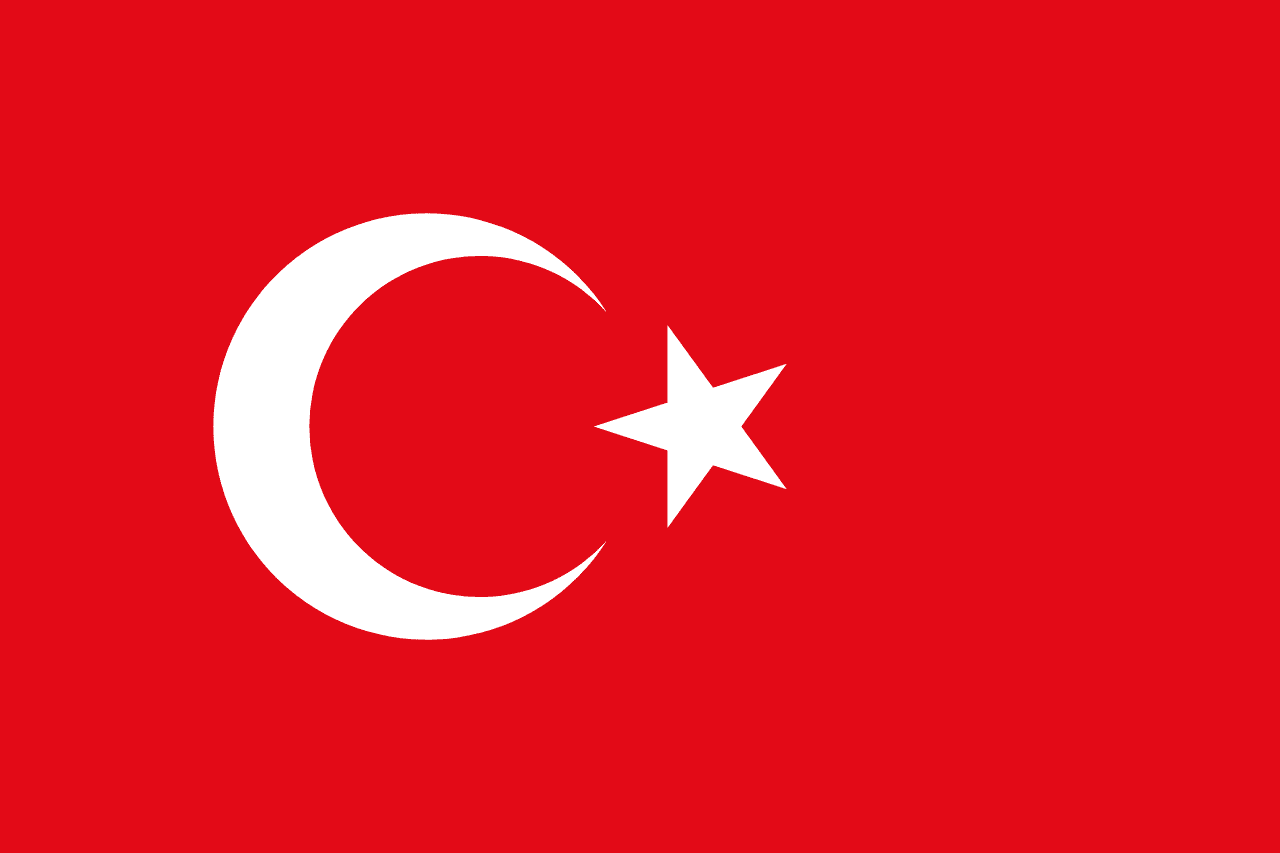
Turkey is a land of profound contrasts and vibrant cultures, where East meets West in a unique blend that shapes everyday life in fascinating ways. Having lived here for several years, I’ve come to appreciate the intricacies of daily routines, the warmth of social customs, and the delicious textures of the food that fills our plates. If you’re curious about what it’s really like to live in Turkey, join me as I take you through the rhythms of life in this beautiful country.
Everyday life in Turkey is a stunning tapestry woven from rich traditions and modern influences. The mornings begin with a soft call to prayer echoing from the minarets, inviting many to start their day with a moment of reflection. For most, morning routines involve a good cup of çay (Turkish tea), a small glass of which can be found in nearly every home. A typical breakfast might include simit (sesame bread), olives, tomatoes, cucumbers, and sometimes a slice or two of beyaz peynir (white cheese). You can easily piece together a hearty breakfast for around 20-30 Turkish Lira (about $1-$1.50), making it an affordable way to start your day.
As the sun climbs higher, the streets of cities like Istanbul or Ankara come alive with the hustle and bustle of daily commutes. Many locals rely on public transportation to navigate the urban landscape; a single journey on the metro or bus costs about 15 Lira (around $0.75). Most people also use the Istanbulkart, a smart card that grants you access to various transport modes, making it convenient and cost-effective.
When it comes to the cost of living, Turkey remains quite affordable compared to many Western countries. Rent varies widely depending on the city—while a one-bedroom apartment in the heart of Istanbul might run you around 6,000 Lira ($300), you can find something for as low as 2,500 Lira ($125) in smaller towns. Utilities, internet, and groceries are also relatively inexpensive. A month’s grocery bill for a family of four might hover around 2,500 Lira, which includes staples like rice, bread, and fresh produce from the local markets.
Food culture in Turkey is a celebration of flavors and communal dining. Turkish cuisine is rich and diverse, influenced by hundreds of years of history and regional variations. From the savory kebabs of the southeastern regions to the seafood dishes of the Aegean, each meal tells a different story. Street food is also a beloved aspect of life here; don’t miss trying a döner kebab or a fresh balık ekmek (fish sandwich) from a vendor near the Galata Bridge for around 40 Lira ($2).
Eating is more than just sustenance; it’s an event. Family meals often last for hours, filled with laughter and conversation. It’s common to gather around the table for dinner, where dishes such as meze (appetizers), dolma (stuffed grape leaves), and a variety of meats are shared. “Afiyet olsun!” is a phrase you’ll often hear, meaning “bon appétit,” and is an essential part of the dining experience.
Social customs in Turkey are deeply rooted in hospitality and respect. Visitors often remark on the warmth of the Turkish people, who are known for their friendliness and eagerness to share their culture. When you enter a home, it’s customary to greet everyone with a firm handshake and a smile. Offering tea or coffee is a sign of hospitality, and refusing can be seen as impolite. If you’re invited for dinner, it’s polite to bring a small gift—perhaps pastries or flowers—to show appreciation.
Family life holds a special place in Turkish society. Families tend to be closely-knit, with multi-generational households being quite common. Sundays are often reserved for family gatherings, where meals are shared, and stories are exchanged. Young children are adored, and parents often prioritize their education and well-being. The phrase “Çocuklar geleceğimizdir” (Children are our future) encapsulates this sentiment beautifully.
Work culture in Turkey can vary significantly between sectors. In larger cities, you’ll find a mix of modern corporate environments and traditional businesses. The workday typically starts around 9 AM and goes on until 6 PM, with a long lunch break often taken around 12:30 or 1 PM. However, in some small businesses, it’s not uncommon to see workers starting their day earlier, especially during the busier summer months when tourism peaks.
Professional relationships tend to be built on mutual respect and often extend beyond the workplace. Casual banter is common, and you may find that personal life and work life often blend together. Phrases like “Nasılsın?” (How are you?) are not just polite inquiries, but genuine interest in one’s well-being.
Weekends in Turkey are a time for relaxation and leisure, and many locals enjoy heading to the seaside or visiting family. Beach towns like Bodrum and Antalya become bustling hubs during the summer months, and it’s common to see families picnicking on the shore or enjoying traditional seaside meals of grilled fish and fresh salads. Many people also take part in outdoor activities, whether it’s hiking in the Taurus Mountains or sipping tea at a café overlooking the Bosphorus.
The weather in Turkey can vary greatly depending on the region. Coastal areas enjoy a Mediterranean climate with hot, dry summers and mild winters, while the central Anatolian region experiences a more continental climate with colder winters and hot summers. In Istanbul, you can expect rainy days in the winter, while summers are humid and lively. This variation in climate shapes the lifestyle; during summer, people flock to the beaches, while winter months see cozy gatherings around the fireplace, often accompanied by a steaming pot of çorba (soup).
Living in Turkey comes with its own set of challenges. While the country is generally safe, there are economic fluctuations that can impact daily life, such as rising inflation rates which sometimes make planning a budget a challenge. Additionally, navigating bureaucracy can often be frustrating; for example, obtaining residency permits or dealing with official paperwork might require patience and persistence.
On the flip side, the positives are numerous. The sense of community is strong, with neighbors often becoming like extended family. There’s an undeniable vibrancy in public spaces, whether it’s the colorful bazaars, lively street markets, or the serene parks filled with people enjoying a day out. The rich history, art, and architecture are ever-present, and there’s always something new to discover.
Foreigners are often surprised by the extent of the cultural richness and the everyday interactions that define life here. The warmth and hospitality can catch you off guard, as can the beauty of the landscapes—from the fairy chimneys of Cappadocia to the idyllic beaches of the Aegean. Many newcomers find the vibrant street life, where vendors hawk fresh produce, simit, and roasted chestnuts, enchanting.
Moreover, the blending of tradition and modernity is a constant source of fascination. You’ll find ancient mosques standing alongside sleek skyscrapers, and the juxtaposition of traditional tea gardens with modern cafés creates a dynamic urban scene.
In the end, life in Turkey is a mosaic of experiences that intertwine the historical with the contemporary. The charm of everyday life—whether it’s sharing a meal with loved ones, sipping tea with friends, or simply walking through bustling street markets—remains unmatched. For anyone considering living in Turkey, know that you’ll be embraced by a culture that values community, rich traditions, and the simple joy of sharing life’s moments together.