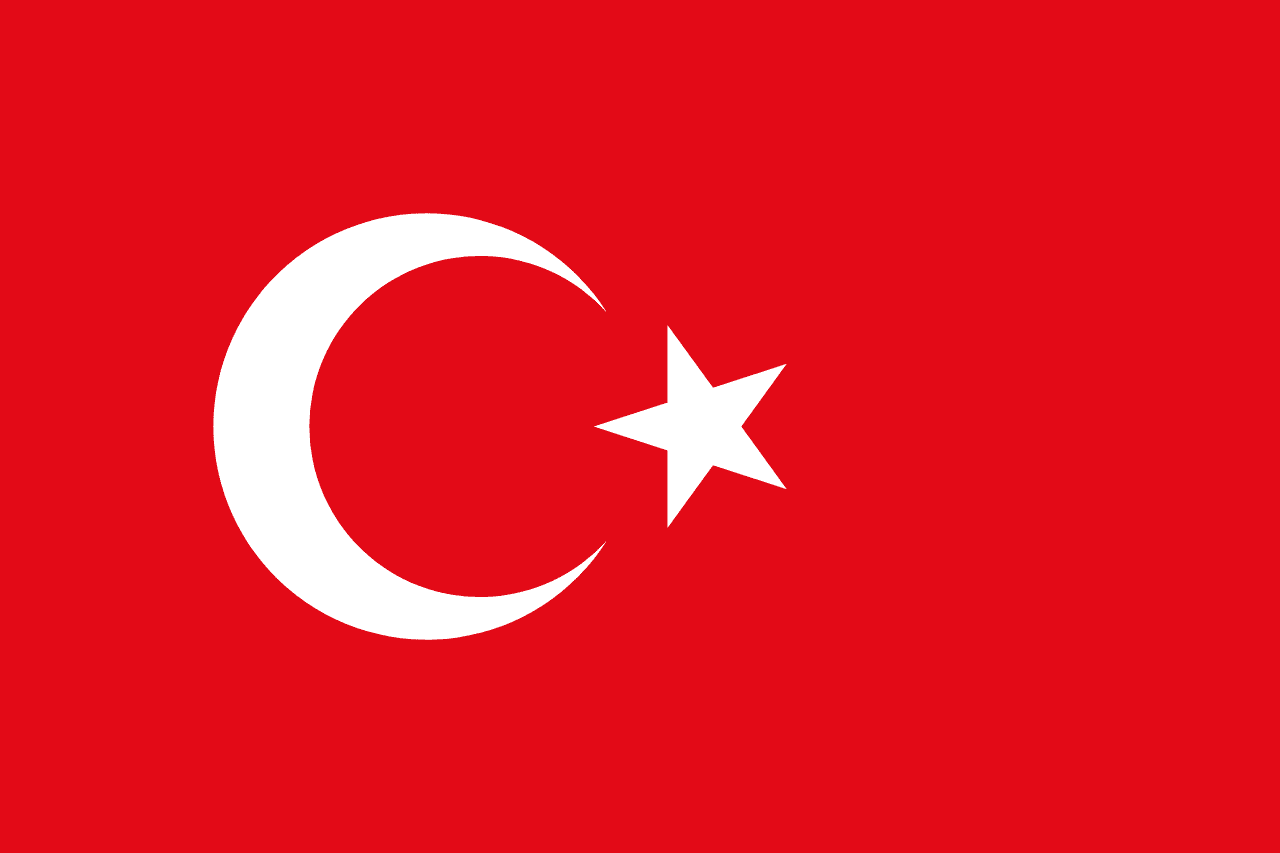
Turkey sits at the hinge between Europe and Asia, and that position — geographical, historical, cultural — makes it unlike any other destination in the world. It has been the seat of the Byzantine Empire, the heart of the Ottoman world, a secular republic that reimagined itself in a generation, a crossroads of trade routes and a land where Greek ruins, Roman highways, Seljuk caravanserais, Christian monasteries and Ottoman mosques share the same hills. The sheer density of civilisation is astonishing.
Istanbul is a city of superlatives. The Hagia Sophia — built by the Emperor Justinian in 537 CE as the world's largest cathedral, converted to a mosque by the Ottomans in 1453, made a museum in 1934 and returned to a mosque in 2020 — is one of humanity's most significant buildings. Its dome appears to float without support above a space suffused with light. The Blue Mosque facing it across the square fills its six minarets each prayer time with overlapping calls to prayer. The Topkapi Palace, home of 36 Ottoman sultans, holds the imperial treasury, the sacred relics and the harem complex in a series of courtyards above the Bosphorus.
The Grand Bazaar — one of the world's oldest covered markets, with more than 4,000 shops in 61 covered streets — has been selling spices, carpets, ceramics, gold and textiles continuously since 1461. Negotiation is part of the transaction, and tea is pressed on you whether you buy or not. The Spice Bazaar by the Golden Horn sells saffron, sumac, dried figs and Turkish delight in colours that make the stalls look like an artist's palette.
Cappadocia, in central Anatolia, looks like a hallucination. Volcanic eruptions millions of years ago created a landscape of tufa rock that erosion has shaped into thousands of towers, cones and chimneys. Early Christians carved entire underground cities — Derinkuyu descends 85 metres through 18 levels — and rock-cut churches painted with Byzantine frescoes into the same soft stone. Hot air balloons rise above the valleys at dawn in one of the world's most photogenic spectacles. Goreme, Uchisar and Urgup offer cave hotels cut into the rock that combine historical atmosphere with modern comforts.
The Aegean and Mediterranean coasts are Turkey's beach spine. Ephesus, the ancient Greek and Roman city near Kusadasi, is one of the best-preserved Roman cities in the world — a full urban plan with library, theatre, temple and brothel intact. Bodrum, Marmaris and Fethiye offer sailing on wooden gulets through coves accessible only by water. The Lycian Way hiking trail follows 500 kilometres of coast through ancient ruins, olive groves and turquoise bays.
Turkish food is one of the world's great cuisines and one of its most accessible. Meze — dozens of small dishes brought before the main course — span raw vegetables, dips, fried mussels, white cheese and marinated fish. Kebabs vary profoundly by region. Pide (Turkish flatbread pizza), manti (tiny dumplings with yoghurt and chilli butter), baklava soaked in syrup and Turkish coffee thick with grounds are daily pleasures. Breakfast — a spread of olives, white cheese, eggs, tomatoes, cucumbers and fresh bread — is the meal that converts visitors into devotees.
Turkish hospitality (misafirperverlik) is genuine and pervasive. Being invited for tea is a cultural reflex, not a sales technique. The Turkish bath (hamam) is a 500-year-old institution of physical and social maintenance that remains entirely functional and deeply satisfying.
Turkey rewards both the history-seeker and the sun-chaser, the city lover and the trekker. It is a country that gives itself generously.