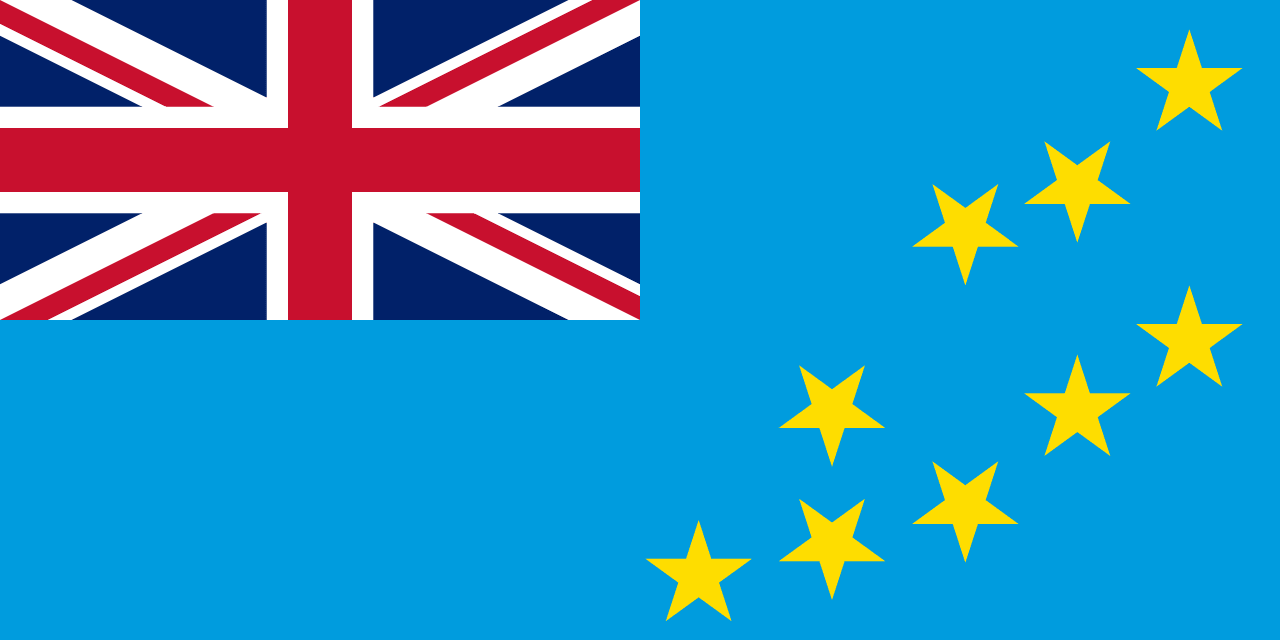
The History of Tuvalu: From Ancient Times to Today
🌐 Translate:
# The History of Tuvalu: From Ancient Times to Today
Nestled in the heart of the Pacific Ocean, Tuvalu is a tiny island nation made up of nine atolls and islands, with a landmass covering just 26 square kilometers. Despite its diminutive size, Tuvalu's history is rich and multifaceted, reflecting the resilience and adaptability of its people. From ancient times to modern independence, the story of Tuvalu is woven with tales of migration, cultural evolution, and environmental challenges.
### Ancient Indigenous History
The history of Tuvalu begins long before the arrival of European explorers. The islands were settled by Polynesian navigators over a thousand years ago, a feat of courage and skill that involved traversing vast ocean distances. These seafaring people brought with them their culture, language, and traditions, laying the foundation for the Tuvaluan identity.
The original settlers were believed to have arrived from the surrounding islands, with some theories suggesting connections to Samoa and Tonga. They brought their agricultural practices, fishing techniques, and social structures, establishing small communities on the islands. Each atoll developed its own distinct customs, but they all shared a deep reverence for the ocean, from which they derived sustenance and identity.
One of the remarkable aspects of Tuvalu's early history is its social organization, which revolved around kinship and communal living. The people practiced subsistence farming, fishing, and gathering. With no centralized government, leadership was often based on familial ties and respected elders. The importance of communal support and cooperation cannot be overstated; in a land where resources were scarce, the survival of the community depended on the collective efforts of its members.
### The Age of Exploration and Colonization
The serene existence of Tuvalu was disrupted in the late 18th century with the arrival of European explorers. In 1764, the first European to sight Tuvalu was the British explorer Captain John Byron, who anchored near the island of Nui. However, it wasn't until the 1800s that the islands began to draw significant attention.
In the early 19th century, missionaries from the London Missionary Society arrived, seeking to spread Christianity and Western education. Their influence was profound, reshaping the cultural landscape of Tuvalu. Many Tuvaluans embraced Christianity, often blending it with their traditional beliefs. The missionaries also introduced schools, which played a crucial role in literacy and education, transforming the islands' social structures.
As the 19th century progressed, Tuvalu became a part of the colonial ambitions of European powers. In 1892, the islands were declared a British protectorate. This period marked a significant shift in Tuvalu's governance and economy. The British established a system of indirect rule, maintaining control while allowing local leaders to retain some authority. This delicate balance often created tensions, as traditional power structures were challenged by colonial interests.
The late 19th and early 20th centuries saw an influx of European traders and planters, who sought to exploit the islands' natural resources, particularly copra (dried coconut meat). This led to a significant economic shift, as many Tuvaluans were drawn into the cash economy, disrupting their traditional subsistence practices. The introduction of wage labor and new crops altered the islands' social fabric.
### World War II and its Aftermath
The impact of World War II on Tuvalu was profound, though the islands themselves were not the sites of major battles. However, the war brought a new wave of external influence, as both American and Japanese forces used the Pacific islands for strategic purposes. The U.S. military established bases on nearby islands, and Tuvaluans found themselves caught in the crossfire of global conflict.
After the war, Tuvalu, then known as the Ellice Islands, entered a period of political awakening. The emerging nationalist movements across the Pacific inspired Tuvaluans to seek greater autonomy. In 1974, Tuvalu embarked on a journey of self-determination when it was joined with the Gilbert Islands (now Kiribati) in a political union known as the Gilbert and Ellice Islands Colony. However, cultural differences and grievances led to a growing desire for independence.
In 1975, following a referendum, Tuvalu separated from this union, and on October 1, 1978, Tuvalu officially became an independent nation. At independence, the islands faced numerous challenges: economic reliance on foreign aid, lack of infrastructure, and limited natural resources. Yet, the newfound independence also ignited a sense of pride and determination among the Tuvaluan people.
### Independence and Modern Formation
Tuvalu's independence heralded a new era of governance. The first prime minister, Tomasi Puapua, focused on building a national identity and establishing international relationships. Tuvalu became a member of the United Nations in 2000, asserting its place on the global stage. The nation was also active in regional organizations, such as the Pacific Islands Forum, seeking to address issues uniquely affecting small island states.
Tuvalu's political landscape has seen its fair share of challenges, with frequent changes in leadership and government stability. The small size of the nation means that personal relationships often play a significant role in politics. This dynamic can lead to a sense of community but also to political instability, as factions form and dissolve.
Economically, Tuvalu faced significant hurdles. With limited agricultural potential and a geographic location that isolated it from major markets, the nation heavily relied on remittances from citizens living abroad, particularly in New Zealand and Australia. Additionally, the government focused on developing a sustainable tourism industry, capitalizing on Tuvalu’s pristine environment and rich cultural heritage.
### Environmental Challenges and Global Awareness
As Tuvalu moved into the 21st century, it became increasingly affected by climate change and rising sea levels. The nation sits just a few meters above sea level, making it one of the most vulnerable countries in the world to the impacts of global warming. Tuvalu’s plight brought international attention to the consequences of climate change, and its leaders emerged as prominent advocates for environmental justice.
In 2007, former Prime Minister Apisai Ielemia delivered a powerful speech at the United Nations, calling for urgent action to combat climate change. His impassioned plea captured the hearts of many around the world, illustrating the existential threat facing Tuvalu and similar island nations. The country has since participated in numerous international climate negotiations, advocating for greater support and recognition of the challenges small island states face.
Despite the daunting challenges, Tuvaluans have shown remarkable resilience. The government and local communities have initiated various adaptation strategies, such as building sea walls, enhancing freshwater management, and promoting sustainable practices. There is a strong sense of unity among Tuvaluans, who rely on their rich cultural heritage as a source of strength and hope for the future.
### Tuvalu Today: Culture and Society
Today, Tuvalu is a nation of about 12,000 people, with a vibrant culture deeply rooted in Polynesian traditions. The official languages are Tuvaluan and English, reflecting the blend of indigenous and colonial influences. Tuvaluans celebrate their cultural heritage through traditional dances, music, and crafts, which are integral aspects of community life.
The island's society remains closely knit, with family ties playing a crucial role in daily life. Community gatherings often revolve around feasts, celebrations, and religious events, reinforcing social cohesion. The importance of respect for elders, communal decision-making, and sharing resources reflects the values that have persisted since ancient times.
In recent years, Tuvalu has sought to promote its cultural identity and heritage through tourism, showcasing its natural beauty and unique traditions. The government is working on sustainable tourism initiatives that align with environmental goals, ensuring that the benefits of tourism reach local communities without compromising their way of life.
### Conclusion
The history of Tuvalu is a testament to the resilience of its people and their ability to adapt to changing circumstances. From ancient Polynesian navigators to modern advocates for climate action, Tuvaluans have navigated the tides of history with strength and grace. As the nation faces the complex challenges of the 21st century, Tuvalu's journey serves as a powerful reminder of the importance of culture, community, and environmental stewardship in the face of adversity.
In an ever-changing world, Tuvalu stands as a beacon of hope, a small nation with a profound message: the fight for survival and identity is universal, and together, we must navigate the future—one wave at a time.