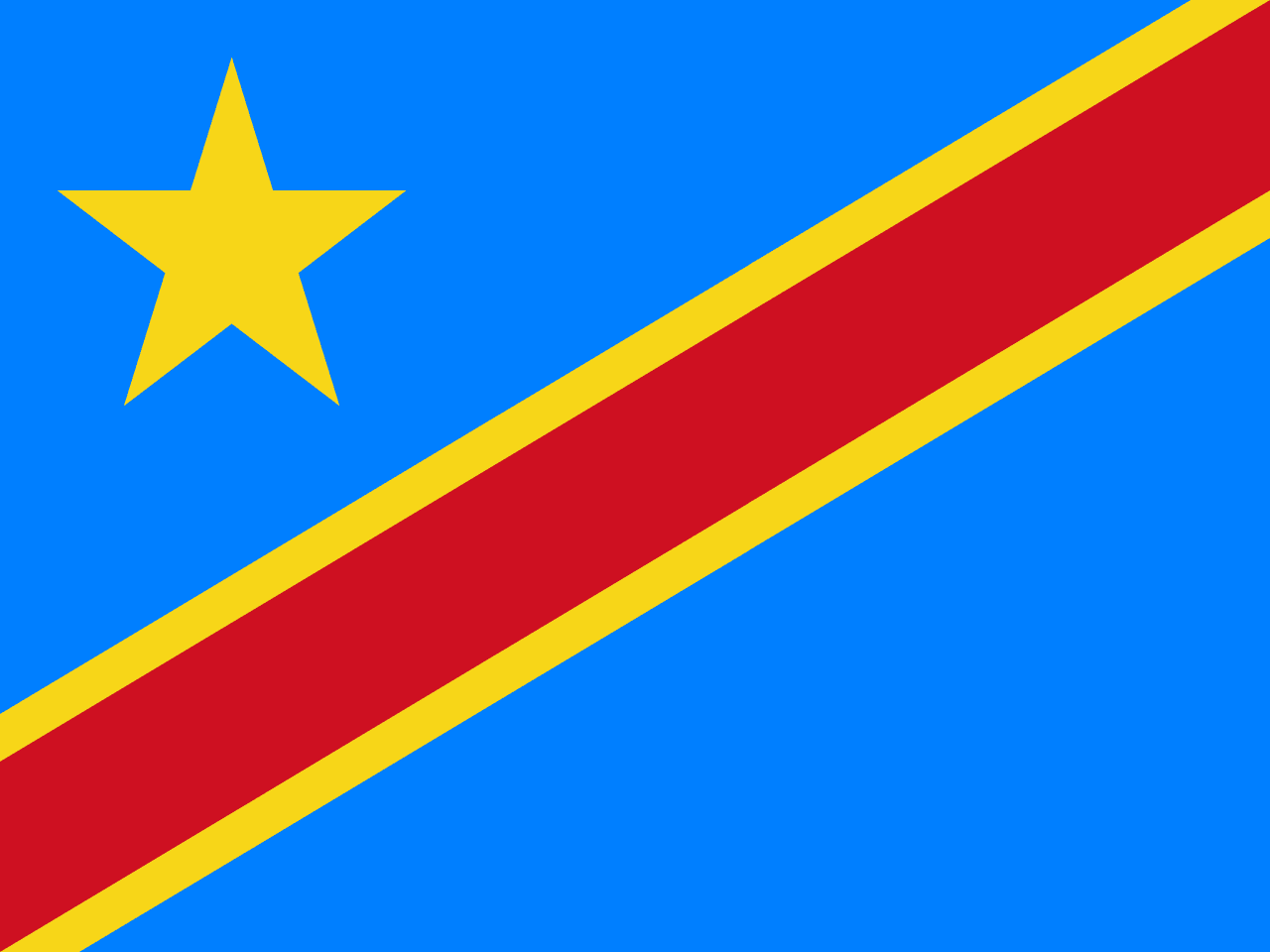
DR Congo: Sapeurs, Rumba Music and the Country the Size of Western Europe
🌐 Translate:
The Democratic Republic of Congo is the second largest country in Africa — roughly the size of Western Europe — and contains the Congo Basin, the world's second largest tropical rainforest after the Amazon, covering over two million square kilometres. The Congo River, the world's deepest river, flows through the centre of the country and is the primary highway of a territory where roads are scarce and the forest is dense beyond comprehension. The biodiversity is extraordinary: bonobos, okapis, forest elephants, and species still being described by science.
Congolese rumba — soukous — is the most influential popular music tradition in sub-Saharan Africa. Originating in Kinshasa and Brazzaville in the 1940s and 1950s, built on Cuban rumba filtered through Congolese sensibility, the music spread across the continent and formed the foundation of dozens of regional popular music traditions from Nairobi to Dakar. The guitar work — particularly the intricate lead guitar style called sebene — is among the most sophisticated in world popular music.
The Sapeurs — the Société des Ambianceurs et des Personnes Élégantes — are men, often from the poorest neighbourhoods of Kinshasa, who dress in extraordinarily expensive and carefully coordinated designer clothing as a philosophy and a practice. La Sape, as the movement is called, began in colonial times as an assertion of dignity against colonial diminishment. The message is explicit: the most elegant person in the room need not be the richest. Elegance is a practice, a discipline, a statement of identity. In a country of extreme poverty, dressing like a king is an act of refusal.