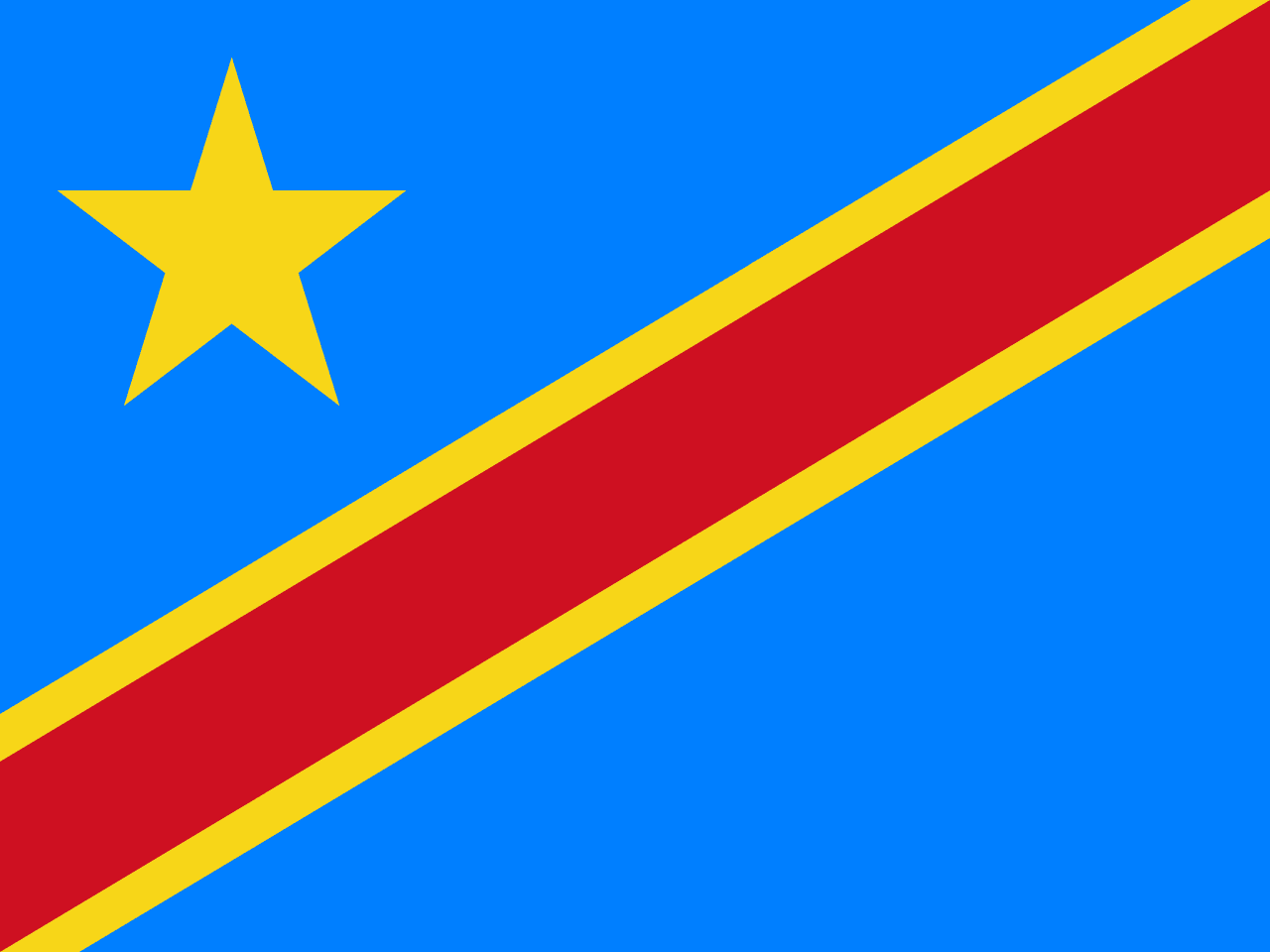
**What It's Really Like to Live in DR Congo**
As I sit down to write about my experiences living in the Democratic Republic of the Congo (DR Congo), I can’t help but smile at the kaleidoscope of colors and sounds that define daily life here. From the bustling markets filled with vibrant produce to the sprawling landscapes where the Congo River flows with grace, life in this vast country is nothing short of extraordinary.
Living in DR Congo is an experience that is layered, complex, and rich with culture. The first thing that strikes you upon waking up is the sound of the world coming to life. The call to prayer echoes from mosques in the distance, mingling with the roars of motorbikes whizzing by and the laughter of children playing outside. Morning in Kinshasa, the bustling capital, often begins with the aroma of freshly brewed coffee or the rich smell of cassava porridge, known locally as “fufu.” For many, breakfast is typically accompanied by a small piece of fried fish or plantains. A simple meal can cost you less than a dollar, but it offers a taste of the heart and soul of Congolese cuisine.
As the sun rises higher, life unfolds with a vibrancy that is both heartwarming and exhilarating. The cost of living in DR Congo varies significantly depending on where you are. In urban areas like Kinshasa or Lubumbashi, rent for a modest apartment can range from $150 to $500, while in rural areas, you can find accommodation for as little as $20. Markets are a central hub of daily life where you can haggle over the price of yams, beans, or plantains with a smile and a greeting. “Sango na yo?” translates to “How is your day?” and is a common phrase that opens conversations, fostering a sense of community among vendors and customers.
Food culture in DR Congo is a tapestry of flavors and traditions. Lunch often consists of “pondu,” a dish made from cassava leaves, paired with grilled chicken or fish, and served with rice or plantains. It’s common to see families gathered around a communal table, sharing not only food but stories and laughter. Eating is a social event, and you’ll find it’s customary to eat with your hands, a practice that fosters a deep connection to the food and the people around you. The average meal at a local eatery can cost between $2 to $5, and it’s not uncommon to see people enjoying their meals at roadside stalls, where the ambiance is filled with the sounds of laughter, lively music, and the sizzling of food on grills.
Social customs are deeply rooted in respect and community. Greetings are a significant part of life here; it’s common to stop and engage in conversation even if you’re just passing by. Personal relationships take precedence, and you might find yourself invited to a neighbor’s house for a meal or celebration, whether you know them well or not. The Congolese are warm and welcoming, and hospitality is woven into the fabric of society. When visiting someone’s home, it’s customary to bring a small gift, perhaps a soft drink or some fruit, as a token of appreciation.
Family life is central to Congolese culture, often extending beyond the nuclear family. Households can include several generations living together, with grandparents taking on the role of caregivers while parents work. Children are cherished, and family gatherings are lively affairs filled with music, dance, and storytelling. “Naza moke” means “I’m small,” a phrase children often use to introduce themselves, which reflects the cultural emphasis on humility and respect. Family bonds are strong, and it’s not unusual for extended families to support one another financially and emotionally.
The work culture in DR Congo is dynamic and often challenging. Many people hustle to make ends meet, whether through formal employment or informal work. The unemployment rate is high, which means creativity and resourcefulness are crucial. Small businesses thrive, from roadside food stalls to artisanal crafts, with many people relying on their entrepreneurial spirit to navigate economic challenges. Salaries can be modest, with many professionals earning around $200 to $600 per month, depending on their field. Bureaucracy can be cumbersome, and it’s not uncommon for transactions, whether in banks or government offices, to take longer than expected. However, the people here adapt with a sense of humor and resilience that is truly inspiring.
Weekends in DR Congo are a time for relaxation and community. Markets become vibrant social hubs as families shop for the week ahead, and parks are filled with families enjoying picnics. Music and dance are integral to Congolese culture, with many people flocking to local clubs or events to enjoy live performances, particularly soukous, a popular genre of dance music that originated from the Congo. It’s also common for families to gather for a meal or to attend church services, which play a significant role in community life. Sunday services are lively, marked by spirited singing and dancing, and you’ll often hear the phrase “Ami, ami!” (Friend, friend!) being shouted among congregants.
The weather in DR Congo is another factor that shapes daily life. The climate is generally tropical, with a rainy season that lasts from October to May. The heat and humidity can be intense, especially in the cities, but the rains bring a refreshing coolness that residents cherish. The sun sets early, around 6 PM, and the evenings are often spent enjoying the cooler air, chatting with neighbors, or listening to music. While the weather can pose challenges—such as flooding during heavy rains—it also nourishes the lush landscapes and supports agriculture, which is vital for many families.
Living in DR Congo is not without its challenges. Infrastructure can be lacking in many areas, with roads becoming muddy and impassable during the rainy season. Access to reliable healthcare is another concern; while urban centers have hospitals and clinics, rural areas may lack basic medical facilities. Education can be inconsistent, with many schools facing overcrowding and limited resources. However, the spirit of the Congolese people is unbreakable. Communities often come together to support one another, whether through informal education initiatives, community health programs, or shared resources.
Despite the challenges, there are many positives to living in DR Congo. The landscapes are breathtaking, from the dense jungles of the east to the serene banks of the Congo River. The sense of community here is palpable, with neighbors looking out for one another, and the vibrant culture is a celebration of resilience and creativity. The art scene is thriving, with local artists expressing themselves through music, dance, and crafts that reflect the country’s rich heritage.
Foreigners often find themselves surprised by the warmth and hospitality of the people here. Many come seeking adventure and leave with lasting friendships and a deeper understanding of the Congolese spirit. The contrasts between urban and rural life can be striking; while cities are bustling with activity, rural areas exude tranquility and a slower pace of life. Moreover, the depth of community connection can be astonishing for outsiders who are accustomed to more individualistic societies.
In conclusion, living in DR Congo is an adventure filled with learning, laughter, and love. The daily rhythms of life here pulse with a sense of vibrancy and resilience that is deeply inspiring. It’s a place where food, family, and community intertwine in beautiful ways, and where challenges are met with determination and a smile. Whether you’re walking through the lively markets of Kinshasa or sitting under the stars in a rural village, the experience of living in DR Congo is a testament to the strength and warmth of its people, leaving an indelible mark on all who call this country home.