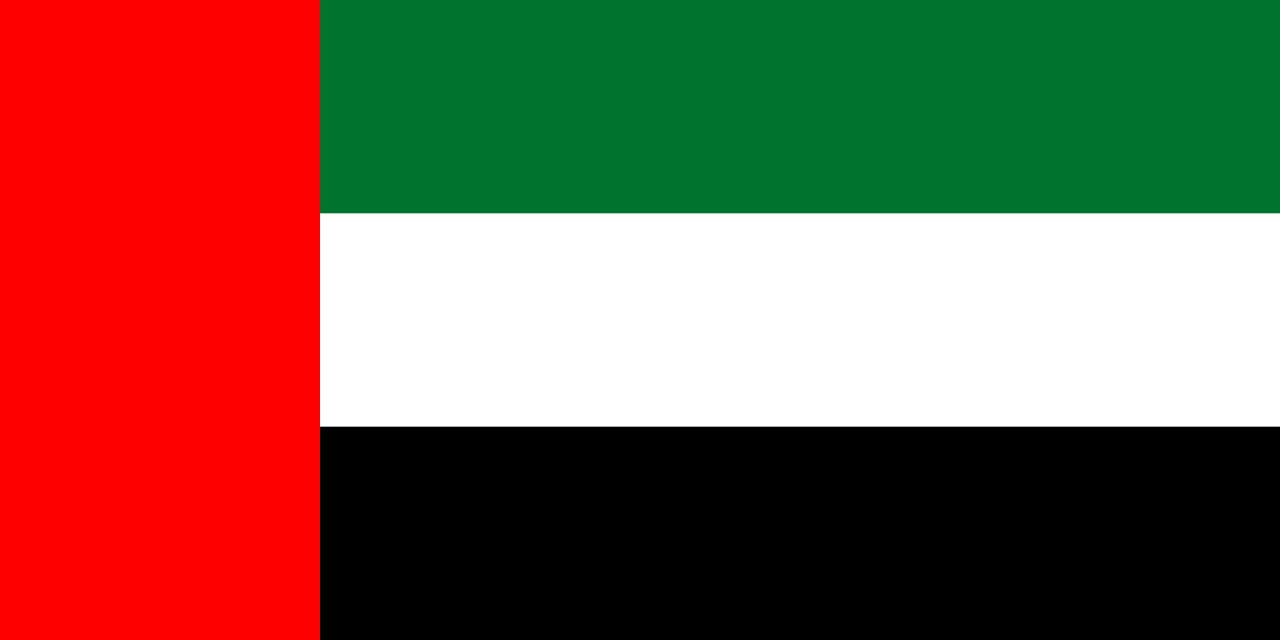
The History of United Arab Emirates: From Ancient Times to Today
🌐 Translate:
## The History of United Arab Emirates: From Ancient Times to Today
### Ancient Roots: The Cradle of Civilization
Long before the glittering skyscrapers of Dubai pierced the sky or the opulent malls of Abu Dhabi dazzled visitors from around the globe, the land now known as the United Arab Emirates (UAE) was a cradle of ancient civilization. Evidence of human presence in the region dates back to the Stone Age, with archaeological finds at sites like Jebel Faya in Sharjah revealing the existence of early human beings who thrived in a harsh desert environment. These early inhabitants were primarily hunter-gatherers, utilizing the abundant coastal resources and fertile oases scattered throughout the arid terrain.
As the centuries turned, the harsh climate could not stifle the creativity and resourcefulness of the people. By 3000 BCE, the people of the region had established themselves as skilled traders, moving goods across the Arabian Peninsula and beyond. The discovery of copper and the subsequent boom in metallurgy heralded the rise of sophisticated societies. The Umm Al Nar culture, which flourished between 2500 and 2000 BCE, left behind impressive burial mounds and evidence of trade with neighboring civilizations, including the Indus Valley. This trade was not just economic; it was a cultural exchange that laid the foundation for the diverse tapestry of ethnicities and religions that would define the region.
### The Age of Empires: The Rise and Fall of Kingdoms
As time marched on, the UAE became a strategic crossroads for empires. The region was home to the ancient kingdoms of Dilmun and Magan, which thrived on maritime trade routes linking Mesopotamia, Persia, and the Indian subcontinent. The coastal cities became thriving ports where merchants exchanged goods like pearls, spices, and textiles.
However, the advent of Islam in the 7th century ushered in a new era. The conquests of the Umayyad and Abbasid Caliphates spread Islam across the Arabian Peninsula and left an indelible mark on the cultural landscape of the UAE. The region became a vibrant center of Islamic scholarship and trade, with towns like Julfar (modern-day Ras Al Khaimah) emerging as focal points in this burgeoning Islamic world.
Yet, with the rise of powerful neighboring empires, such as the Persians and later the Ottomans, the small sheikhdoms that now comprise the UAE faced challenges. The interplay of alliances, rivalries, and conquests characterized this era. The local tribes had to navigate a complex web of political intrigue, often allying with larger powers to safeguard their interests.
### The Colonial Era: The Struggle for Sovereignty
The 19th century marked a period of significant turmoil for the region. As European powers sought to expand their influence, the British Empire emerged as a dominant force in the Gulf. In 1820, the British signed a series of treaties with local rulers that effectively made the area a protectorate of Britain, known as the Trucial States. This was a double-edged sword; while the treaties brought some stability and protection from external threats, they also undermined the autonomy of local leaders.
The discovery of oil in the 20th century transformed the region’s fortunes. The first commercial oil well was drilled in 1950 in Abu Dhabi, and by the 1960s, oil revenues began to flow, bringing unprecedented wealth and modernization to the region. However, this wealth was not without its challenges. The influx of foreign workers and rapid urbanization sparked social changes that transformed traditional ways of life.
### The Birth of a Nation: Unity and Independence
As the British began to withdraw from their commitments in the Gulf in the 1960s, the local rulers realized the necessity of unity. On December 2, 1971, six emirates—Abu Dhabi, Dubai, Sharjah, Ajman, Umm Al-Quwain, and Fujairah—came together to form the United Arab Emirates. A seventh emirate, Ras Al Khaimah, joined the federation shortly thereafter, solidifying the UAE as a unified entity. Sheikh Zayed bin Sultan Al Nahyan, the ruler of Abu Dhabi, became the first president of the UAE, and his vision for a modern, prosperous state forged a national identity that transcended tribal lines.
At the heart of the new nation was a commitment to development and modernization. The wealth generated by oil was channeled into infrastructure, education, and healthcare, laying the groundwork for a prosperous future. The UAE began to emerge on the international stage, hosting events and fostering diplomatic relationships that would boost its global standing.
### The Modern Era: A Global Powerhouse
As the new millennium dawned, the UAE continued to evolve, embracing globalization while maintaining its cultural identity. Each emirate carved out its niche—Dubai as a global tourism and business hub, Abu Dhabi as a center for culture and finance, and Sharjah as a bastion of education and heritage.
One of the lesser-known yet fascinating aspects of the UAE's transformation is the deliberate effort to promote cultural exchange and inclusivity. The establishment of the Louvre Abu Dhabi is a testament to the UAE’s commitment to becoming a cultural melting pot, showcasing art from around the world while fostering a dialogue between cultures.
Furthermore, the UAE has emerged as a leader in sustainability and innovation. The Masdar City project in Abu Dhabi is a shining example of the country’s commitment to sustainable living and green technology, while the UAE’s ambitious space program—including the launch of the Hope Probe to Mars—has placed it on the map as a player in the field of aerospace.
### Key Figures and Cultural Milestones
Throughout its history, the UAE has been shaped by visionary leaders. Besides Sheikh Zayed, other figures, such as Sheikh Rashid bin Saeed Al Maktoum of Dubai, played crucial roles in the federation's early development. Their foresight in investing in infrastructure, education, and healthcare laid the foundation for the country’s rapid advancement.
Culturally, the UAE has always celebrated its rich heritage while embracing modernity. The annual Sheikh Zayed Heritage Festival honors traditional Emirati culture, featuring falconry, camel racing, and traditional music. The UAE National Day on December 2nd is a grand celebration, uniting citizens and expatriates alike in a display of national pride as fireworks light up the skies, and parades fill the streets.
### Today’s UAE: A Tapestry of Cultures
Today, the UAE stands as a beacon of progress and a testament to the power of unity. With a diverse population comprising over 200 nationalities, it reflects a unique blend of cultures, languages, and traditions. The country’s economy has diversified beyond oil, with tourism, finance, and technology driving growth.
However, the UAE is not without its challenges. Balancing rapid modernization with cultural preservation is an ongoing endeavor. The government promotes tolerance and understanding, with initiatives aimed at fostering interfaith dialogue and multiculturalism. The signing of the Abraham Accords in 2020, normalizing relations with Israel, symbolizes the UAE's commitment to peace and cooperation in the region.
As we look to the future, the UAE’s journey from ancient trading ports to a modern global hub is nothing short of remarkable. Its ability to adapt and thrive in the face of change serves as an inspiring model for nations worldwide. In a land where tradition meets innovation, the UAE continues to write its history, one that is rich with promise and possibility.
In conclusion, the United Arab Emirates is not merely a collection of emirates but a tapestry woven from the threads of history, culture, and ambition. From its ancient roots to its modern achievements, the story of the UAE is a testament to the resilience and vision of its people, a narrative that will undoubtedly continue to unfold in the years to come.