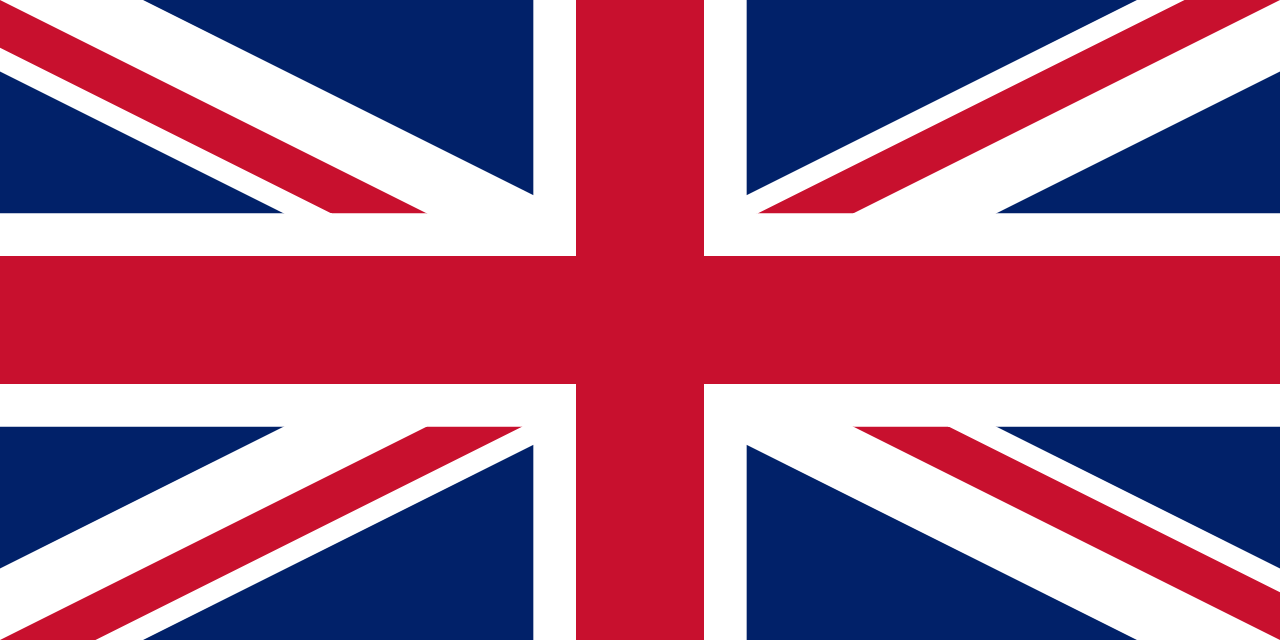
The History of United Kingdom: From Ancient Times to Today
🌐 Translate:
# The History of United Kingdom: From Ancient Times to Today
The United Kingdom, a tapestry woven of diverse cultures, languages, and histories, stands as a testament to the resilience and adaptability of its people. From ancient tribes roaming the misty hills of Britain to a global empire that shaped world politics, the history of the UK is a captivating saga filled with triumphs, trials, and transformations. Let us embark on this journey through time, tracing the remarkable evolution of a nation that has become one of the most influential in the world.
## Ancient and Indigenous History
Long before the Romans set foot on British soil, the islands were inhabited by Celtic tribes. The Celts, known for their intricate art and rich oral traditions, thrived in a landscape dotted with sacred stone circles and mystical groves. These indigenous peoples, with their rich tapestry of cultures, laid the foundations of what would become Britain’s identity.
By the 1st century BC, the Romans were casting their eyes across the English Channel. Julius Caesar made his first forays into Britain in 55 BC, but it was under Emperor Claudius in AD 43 that the Roman conquest truly began. The Romans brought with them a host of innovations, including roads, baths, and an intricate system of governance. They established cities like Londinium (modern-day London), which became centers of commerce and culture. Yet, this era was not without conflict. The Britons resisted Roman rule fiercely, with figures like Boudica, the warrior queen of the Iceni tribe, leading a massive revolt in AD 60. Her story, filled with bravery and tragedy, resonates through time, reflecting the fierce spirit of the locals.
## The Rise of Kingdoms
As the Roman Empire waned and retreated around the 5th century AD, Britain fell into chaos. It was a time of turmoil, as Anglo-Saxon tribes began to invade and establish their own kingdoms. The landscape transformed into a patchwork of territories — Wessex, Mercia, Northumbria, and others — each vying for power and influence. This period saw the emergence of key figures like King Alfred the Great, who successfully defended his kingdom against Viking incursions in the late 9th century. Alfred’s legacy is not merely military; he emphasized education, law, and governance, laying the groundwork for a unified England.
The Viking Age brought both destruction and remarkable cultural exchange. Norsemen raided and settled, leaving an indelible mark on the language and customs of the regions they touched. By the 11th century, England was poised for another transformative chapter, one that would set the stage for its medieval legacy.
## The Norman Conquest and Medieval England
The year 1066 is etched in history as a turning point for England, marked by the Norman Conquest. Duke William of Normandy, claiming a right to the English throne, invaded and defeated King Harold II at the Battle of Hastings. William’s victory ushered in a new era, with the Normans implementing feudalism and altering the socio-political structure of England. Castles sprang up across the landscape, serving both as military strongholds and symbols of Norman authority.
The subsequent centuries saw the establishment of the Plantagenet dynasty and the flowering of medieval culture. The signing of the Magna Carta in 1215, a pivotal moment in the struggle between the monarchy and the barons, laid the groundwork for constitutional governance. It asserted that the king was not above the law, an idea that would echo through the ages. Figures like King Richard the Lionheart and his brother, King John, became legendary, their exploits in the Crusades turning them into iconic figures in English folklore.
Yet, the medieval period was not just a time of kings and knights; it was also a period of profound social change. The Black Death of the 14th century decimated the population, leading to labor shortages and ultimately transforming the relationship between serfs and landowners. The ensuing social mobility would contribute to the gradual decline of feudalism and lay the groundwork for the Renaissance.
## The Tudor Dynasty and the Age of Exploration
The Tudor dynasty, beginning with Henry VII in 1485, heralded a new age of exploration and cultural flowering. Henry VIII's reign is often remembered for his six marriages and his break from the Catholic Church, which sparked the English Reformation. This tumultuous period saw the rise of Protestantism and significant shifts in religious and political power.
However, it was under Elizabeth I, Henry’s daughter, that England truly emerged as a formidable power. The defeat of the Spanish Armada in 1588 solidified England’s naval supremacy and marked the beginning of its global exploration. Sir Francis Drake, one of the greatest sea captains of the age, circumnavigated the globe, while adventurers like Sir Walter Raleigh opened up new territories in the New World. The cultural renaissance during this time, epitomized by Shakespeare’s timeless works, enriched the English language and literature, establishing a legacy that endures to this day.
## The Colonial Period and Empire
The 17th and 18th centuries witnessed the expansion of the British Empire, often described as the largest empire in history, upon which the sun never set. Colonization efforts spread across the Americas, Africa, and Asia, driven by a quest for trade and resources. The establishment of the East India Company marked a significant turning point, allowing Britain to assert control over vast territories in India, navigating complex relationships with local rulers and communities.
However, this expansion came at a significant cost. The transatlantic slave trade, a dark chapter in British history, saw millions of Africans forcibly transported to work on plantations in the Americas. The wealth generated from these colonies fueled the Industrial Revolution, transforming Britain into the world’s leading economic power.
Yet, the 18th century was not just marked by imperial conquests; it was also a time of internal strife. The English Civil War (1642-1651) pitted royalists against parliamentarians, ultimately leading to the brief establishment of the Commonwealth under Oliver Cromwell. This period of upheaval would set the stage for the modern British constitutional monarchy.
## The 19th Century and the Birth of Modern Britain
The 19th century was a time of profound change, characterized by the Industrial Revolution that revolutionized production and urban life. The rise of factories drew people from rural areas to cities, resulting in dramatic social changes. The working class emerged, leading to movements advocating for workers' rights, suffrage, and social reforms.
The Victorian era, named after Queen Victoria who reigned from 1837 to 1901, saw Britain at the pinnacle of its imperial power. This period was marked by a fascination with progress, innovation, and social reform. Figures like Charles Dickens and the Brontë sisters provided critical commentary on social issues, while scientists like Charles Darwin challenged established beliefs with groundbreaking theories.
However, beneath the surface of Victorian prosperity lay significant social challenges. The plight of the working class, women’s rights, and debates over imperialism created a complex landscape of progress and struggle. The suffragette movement gained momentum, with women like Emmeline Pankhurst leading the charge for voting rights, ultimately reshaping British society.
## The World Wars and Their Aftermath
The 20th century brought unprecedented challenges, beginning with World War I, which ravaged Europe and claimed millions of lives. The impacts of this global conflict resonated deeply within Britain, leading to significant changes in society and governance. The interwar period saw economic turmoil, culminating in the Great Depression, which strained the fabric of British life.
World War II further transformed the nation. The Blitz, a relentless bombing campaign by the Germans, tested the resilience of the British people. Yet, it was also a time of unity and innovation, as figures like Winston Churchill emerged as beacons of hope. The war concluded with the establishment of the United Nations and the realization of the need for international cooperation.
The post-war era saw the decolonization of many territories, as nations sought independence from British rule. India, under the leadership of figures like Mahatma Gandhi, achieved independence in 1947, signaling the end of an era for the British Empire. The newly formed National Health Service (NHS) in 1948 became a symbol of the welfare state, reflecting a commitment to social equity and health care for all.
## Modern United Kingdom: Challenges and Triumphs
Today, the United Kingdom is a diverse and dynamic nation, grappling with both opportunities and challenges in a rapidly changing world. The 21st century has seen significant political shifts, most notably the 2016 referendum on European Union membership, known as Brexit. This decision, which led to the UK’s departure from the EU, has sparked intense political debates about identity, sovereignty, and the future of the nation.
Moreover, the UK continues to navigate complex global relationships, balancing its historical ties with the Commonwealth and its role on the world stage. The ongoing conversation about social justice, climate change, and technological advancements shapes the discourse of contemporary British society.
As we reflect on the long and intricate history of the United Kingdom, it becomes clear that this nation is not defined by a singular narrative. Instead, it is a collage of stories, struggles, and triumphs that have shaped its identity. The journey from ancient tribes to a modern global player is a testament to the resilience and adaptability of its people. The history of the UK is a living story, continually evolving and inspiring future generations to forge their own paths in a world that is ever-changing.