America's Diners, Route 66 and the Road Trip as National Mythology
🌐 Translate:
The American diner is the country's most democratic eating institution — a counter, spinning stools, laminated menus, and the same fundamental offer available at any hour: eggs, coffee, pancakes, pie. The diner emerged from the lunch wagon tradition of the late 19th century and became ubiquitous along the highways of 20th-century America. It is the physical expression of the American road — the assumption that you are always moving, always just passing through, and that the next meal will be available, affordable, and generous in portion regardless of where you are.
Route 66 — the highway that ran from Chicago to Los Angeles, decommissioned in 1985, still largely drivable — is the great American road mythology made physical. The motels, diners, and roadside attractions that line it were built by Americans who understood that the promise of the road was not the destination but the movement. The American landscape that Route 66 passes through — the plains of Missouri, the deserts of Oklahoma and Texas, the Painted Desert of Arizona, the Mojave — is the landscape that shaped American culture's relationship to space and the idea that you could simply drive away from your problems into somewhere new.
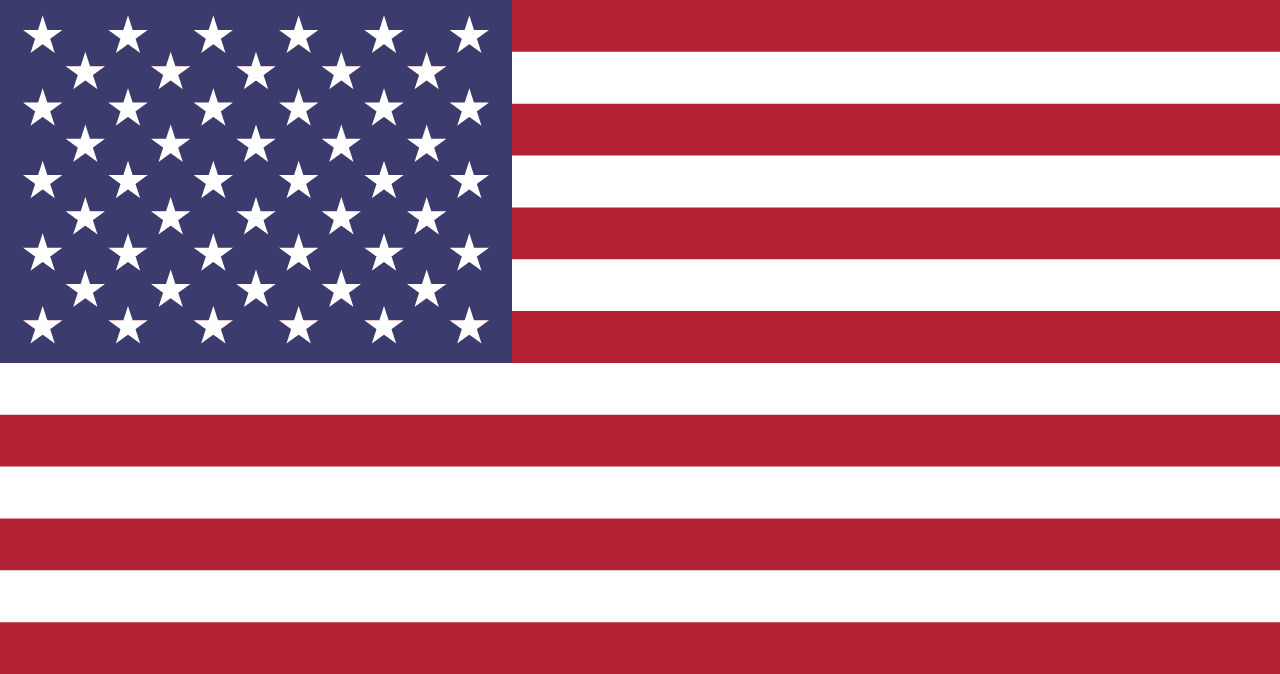
The United States is 50 states, several territories, and 330 million people with competing visions of what the country is and should be. It is simultaneously the country that produced jazz, blues, and hip-hop and the country that produced country music and gospel. The regional cultures of New Orleans, Appalachia, the Rio Grande border, the Pacific Northwest, and New England are as distinct as different countries. What holds them together is the mythology — the flag, the frontier, the idea of freedom — more than any shared specific culture.