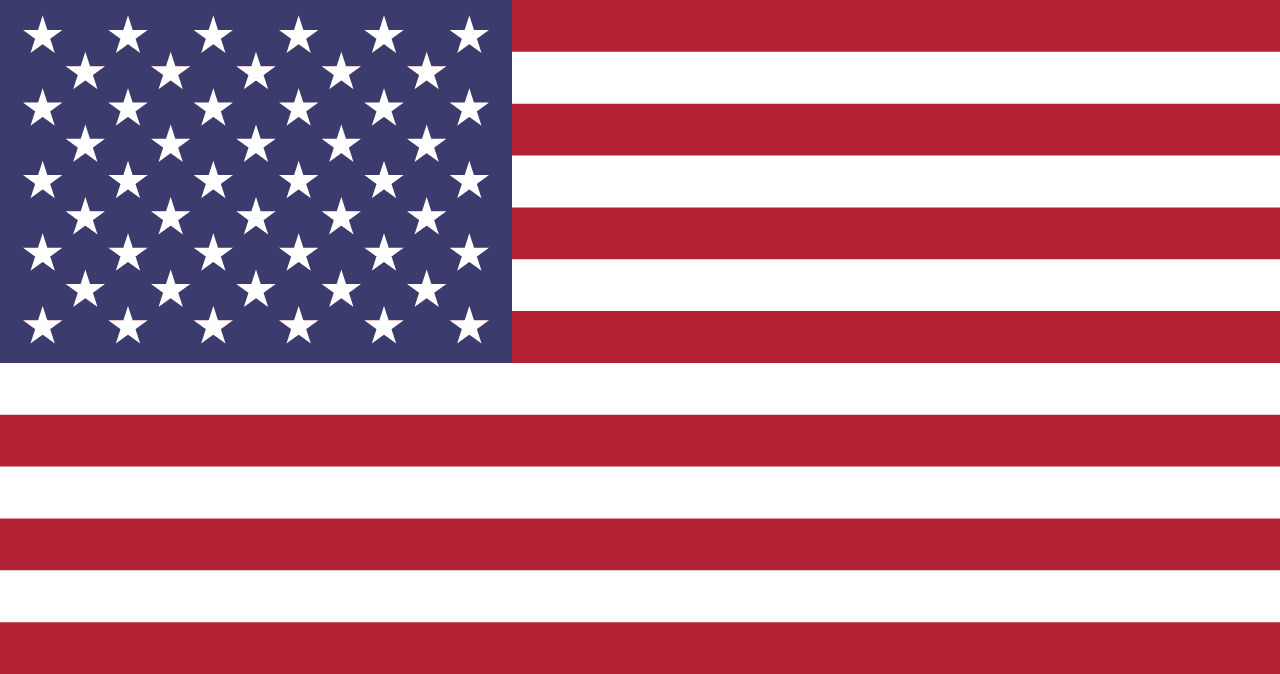
The United States is so large and varied that visiting it defies easy summary. Fifty states, more than 330 million people, climates from Arctic tundra to tropical rainforest, landscapes from the canyon country of the Colorado Plateau to the wetlands of the Louisiana bayou to the volcanic chains of Hawaii — the USA is not one country in any experiential sense. It is a dozen countries sharing a flag, a currency and a myth of itself that is both genuinely inspirational and perpetually contested. That tension is part of what makes it compelling.
The national park system is America's greatest collective achievement and the most accessible way to understand the country's natural scale. The Grand Canyon, carved by the Colorado River over five million years to a depth of 1.6 kilometres, is one of the few natural features that genuinely exceeds its reputation — no photograph prepares you for the spatial experience of standing on the South Rim as the light moves across layered geological time. Yellowstone, sitting over a supervolcano, produces geyser eruptions, boiling mud pools and wildlife concentrations — bear, wolf, bison — that recall what the continent looked like before European settlement. Yosemite's granite walls and waterfalls, Zion's red sandstone canyons, the Tetons' sudden skyline, Death Valley's extreme desert heat, the Redwoods' 100-metre trees that lived before the Norman Conquest — the parks alone justify any visit.
New York City is the world's most photographed, most written about, most filmed urban environment — and it still exceeds what the images prepare you for. Manhattan's vertical density, the diversity of its 8 million residents, Central Park's acreage in the middle of it all, the food from every culture on earth in a five-block radius, the MoMA and the Met and the Brooklyn Museum, the High Line, the jazz in small rooms, the bagels at 3am — it runs at an energy that cities without oceans and rivers and ambition do not.
New Orleans is the US's most culturally distinct city — a place shaped by French and Spanish colonial rule, by the largest slave market in North America, by Haitian Vodou, by Creole and Cajun cooking, by the Mississippi River and the jazz it produced. Bourbon Street's neon is the tourist surface; the second-line parades in the Tremé neighbourhood, the po-boy sandwiches and red beans and rice, the live jazz in Frenchmen Street bars, and the city's black American cultural depth are the substance.
The American Southwest — Utah's canyon country, Arizona's Monument Valley, New Mexico's adobe towns — is a landscape that painters, photographers and road-trippers have been pursuing for over a century without exhausting. Route 66, the Pacific Coast Highway, the Blue Ridge Parkway, the Going-to-the-Sun Road in Glacier National Park — America's roads are themselves part of the experience.
Nashville for country music, New Orleans for jazz and blues, Memphis for soul, Chicago for deep-dish pizza and architecture and blues, San Francisco for the Pacific, the bridge and the Mission District taquerias, Los Angeles for the desert light and the movie culture, Austin for barbecue and live music — the regional cultures are distinct and seriously developed.
American food ranges from the terrible to the extraordinary in close proximity, but the barbecue traditions of the South (low, slow-smoked brisket, pulled pork, ribs), the New England lobster roll, the New York pizza slice, the California taco truck and the Hawaiian plate lunch all represent genuine regional cuisines of real merit.
The United States is too big to know fully. That is the invitation.