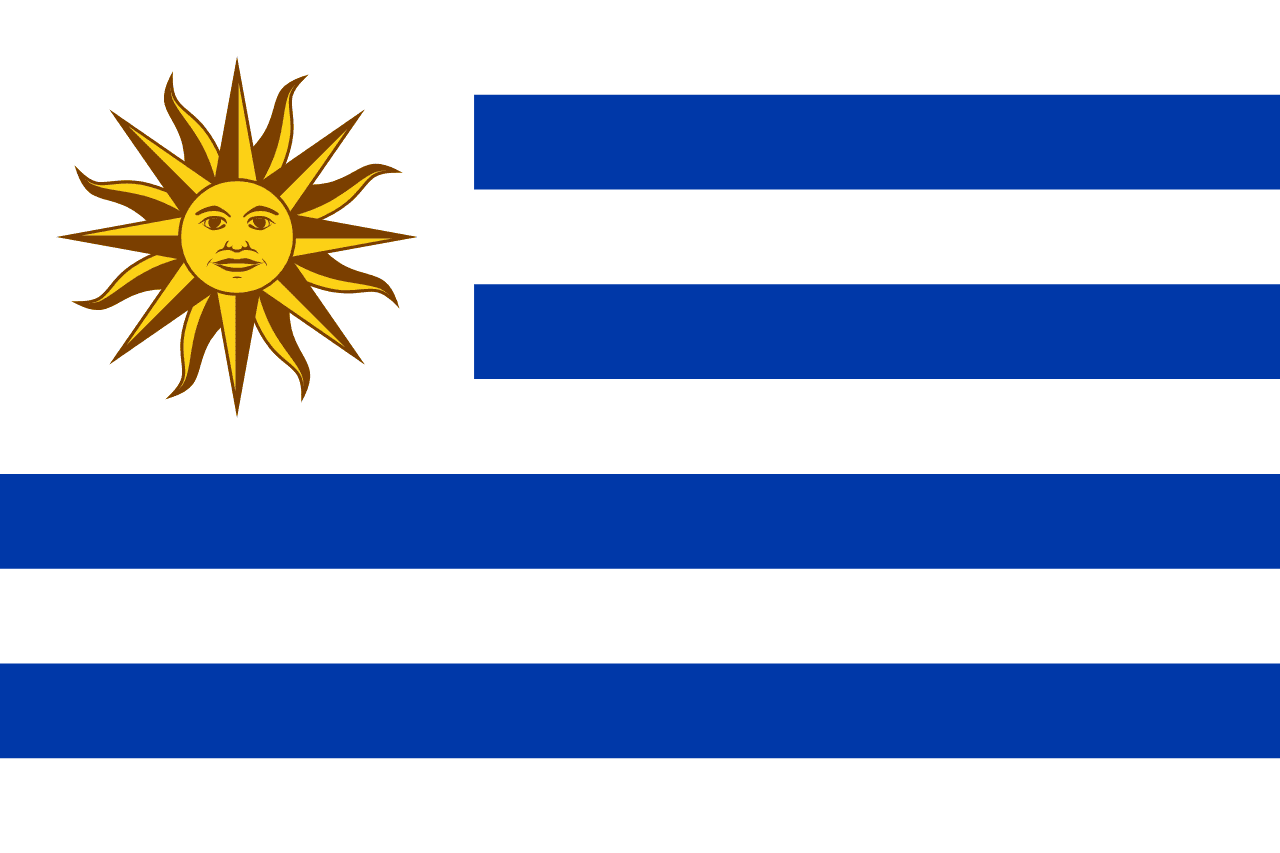
Uruguay is South America's best-kept secret — a small, prosperous, stable country wedged between Brazil and Argentina that manages to be simultaneously laid-back and sophisticated, traditional and progressive, Atlantic beach country and gaucho grassland. It receives a fraction of the visitors of its neighbours and gives back more than it gets credit for.
Montevideo, the capital, is a city that rewards the traveller who slows down. The old city (Ciudad Vieja) has the patina of genuine age — art deco cinemas, peeling colonial facades, the Mercado del Puerto food market where parrilla (charcoal grill) restaurants produce asado (grilled beef) at a standard that makes clear why Uruguayans consider themselves, alongside Argentines, the rightful masters of South American grilling. The beef is exceptional: grass-fed on pampas pasture, cooked over wood coals by experts who consider the grill a form of art.
The Rambla — an 18-kilometre coastal promenade running the length of Montevideo's waterfront from Ciudad Vieja to the residential suburbs — is where Montevideans exercise, fish, argue, watch the sunset and practice candombe, the Afro-Uruguayan drumming tradition declared a UNESCO Intangible Cultural Heritage. Evening on the Rambla, with the wide estuary of the Rio de la Plata turning gold as the sun drops, captures something essential about the city's relationship with its waterfront and its own unhurried pace.
Colonia del Sacramento, 180 kilometres west of Montevideo, is a Portuguese colonial town founded in 1680 facing Buenos Aires across the river. Its UNESCO-listed old quarter — cobbled streets, whitewashed walls, bougainvillea-covered ruins and a lighthouse — is compact, beautiful and very easy to reach as a day trip from Buenos Aires by fast ferry across the river.
The Atlantic coast east of Montevideo leads through a series of beach towns that transform from quiet resorts in winter to genuinely spectacular beach culture in January and February. Punta del Este is the most famous — a high-end resort town on a peninsula whose downtown beach becomes one of South America's most theatrical social stages in summer. La Brava (the wild Atlantic side) and La Mansa (the calmer bay side) give it a split personality that appeals to different moods. The giant sculpted hand emerging from the sand at Playa Brava is one of South America's most recognised art installations.
North of Punta del Este, the pace drops and the coast becomes genuinely beautiful: Punta del Diablo is a fishing village that has grown into an alternative-minded beach community without losing its weathered charm. Cabo Polonio — accessible only by 4WD or on foot — is a cluster of houses without mains electricity or road access on a sand spit between lagoon and ocean, its lighthouse and sea lion colony giving it a wildness entirely at odds with its neighbour's glamour.
Uruguay's interior is gaucho country — flat, grassy pampas where cattle ranches (estancias) have operated in essentially the same form since colonial times. Staying at a working estancia involves asado, horse riding, watching mate (herbal tea) being prepared from a gourd passed around in a genuine act of social bonding, and understanding that cattle culture here is not a performance but an economic and social reality.
Uruguay legalised same-sex marriage in 2013, cannabis for recreational use in 2013, and abortion in 2012 — social policies that make it one of the world's most progressive societies, sitting somewhat at odds with its conservative image and entirely consistent with its own estimation of itself as a sensible, humane country.
Small, safe, gentle and excellent — Uruguay is exactly what it appears to be.