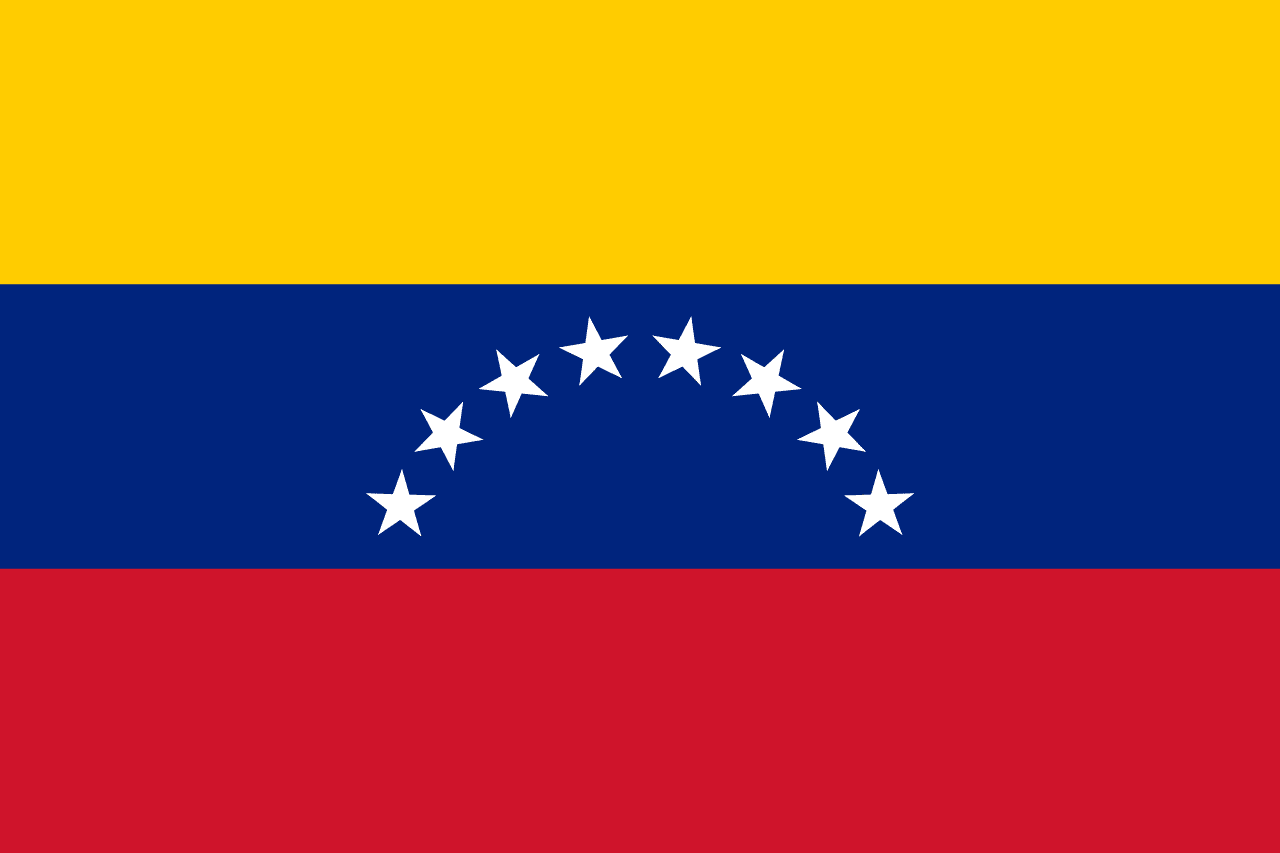
Venezuela is a land of stunning contrasts, from its breathtaking landscapes that range from the Andean mountains to the Caribbean coast, to its rich tapestry of cultures that have influenced its culinary scene. The food of Venezuela is a vibrant reflection of its history, where Indigenous, African, and European flavors coalesce into tantalizing dishes that tell the story of the people. Every meal feels like a celebration, a gathering of family and friends around the table, sharing laughter and love over plates that are brimming with flavor. As I embarked on my culinary adventure across this beautiful country, I discovered that Venezuelan cuisine is as diverse as its geography, presenting a delightful array of flavors, textures, and aromas. Here are ten traditional dishes that encapsulate the heart and soul of Venezuelan food, each one a must-try on your gastronomic journey.
First on the list is **arepas**, perhaps the most iconic of Venezuelan dishes. These cornmeal cakes are the backbone of the Venezuelan diet and come in various shapes and sizes. The dough is made from white or yellow corn flour mixed with water and salt, then shaped into rounds and grilled, baked, or fried. Arepas can be split open and filled with a myriad of fillings, ranging from shredded beef (carne mechada) to black beans and cheese, or even avocado. The flavor is subtly sweet, with a crispy exterior giving way to a soft, warm interior. You can find arepas everywhere—from bustling street stalls in Caracas to cozy family-run restaurants in small towns. Each region offers its unique twist on the filling, making every bite a delightful exploration of local tastes. One of my favorite arepa experiences was at a small roadside stand where the owner, a cheerful grandmother, filled my arepa with a rich, savory mixture of shredded chicken and avocado that was so comforting, I didn’t want to leave.
Next, you can’t miss **pabellón criollo**, often considered the national dish of Venezuela. This hearty meal consists of shredded beef, black beans, rice, and fried plantains. The beef is typically slow-cooked with spices until it’s tender and flavorful. The combination of the savory beef, the creamy black beans, and the sweetness of the fried plantains creates a harmony of flavors that is simply irresistible. It’s a dish that embodies the spirit of Venezuelan hospitality, often enjoyed during family gatherings or festive occasions. In bustling cities like Maracaibo or Valencia, you can find pabellón served in restaurants adorned with vibrant murals, celebrating the country’s rich culture. I remember my first taste of this dish at a local eatery, where the owner told me that every family has its own secret recipe, passed down through generations. The love and care put into each plate were palpable, and it made the experience all the more special.
As I continued my culinary journey, I encountered **hallacas**, a traditional dish particularly enjoyed during the Christmas season. Hallacas are similar to tamales, made from corn dough filled with a mixture of meats, olives, raisins, and capers, all wrapped in banana leaves and boiled to perfection. The flavor profile is complex, with hints of sweetness from the raisins and a savory depth from the meats, creating a perfect balance. Making hallacas is often a communal activity, with families coming together to prepare them in large batches, making it a cherished holiday tradition. I had the pleasure of joining a local family as they prepared hallacas for their Christmas feast, learning about the stories and memories that each ingredient carried. The laughter and joy shared in the kitchen were as delicious as the hallacas themselves, and I left with a heart full of warmth and a taste of the holiday spirit.
Another delightful dish worth tasting is **tequeños**, which are essentially cheese-filled pastries that are deep-fried to golden perfection. They are crispy on the outside and ooey-gooey on the inside, often served with a side of creamy guasacaca, a Venezuelan avocado sauce. Tequeños are a popular snack at parties and gatherings and are often enjoyed with a cold beer or soft drink. The crunchy exterior gives way to the rich flavor of the cheese, making them a perfect appetizer or snack. I stumbled upon a street vendor in Caracas, where the tequeños were fresh out of the fryer. The vendor’s smile was as wide as the tasty treats he was serving, and each bite felt like a celebration of life—a perfect start to a night out in the vibrant city.
The next gem on my culinary expedition was **asado negro**, a dish that showcases the influence of Spanish cuisine in Venezuela. This succulent beef roast is marinated and slow-cooked in a rich, dark sauce made from vinegar, sugar, and spices, resulting in a caramelized exterior and tender meat that melts in your mouth. The dish is often served with rice and fried plantains, making it a comforting and indulgent meal. Asado negro is often prepared for special occasions and family gatherings, showcasing the love and effort put into Venezuelan cooking. During a visit to a quaint family restaurant in Los Llanos, I was fortunate enough to enjoy asado negro in a rustic setting. The owner shared stories of how his grandmother used to prepare this dish for Sunday family dinners, and each bite seemed to carry the warmth of those cherished memories.
I also discovered **arepas de choclo**, a variation of the traditional arepa that showcases the sweet side of Venezuelan cuisine. Made from fresh corn, these arepas are thicker and sweeter than their counterparts, often filled with cheese or enjoyed with butter. The result is a deliciously sweet and savory combination that makes for an irresistible breakfast or snack. I found them at a bustling market in Mérida, where vendors lined the streets with grills, serving up piping hot arepas de choclo that filled the air with their sweet aroma. The first bite was pure bliss, the sweetness of the corn paired with the richness of the cheese was a delightful surprise that had me coming back for more.
As I wandered further into the culinary landscape of Venezuela, I encountered **patacones**, which are twice-fried green plantains that are smashed into discs before being fried again to achieve that perfect crunch. These delectable bites are often served as a side dish or topped with various ingredients, such as shredded beef or seafood. The flavor is mild yet distinct, allowing the toppings to shine. Patacones are especially popular in coastal regions, where fresh seafood is abundant. I sampled them at a beachside shack in La Guaira, where the owner topped my patacones with fresh ceviche. The combination of the crunchy plantains and zesty seafood was a match made in heaven, and it felt like a true taste of the coastal Venezuelan experience.
No culinary exploration of Venezuela would be complete without mentioning **dulce de leche**, a rich caramel-like dessert that is beloved throughout the country. Made by slowly heating sweetened milk until it thickens and turns a beautiful caramel color, dulce de leche is used as a filling in pastries, drizzled over desserts, or eaten straight from the jar. The sweet, creamy flavor is addictive, and it beautifully showcases the country’s love for desserts. I enjoyed it at a local bakery in Caracas, where I found a delightful pastry filled with dulce de leche and topped with powdered sugar. It felt like a sweet hug after a day of exploring, and I couldn’t resist going back for seconds.
Finally, I couldn’t leave Venezuela without trying **vino tinto**, a rich, hearty drink made from fermented sugar cane. This sweet beverage is a staple in many Venezuelan homes and is often enjoyed during celebrations and gatherings. It’s usually served in a generous glass and has a flavor profile akin to a light wine, but with a distinctly sugary kick. I was introduced to vino tinto at a lively fiesta in a small town, where locals gathered to dance and share stories. Sipping on the sweet drink while surrounded by laughter and music was a moment I will always cherish—a true testament to the vibrant social culture of Venezuela.
As my culinary adventure in Venezuela came to an end, I was left with a profound appreciation for the richness of its food culture. From bustling markets where vendors passionately serve up traditional dishes to street stalls that entice with their aromas, the best food can be found in every corner of this beautiful country. Whether you’re enjoying a warm arepa on a busy Caracas street or indulging in a hearty pabellón at a family-run restaurant, the warmth and hospitality of the Venezuelan people shine through in every bite. This culinary journey has not only tantalized my taste buds but has also forged connections with the welcoming souls who share their culinary heritage with pride. As you explore Venezuela, let the food lead you on an unforgettable journey—a journey of flavors, stories, and the love of a culture that celebrates life through its cuisine.