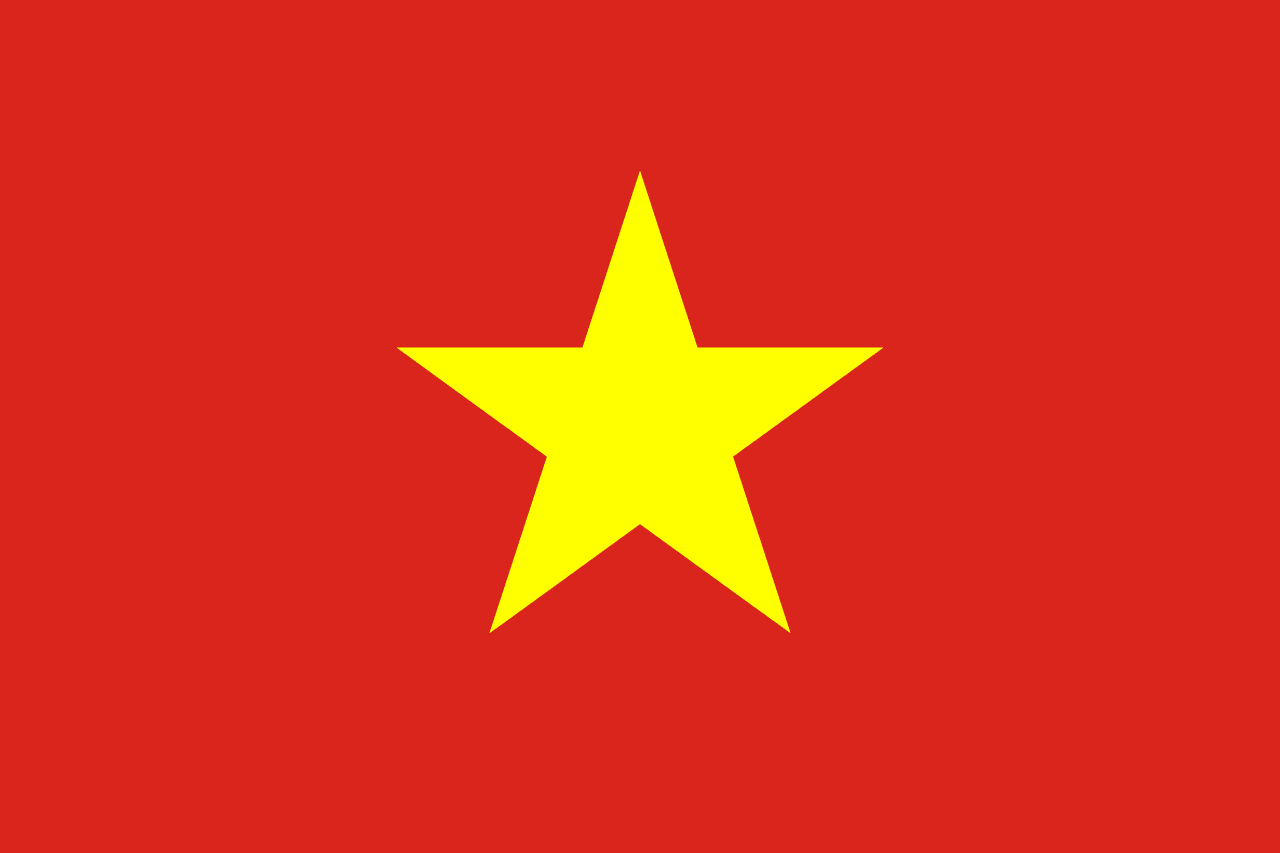
The History of Vietnam: From Ancient Times to Today
🌐 Translate:
# The History of Vietnam: From Ancient Times to Today
Vietnam, with its lush landscapes, sweeping rice terraces, and a coastline that seems to stretch on forever, is a country steeped in a rich cultural tapestry woven over thousands of years. This narrative of Vietnam is not just a story of wars and conquests; it is a tale of resilience, innovation, and a profound connection to its land and people. Join me as we traverse through the ages, exploring the eras that have shaped Vietnam into the vibrant nation it is today.
## Ancient Beginnings: The Land of the Dragons
The roots of Vietnamese history trace back over 4,000 years to the Red River Delta, where the earliest inhabitants, the Austroasiatics, thrived in a landscape abundant with flora and fauna. By around 3000 BCE, these early settlers formed the first known civilization: the **Dong Son culture**, renowned for its intricate bronze drums and sophisticated agricultural practices. The legendary figure of **Lạc Long Quân**, often referred to as the Dragon Lord, is said to be one of the founders of the Vietnamese people, marrying the fairy princess **Âu Cơ** and giving birth to a hundred children. This myth encapsulates the duality of Vietnam’s identity — a harmony of earthly resilience and ethereal beauty.
As we step into the first millennium BCE, the **Hùng Kings** emerged, establishing the **Hồng Bàng dynasty** around 2879 BCE. These kings are venerated as the progenitors of the Vietnamese nation, and the annual **Hùng Kings Festival**, celebrated on the 10th day of the third lunar month, pays homage to their legacy. The Hùng Kings united various tribes, laying the groundwork for what would become the Vietnamese state, and solidifying the culture with rituals, agricultural practices, and communal governance.
## The Age of Empires: From the Chinese to the Champa
As the centuries rolled on, Vietnam found itself at the crossroads of greater empires. In 111 BCE, the Han Dynasty from China invaded and incorporated Vietnam into its vast imperial domain, marking over a millennium of Chinese influence that would shape the Vietnamese language, philosophy, and governance. This period, while fraught with oppression, also forged a resilient spirit among the Vietnamese people, with notable figures like **Trần Hưng Đạo** leading uprisings against Chinese rule in the 13th century.
The **Lý and Trần dynasties (1009-1400)** signified a golden age for Vietnam. The Lý dynasty established a centralized government, promoted Buddhism, and shifted the capital to Thăng Long (modern-day Hanoi). The Trần dynasty is best remembered for its remarkable military victories against the Mongol invasions in the 13th century, where figures such as **Trần Hưng Đạo** became national heroes.
Meanwhile, to the south, the **Champa Kingdom** flourished, characterized by its unique culture and trade connections to India. The Cham people, skilled in maritime trade and architecture, left an indelible mark through their stunning temples, such as the ruins of **My Son**, showcasing the rich interactions between cultures. However, over time, the rising power of the Vietnamese kingdoms, particularly the Đại Việt under the Lý and Trần dynasties, would gradually absorb Champa territory, leading to conflicts that culminated in 1471 with the fall of the Champa capital, Vijaya.
## Colonial Era: The French Indochina
The 19th century heralded a new and tumultuous chapter in Vietnam’s history as the French colonialists began their encroachment in the 1850s. Under the guise of protecting trade interests and spreading Christianity, France established control over Vietnam, marking the beginning of a century of colonial exploitation. The beauty of Vietnam was marred by the imposition of a foreign regime that sought to manipulate its resources and suppress its culture.
Despite the oppressive atmosphere, this era also sparked a burgeoning sense of nationalism. Figures such as **Phan Bội Châu** emerged, advocating for independence and inspiring movements across the nation. The **Duy Tân movement** and later, the **Vietnamese Nationalist Party** laid the groundwork for future resistance. The 1930s saw a significant rise in labor movements and anti-colonial sentiments, driven by the harsh realities of colonial rule and the economic struggles of the Vietnamese people.
The devastation of World War II further destabilized French rule, creating a power vacuum that would lead to the resurgence of nationalist sentiments. The **August Revolution of 1945**, led by **Hồ Chí Minh** and the Việt Minh, marked a pivotal turning point. With the Japanese surrender, Hồ Chí Minh declared Vietnam’s independence on September 2, 1945, a moment celebrated annually as **Vietnam’s National Day**.
## The Divided Nation: Wars and Struggles
Independence, however, was short-lived. The struggle between the Việt Minh and returning French forces ignited the **First Indochina War**, culminating in the historic **Battle of Điện Biên Phủ** in 1954. The victory of the Việt Minh not only forced the French to withdraw but also led to the Geneva Conference, which divided Vietnam at the 17th parallel into North and South, creating a geopolitical landscape ripe for conflict.
In the North, under Hồ Chí Minh’s leadership, the Democratic Republic of Vietnam (North Vietnam) was established, promoting communist ideals. In contrast, the Republic of Vietnam (South Vietnam), backed by the United States, adopted a capitalist framework. This division laid the groundwork for the **Vietnam War**, a prolonged and devastating conflict that would claim millions of lives and drastically alter the nation’s course.
The war, characterized by guerrilla warfare, the extensive use of chemicals like Agent Orange, and global protests against U.S. involvement, became emblematic of the broader Cold War tensions. Figures such as **General Võ Nguyên Giáp** and **Nikita Khrushchev** played crucial roles in the strategic maneuvers of this conflict. The fall of Saigon on April 30, 1975, symbolized the end of the Vietnam War and the reunification of Vietnam under communist rule, giving rise to the Socialist Republic of Vietnam.
## Rebuilding and Renewal: The Doi Moi Era
The years following reunification were fraught with challenges as the country grappled with war’s aftermath. The economy was in shambles, and diplomatic relations were strained. In response, the Vietnamese government introduced the **Đổi Mới** (Renovation) policy in 1986, transitioning from a centrally-planned economy to a socialist-oriented market economy. This pivotal reform set the stage for unprecedented economic growth and development.
As barriers lifted, Vietnam became an attractive destination for foreign investment, leading to a surge in manufacturing and trade. The Vietnamese people embraced entrepreneurship, revitalizing the agricultural sector and fostering a dynamic business environment. The bustling streets of Ho Chi Minh City and Hanoi today reflect this economic transformation, where traditional markets sit alongside modern skyscrapers, embodying a blend of past and present.
## Vietnam Today: A Nation of Resilience and Hope
Today, Vietnam stands as a testament to resilience and adaptation. With a population exceeding 97 million, the country boasts one of the fastest-growing economies in Asia, driven by industries such as textiles, technology, and tourism. The vibrant streets filled with motorbikes, the wafting aroma of street food, and the warm hospitality of its people attract millions of tourists and business leaders alike.
Vietnam’s rich cultural heritage, a fusion of Indigenous traditions and foreign influences, continues to inspire artistic expressions, from intricate silk paintings to contemporary literature. Festivals celebrating the Lunar New Year, Tet, and the Mid-Autumn Festival are lively and colorful, a reflection of the deep-rooted customs that thrive amidst modernization.
In recent years, Vietnam has emerged as a key player on the global stage, engaging in diplomatic relations with various nations and becoming a member of organizations like the ASEAN and the World Trade Organization. As the country grapples with challenges such as climate change and urbanization, its commitment to sustainable development is evident in initiatives aimed at preserving its natural beauty while fostering economic growth.
## Conclusion
The history of Vietnam is a narrative that interweaves triumph and tragedy, innovation and tradition. From its ancient beginnings steeped in myth to its struggles against colonial powers and its remarkable transformation in the modern era, Vietnam embodies a spirit of resilience that continues to inspire. As the nation moves forward, embracing both its rich history and vibrant future, it remains a testament to the enduring power of identity, culture, and the human spirit.
In every corner of Vietnam, from the bustling markets to the tranquil rice paddies, the echoes of its past resonate, reminding us that history is not merely a series of events, but a living tapestry that continues to shape the present and inspire the future.