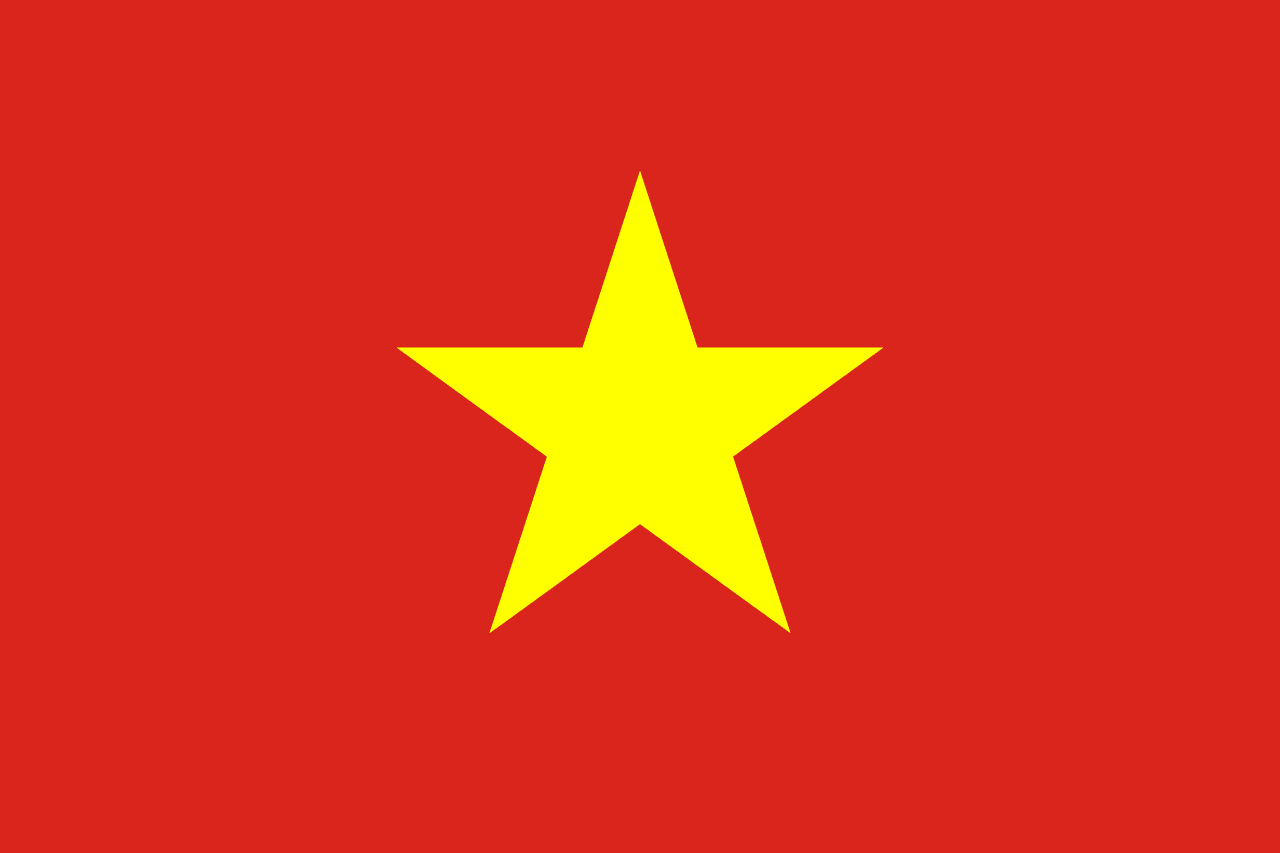
Vietnam is a long, thin country running down the eastern spine of the Indochina Peninsula — 3,200 kilometres from the Chinese border in the north to the Mekong Delta in the south — and that geography creates a travel experience of remarkable variety. Ancient imperial cities, French colonial avenues, rice paddies in limestone valleys, islands of emerald water and coral, war history told from the Vietnamese perspective, and a food culture that many regard as the world's finest at its price point. Vietnam delivers at every level.
Ha Long Bay in the far north is the most visually iconic image in Southeast Asia: 3,000 limestone karst islands rising from green-grey water in formations that look like a painter's creation rather than geological reality. Overnight cruises on traditional wooden junks between the islands, with kayaking into sea caves, swimming in still water and seafood dinners on deck, provide a setting that requires no exaggeration. The bay is genuinely spectacular.
Hanoi, the northern capital, is a city of lakes, French colonial architecture and street food chaos that operates at a pace quite different from the commercial energy of the south. Hoan Kiem Lake and its red-bridged island temple are the city's spiritual centre. The Old Quarter — 36 streets each historically specialising in a different trade — is now tourist-directed but still atmospheric and genuinely navigable on foot. Egg coffee (robusta coffee with a creamy beaten egg yolk foam) and bun cha (grilled pork and cold vermicelli with herbs and broth) are essential Hanoi experiences.
Hoi An is arguably Vietnam's most beautiful town — a lantern-lit trading port preserved from the 17th and 18th centuries, when Dutch, Japanese and Chinese merchants all had their quarters here. The Japanese Covered Bridge, the Assembly Halls built by Chinese merchant communities and the streets of yellow-washed merchant houses form a UNESCO World Heritage Site that is at once genuinely historical and intensely atmospheric. The tailors who produce custom-fitted clothes in 24 hours, the cooking classes using local market ingredients and the beach at An Bang 5 kilometres away all make Hoi An one of the best-value stops in Asia.
Ho Chi Minh City (Saigon) is the commercial capital — noisier, faster and more modern than Hanoi, with French colonial boulevards, the Reunification Palace (preserved exactly as it was in 1975), the War Remnants Museum, and a street food and restaurant scene of enormous quality and variety. The Mekong Delta south of the city — a watery world of floating markets, river tours and fruit orchards — gives context to the agricultural abundance that has always fed the south.
The war — American-called the Vietnam War, Vietnamese-called the American War — is present but not dominant in everyday Vietnamese life. The country moved on with impressive determination, and visitor encounters with this history are honest, instructive and notably free of hostility toward American visitors specifically.
Vietnamese food is a masterclass in flavour balance. Pho (beef or chicken noodle soup with herbs), banh mi (Vietnamese baguette with pate and pickled vegetables), fresh spring rolls, bun bo hue (spicy beef noodle soup), cao lau (Hoi An's distinctive pork noodle dish) and the infinite variations of rice, noodles, herbs and protein combinations represent some of the world's most refined and accessible daily cooking.
Vietnam's infrastructure — trains, buses, budget airlines, reliable internet and affordable accommodation at every level — makes it easy to navigate a long country efficiently. It is a destination where a month feels short.