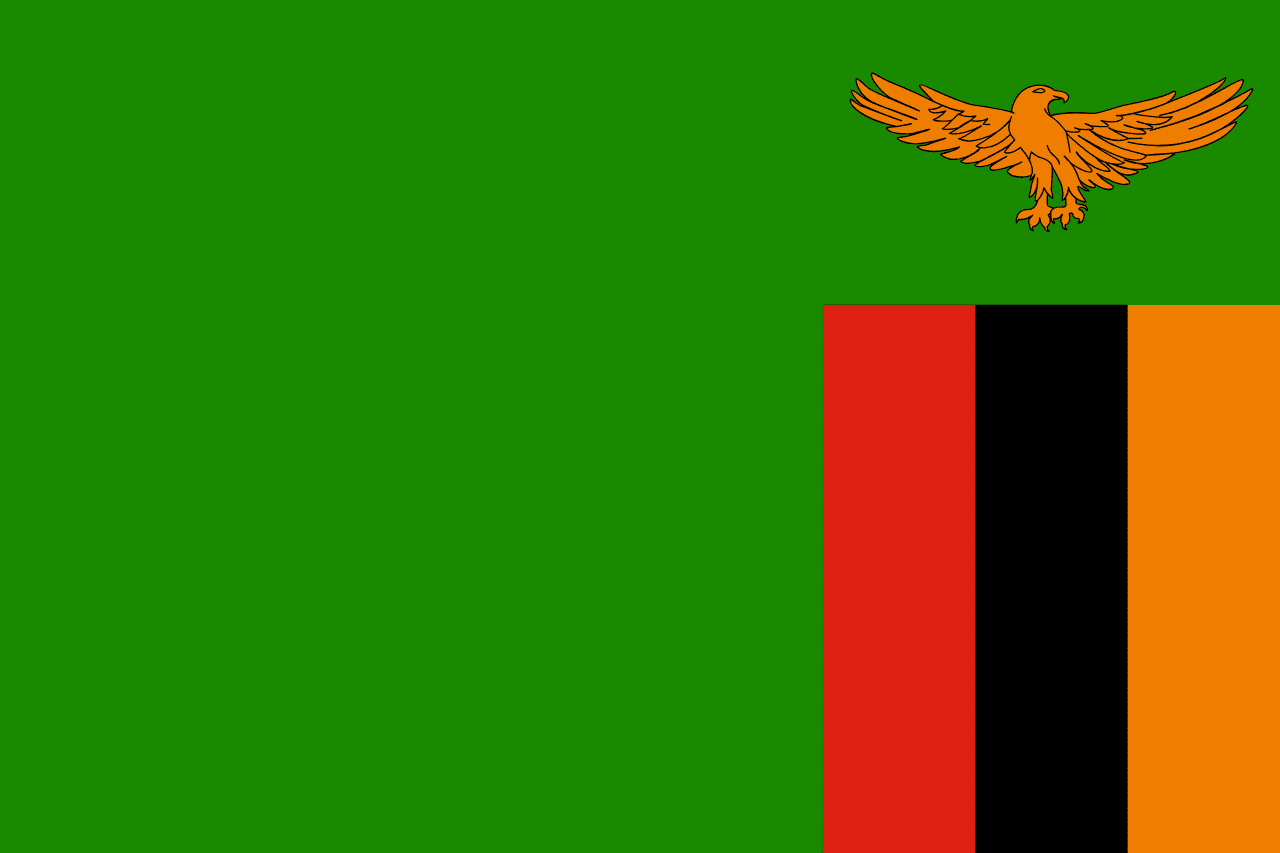
Living in Zambia offers a tapestry of experiences woven from a rich cultural heritage, daily routines, and the warmth of its people. As someone who has spent several years here, I’ve come to appreciate the nuances of life in this beautiful southern African nation. From the vibrant markets to the serene landscapes, Zambia is a place where the rhythms of life unfold in a unique and earnest way.
Daily life in Zambia is often dictated by the sun. The day typically begins early, with the crowing of roosters and the soft glow of dawn illuminating the landscape. Most Zambians rise with the sun, and by 6 a.m., the streets of cities like Lusaka and Ndola are already buzzing with activity. You’ll see vendors setting up their stalls, selling everything from fresh vegetables to handcrafted jewelry. A common phrase you might hear as you pass by is “Muli bwanji?” which means “How are you?” — a warm greeting that often sparks a conversation, even with strangers.
The cost of living in Zambia can vary dramatically depending on where you are. In urban areas, accommodation can take a sizable chunk out of your budget, with a decent one-bedroom apartment in Lusaka ranging from $300 to $600 per month. Utilities, including electricity and water, add another $50 to $100. However, if you venture into the countryside, you might find costs significantly lower, though access to amenities can also be more limited. Groceries are quite affordable, especially if you buy local produce. A dozen eggs might cost around $2, and you can get a kilogram of tomatoes for about $1. In markets, bargaining is part of the experience; haggling over prices is expected, and many locals take pride in their negotiating skills.
Food culture in Zambia is an integral part of daily life. The staple food is nshima, a thick porridge made from maize flour, which is typically eaten with various relishes. A popular dish is nshima served with grilled vegetables, fish, or chicken. When I first tasted nshima, I was struck by how it brought people together; meals are often communal, and sharing food is a cultural norm. Street food is also a major aspect of Zambian life, with vendors selling fried doughnuts, known as "cake," and a spicy sausage called "samosa" that’s a must-try. A plate of street food can be as cheap as $1, making it easy to indulge in Zambian flavors without breaking the bank.
Social customs in Zambia are deeply rooted in respect and communal living. Family is the cornerstone of society, and it’s common for extended families to live together or in close proximity. Children are cherished, and there’s a strong emphasis on upbringing and education. Elders are highly respected, and greetings take time, as you’re expected to ask about the wellbeing of each family member. The social fabric is woven with traditions, such as the importance of ceremonies like weddings and rites of passage, which involve the entire community. It’s not unusual to be invited to partake in a traditional ceremony, and as a foreigner, it’s a delightful way to experience the rich cultural heritage of Zambia.
Work culture in Zambia can be quite different from what many foreigners might expect. The typical workweek runs from Monday to Friday, with most businesses opening around 8 a.m. and closing by 5 p.m. However, punctuality is often viewed with a more relaxed attitude. It’s not uncommon for meetings to start later than scheduled, and conversations often take precedence over strict agendas. “I’ll see you shortly” could mean anywhere from five minutes to an hour! This flexibility can be frustrating at times, but it also fosters a more laid-back atmosphere. Many Zambians enjoy their work and will often engage in light-hearted banter, making the workplace feel more like a community.
When the weekend arrives, Zambians truly come alive. Friday evenings are usually filled with social gatherings, whether at someone’s home or in local bars. Music plays a significant role in weekend life, with numerous bars featuring local artists performing traditional Zambian music, like Kalindula or Zed beats. A night out might cost around $10, including drinks, and you’re likely to find yourself dancing until the early hours. Saturdays often see families heading out to the countryside for picnics or join friends for a braai (barbecue) at home. Sundays are reserved for church for many, with services often overflowing with congregants singing in exuberance. It’s a beautiful sight to see families dressed in their Sunday best, making their way to places of worship.
Weather in Zambia can significantly shape daily life. The country experiences a distinct wet and dry season, influencing everything from agriculture to social activities. The rainy season typically runs from November to April, bringing lush landscapes but also muddy roads that can make travel challenging. I remember getting stuck in a small village during a downpour; the vibrant green of the nearby fields was mesmerizing, but the roads turned into rivers! The dry season, which runs from May to October, is marked by cooler temperatures and clear skies, perfect for outdoor activities and travel to national parks. The weather is a topic of daily discussions, as it can affect farmers’ harvests, people’s plans, and even the availability of fresh produce in markets.
Like any country, living in Zambia comes with its challenges. One of the most pressing issues is the economy; many Zambians face high unemployment rates, particularly among the youth. Infrastructure, while improving, still has a long way to go, with public transport sometimes being unreliable. Power cuts are not uncommon, which can disrupt daily activities and work. Access to healthcare can also be a challenge, especially in rural areas where facilities may be limited. However, the resilience of the people is truly inspiring. Zambians are adept at making the best of their circumstances, and community support often fills the gaps left by the system.
Despite the challenges, life in Zambia is replete with positives. The warmth and friendliness of the people are unparalleled; there’s an undeniable sense of community. It’s common for strangers to offer assistance, whether you’re lost or carrying heavy groceries. The beauty of nature is breathtaking, with stunning landscapes like the Zambezi River and breathtaking national parks filled with wildlife. Moreover, the country’s rich cultural heritage is celebrated, and there’s a sense of pride in traditions and local customs that make daily life vibrant.
Foreigners often find themselves pleasantly surprised by Zambian hospitality and the sense of connection among people. The emphasis on greetings and community can be a refreshing change from more individualistic cultures. Many expats are taken aback by how inclusive Zambians are, inviting them into their homes and lives. The concept of time is another aspect that can catch foreigners off guard; the laid-back approach can lead to a slower pace of life that may initially seem frustrating but ultimately fosters deeper connections.
In conclusion, living in Zambia is an enriching experience filled with warmth, culture, and resilience. The interactions you have, the food you share, and the landscapes you explore create a sense of belonging that is hard to replicate elsewhere. While challenges exist, the positives and the sense of community make daily life here rewarding. For anyone considering a move or visit, be prepared to embrace the rhythm of Zambian life, where every day holds the promise of connection and discovery.