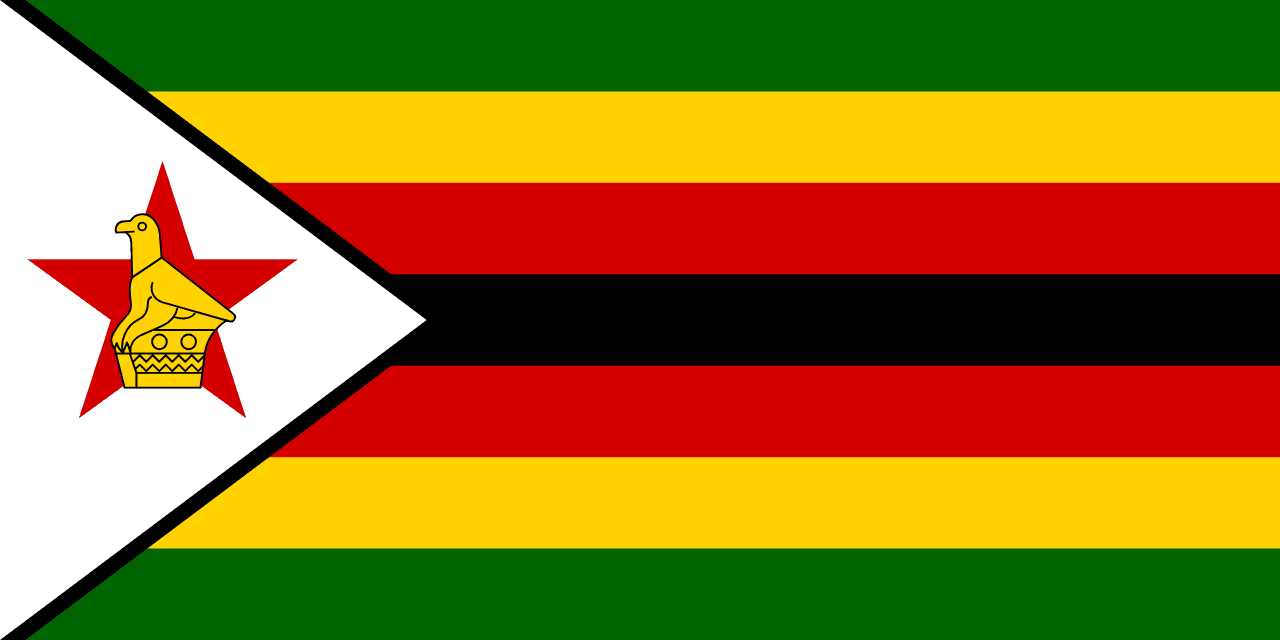
The History of Zimbabwe: From Ancient Times to Today
🌐 Translate:
# The History of Zimbabwe: From Ancient Times to Today
Zimbabwe, a land of breathtaking landscapes and rich cultural heritage, has a history that stretches back thousands of years. This history is woven through the fabric of its people, shaped by civilizations, empires, and colonial influences. From ancient societies to modern independence, the tale of Zimbabwe is one of resilience, innovation, and transformation.
## Ancient and Indigenous History
Long before the advent of written records, the land now known as Zimbabwe was inhabited by various indigenous groups. The San people, known for their rich oral traditions and rock art, roamed the vast landscapes of the region. Their intricate depictions in caves, primarily found in the Matobo Hills, reflect a deep spiritual connection to the land, narrating stories of their existence and the animals they encountered.
As time passed, Bantu-speaking peoples began migrating into Zimbabwe around the first millennium AD. These groups, including the Shona, brought with them advanced agricultural techniques, ironworking skills, and a vibrant cultural heritage. They established small-scale farming communities, which laid the groundwork for what would become a flourishing civilization.
## The Rise of Great Zimbabwe
By the 11th century, a notable transformation was underway. The Shona people had begun to construct the monumental stone structures that would give rise to Great Zimbabwe, a city that would become an epicenter of trade and culture in southeastern Africa. At its zenith, around the 14th century, Great Zimbabwe was a bustling hub with an estimated population of up to 18,000 people.
The architectural marvels of Great Zimbabwe were characterized by their dry-stone construction, showcasing the ingenuity of its builders. The Great Enclosure, characterized by its towering walls and intricate stonework, served as a royal residence and a spiritual center. The city thrived on trade, exchanging gold, ivory, and other goods with distant lands, including China and the Middle East, through established trade routes.
One key figure in this era was the ruler who presided over Great Zimbabwe, who remains shrouded in mystery but is believed to have wielded significant influence. The city itself became synonymous with wealth and power, attracting traders and visitors from afar, which contributed to the spread of Shona culture and influence throughout the region.
## The Decline of Great Zimbabwe and the Rise of Successor States
Great Zimbabwe flourished for several centuries, but by the 15th century, the city began to decline due to a combination of factors, including ecological changes, overpopulation, and shifts in trade routes. As Great Zimbabwe waned, several successor states emerged, notably the Kingdom of Mutapa and the Kingdom of Rozvi.
The Kingdom of Mutapa, founded in the 15th century, rose to prominence through expanded trade networks and military conquests. Its rulers, known as the Mwene Mutapa, controlled vast territories and engaged in trade with Portuguese explorers along the coast. The kingdom's wealth was derived from its control over gold mines and its strategic position in regional trade.
In the 17th century, the Rozvi Empire emerged as a powerful presence, characterized by its military prowess and cultural achievements. The Rozvi were known for their resistance against colonial encroachment and their ability to maintain stability in a rapidly changing landscape. The legendary leader of this empire, King Nyatsimba Mutota, is often celebrated for his military campaigns and diplomatic strategies that helped consolidate power.
## Colonial Encroachment and the Birth of Southern Rhodesia
The arrival of European colonizers in the late 19th century marked a significant turning point in Zimbabwe's history. In 1888, Cecil Rhodes, a prominent British imperialist, obtained mineral rights from local chiefs, paving the way for the establishment of Southern Rhodesia. The British South Africa Company (BSAC) was instrumental in facilitating this colonial enterprise, leading to the systematic appropriation of land and resources.
Rhodes and his company promised prosperity and development, but their actions led to the displacement of indigenous peoples and the imposition of foreign rule. The First Matabele War (1893-1894) saw the British forces clash with the Ndebele, a group descended from the Zulu, who fiercely resisted colonization. The brutal conflict resulted in significant loss of life and the establishment of British control over the region.
The colonial period brought about deep societal changes, including the introduction of Western education and Christianity. While these changes had lasting effects, they also eroded traditional cultures and systems of governance. The imposition of taxes, forced labor, and land dispossession fueled resentment among the local population, sowing the seeds for future resistance.
## The Struggle for Independence
The mid-20th century marked a resurgence of nationalist sentiments in Zimbabwe as the indigenous population increasingly resisted colonial rule. The rise of political movements, such as the Zimbabwe African National Union (ZANU) and the Zimbabwe African People's Union (ZAPU), became pivotal in the struggle for independence. Leaders like Joshua Nkomo and Robert Mugabe emerged as key figures, rallying support among the disenfranchised population.
The liberation struggle escalated in the 1960s and 1970s, culminating in a protracted guerrilla war known as the Rhodesian Bush War. The conflict saw brutal clashes between the colonial government and liberation fighters, leading to widespread suffering and displacement. The war attracted international attention and support for the independence movement, particularly from neighboring countries and global anti-colonial activists.
The turning point came in 1979 when negotiations led to the Lancaster House Agreement, paving the way for democratic elections. In 1980, Zimbabwe finally attained independence, and Robert Mugabe became the country's first prime minister. The euphoria of independence was palpable, as the nation embraced a new era filled with hope and promise.
## Post-Independence Zimbabwe
The early years of independence brought significant changes to Zimbabwe. The government implemented land reforms aimed at redistributing land to the black majority, a promise that resonated deeply with the populace. However, the process was fraught with challenges, marked by disputes over land ownership and inadequate support for newly resettled farmers.
Mugabe’s government initially focused on improving education and healthcare, achieving impressive gains in literacy rates and access to medical services. However, the new leadership also faced criticism for authoritarian tendencies and human rights abuses. Tensions escalated within the ruling party and between ZANU and ZAPU, leading to violent conflicts in the early 1980s, particularly in the Matabeleland region.
The 1990s saw an economic downturn, exacerbated by a combination of drought, mismanagement, and international sanctions. In 2000, the government’s controversial land reform program intensified, leading to the forcible seizure of white-owned farms. This policy sparked widespread chaos in the agricultural sector, resulting in food shortages and economic collapse.
As the 21st century progressed, Zimbabwe grappled with hyperinflation, political instability, and social unrest. The once-thriving nation faced unprecedented challenges, with millions of citizens fleeing to seek a better life abroad. The political landscape became increasingly polarized, with opposition parties and civil society groups pushing for change.
## Zimbabwe Today: A Journey of Resilience
In recent years, Zimbabwe has witnessed a complex interplay of political change and social upheaval. In 2017, after nearly four decades in power, Robert Mugabe was ousted in a military coup, leading to the rise of Emmerson Mnangagwa as president. The transition was met with cautious optimism, as many hoped for reforms and renewed economic stability.
However, the challenges that Zimbabwe faces remain daunting. The economy continues to struggle, grappling with hyperinflation, unemployment, and infrastructure deficits. Political tensions persist, with calls for greater democracy and accountability gaining momentum.
Despite these challenges, the spirit of the Zimbabwean people endures. Grassroots movements, vibrant civil society organizations, and a growing youth population are actively engaged in shaping the country’s future. Cultural heritage and traditions continue to flourish, as Zimbabweans celebrate their identity through art, music, and dance.
The history of Zimbabwe is a testament to the resilience of its people. From its ancient civilizations to the complexities of modern governance, the nation’s story is one of strength, courage, and the relentless pursuit of freedom. As Zimbabwe navigates its path forward, the echoes of its past continue to resonate, reminding us of the enduring spirit that defines this remarkable land.